
US says it can sustain Iran naval blockade indefinitely
Hegseth cites ship rotations as Hormuz crossings fall below monthly average, time becomes the weapon both sides claim to control
Images
 independent.co.uk
 independent.co.uk
US says it can sustain Iran naval blockade indefinitely
US defence secretary Pete Hegseth says the Navy has enough assets to keep up a naval blockade of Iran “indefinitely”, as shipping traffic through the Strait of Hormuz slips below recent averages. Iran’s Revolutionary Guards, for their part, say they can prolong the conflict until President Donald Trump leaves office, framing time itself as a weapon in a confrontation centred on a narrow waterway that carries a large share of global oil and gas trade.
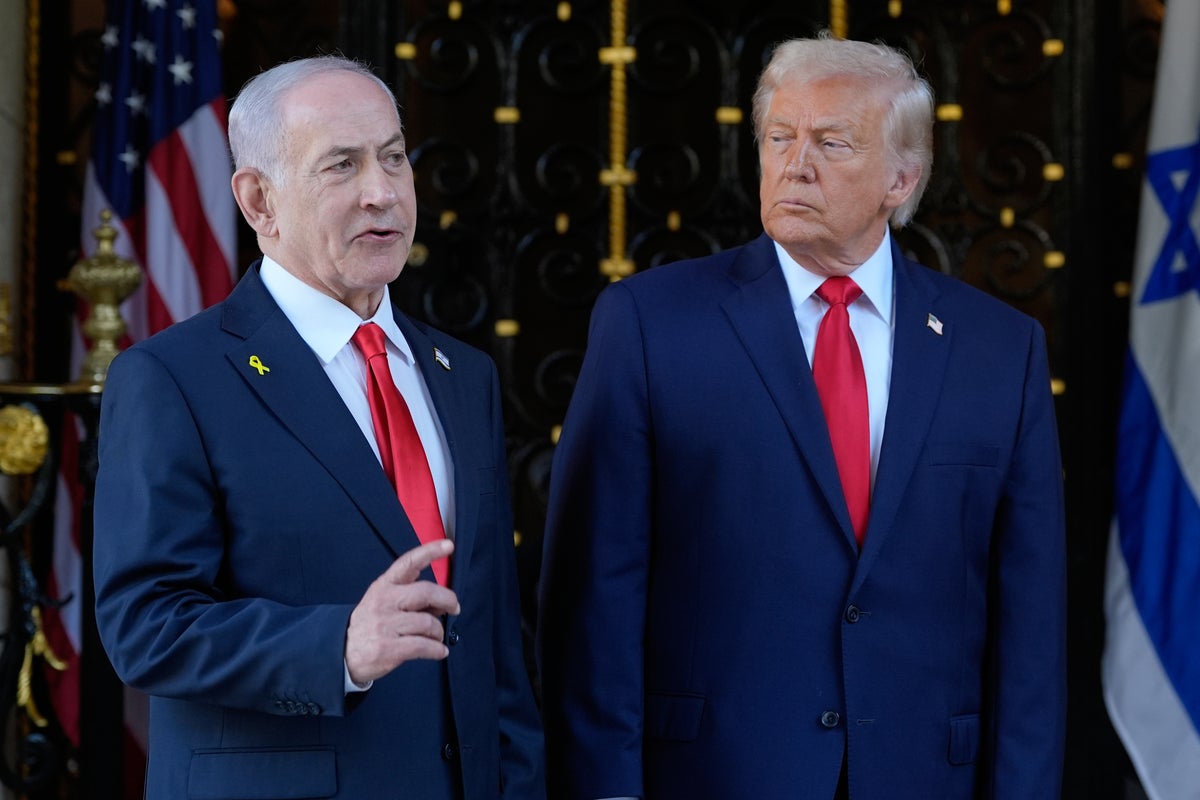
According to The Independent’s live reporting, Hegseth argues the blockade can be maintained by rotating ships in and out, while advising Trump to keep applying economic pressure after ceasefire talks failed. The claim is less about a single tactical move than about endurance: a promise that Washington can hold a chokepoint open—or closed—on its own timetable. Iran answers with its own claim of permanence. Mohammad Reza Naghdi, described as a senior adviser to the Revolutionary Guards commander, says Iran could deliberately extend the war to demonstrate that hostile actions carry a cost for any future US administration.
The immediate market signal is not a dramatic collapse in traffic but a steady thinning. The Independent cites vessel-tracking figures showing commodity transits falling below the month’s daily average, with one day ticking up to nine crossings but still under an August norm of 12. That gap matters because even modest reductions can shift freight rates, insurance premiums and delivery schedules, especially when shipowners must guess whether disruptions are temporary or the start of a new operating environment.
The blockade talk also pulls regional conflicts into the same ledger. The Independent reports clashes with the Houthis in Yemen and Houthi claims of a drone attack on an Aramco refinery in Jazan, while Saudi officials did not immediately comment. The pattern is familiar: when one route becomes contested, the price of moving energy and goods rises across neighbouring routes too, and every actor with drones or missiles gains leverage over someone else’s supply chain.
Meanwhile, the political messaging is being tested inside the US-Israel relationship. The Independent reports that an Israeli warning of a potential Iranian assassination attempt led to a precautionary move to transfer Trump onto a military plane in Ankara using a catering truck, while the CIA assessed the intelligence with “low confidence”. The episode adds a second front to the dispute over Hormuz: not only who controls the waterway, but who controls the information that justifies escalation.
Hegseth’s “indefinitely” is a promise of capacity, not a timetable for an exit. The shipping counts, down from normal but not near zero, suggest the Strait is already being priced as a place where passage depends on politics as much as seamanship.