
Hormuz traffic falls toward three-month low
Trump claims total US control while Iran demands compensation, shipping schedules price the blockade more than speeches
Images
 independent.co.uk
 independent.co.uk
 Getty
Getty
 independent.co.uk
 independent.co.uk
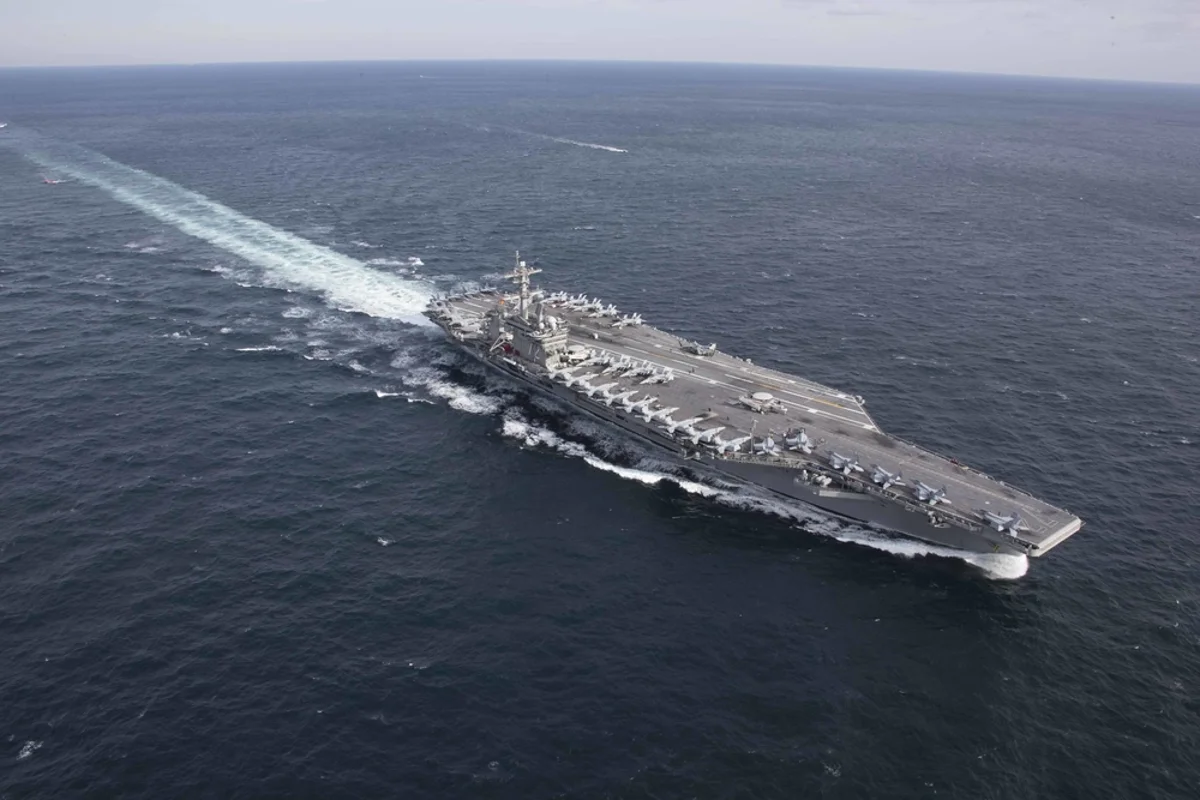
Traffic through the Strait of Hormuz has fallen toward a three-month low as Washington and Tehran trade claims of control and conditions for reopening the waterway, according to The Independent. On Wednesday, US president Donald Trump said the United States has “total control” of the strait and described a naval blockade as “a wall of steel”, while Iran insisted the channel will not return to normal without political concessions and compensation.
The immediate consequence is a pricing problem that no press statement can solve. Hormuz is not just a military chokepoint but a commercial scheduling system: tankers, insurers, charterers and refiners make decisions based on whether a route is reliably open, not on which leader sounds more confident on social media. The Independent reports oil rising to around $90 a barrel during the latest round of claims and denials, a level that feeds into transport and power costs globally even when broader inflation numbers move only slightly. In the US, consumer price growth slowed in July, but The Independent notes prices remain above the pre-war pace and cost increases continue to outstrip wage growth—an arithmetic that turns “contained” energy shocks into household belt-tightening.
Tehran’s position, as described by The Independent, is that reopening is a bargaining chip, not a humanitarian gesture. Iran has effectively closed the strait since February under threat of military action after US and Israeli attacks, and it is now demanding compensation before considering a return to normal passage. Oman appears in the reporting as a potential mechanism for a managed reopening, with discussions of joint management—language that sounds like de-escalation but also resembles a tollbooth model where passage becomes conditional on politics. Once one chokepoint is treated as an asset to be administered, the template is portable to other narrow corridors where shipping has few alternatives.
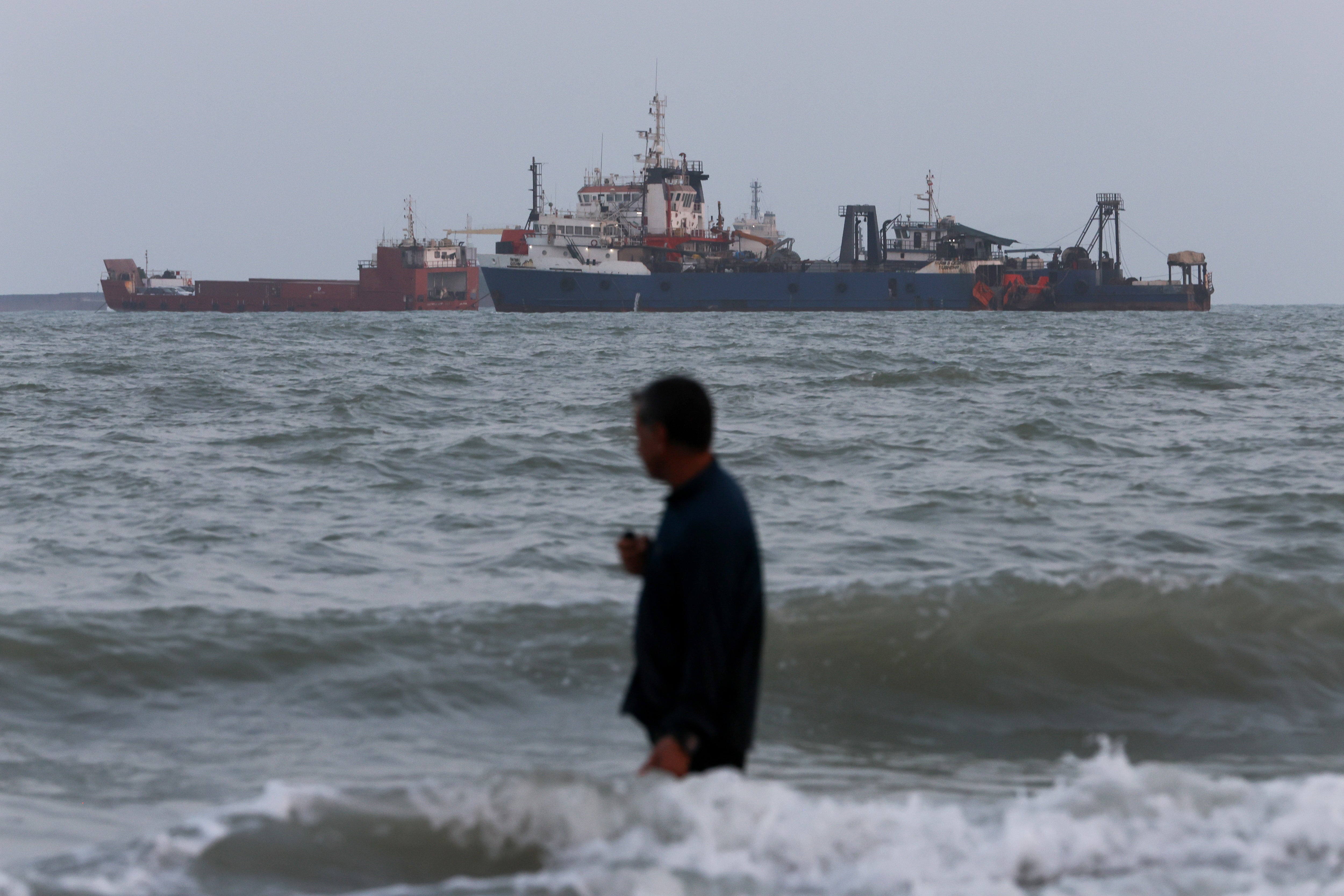
The same story thread contains a second, slower-moving disruption: an oil spill off Oman that satellite imagery suggests has spread across a vast area. The Independent reports the spill originated from the tanker Caroline Bezengi, carrying Russian crude and under international sanctions, after it ran aground on an Omani island that forms part of a marine nature reserve. Maritime sources cited by the paper said a blast appeared to have occurred aboard the ship, with no claim of responsibility. Even without a definitive culprit, the sequence is familiar in a region where energy flows, sanctions enforcement and covert action overlap: accidents become strategic events, and cleanup capacity competes with security priorities.
Trump can call Hormuz a “wall of steel” and Iran can demand compensation, but the shipping logs tell the story. As traffic slows and a sanctioned tanker’s spill reaches Oman’s mainland, the Gulf’s energy corridor is being managed less like a public waterway and more like contested infrastructure.