
Air India captain tests positive for cannabis after Phuket to Delhi mid-air plunge
Investigators examine both pilot conduct and aircraft faults, India orders review of drug-testing rules after injuries
Images
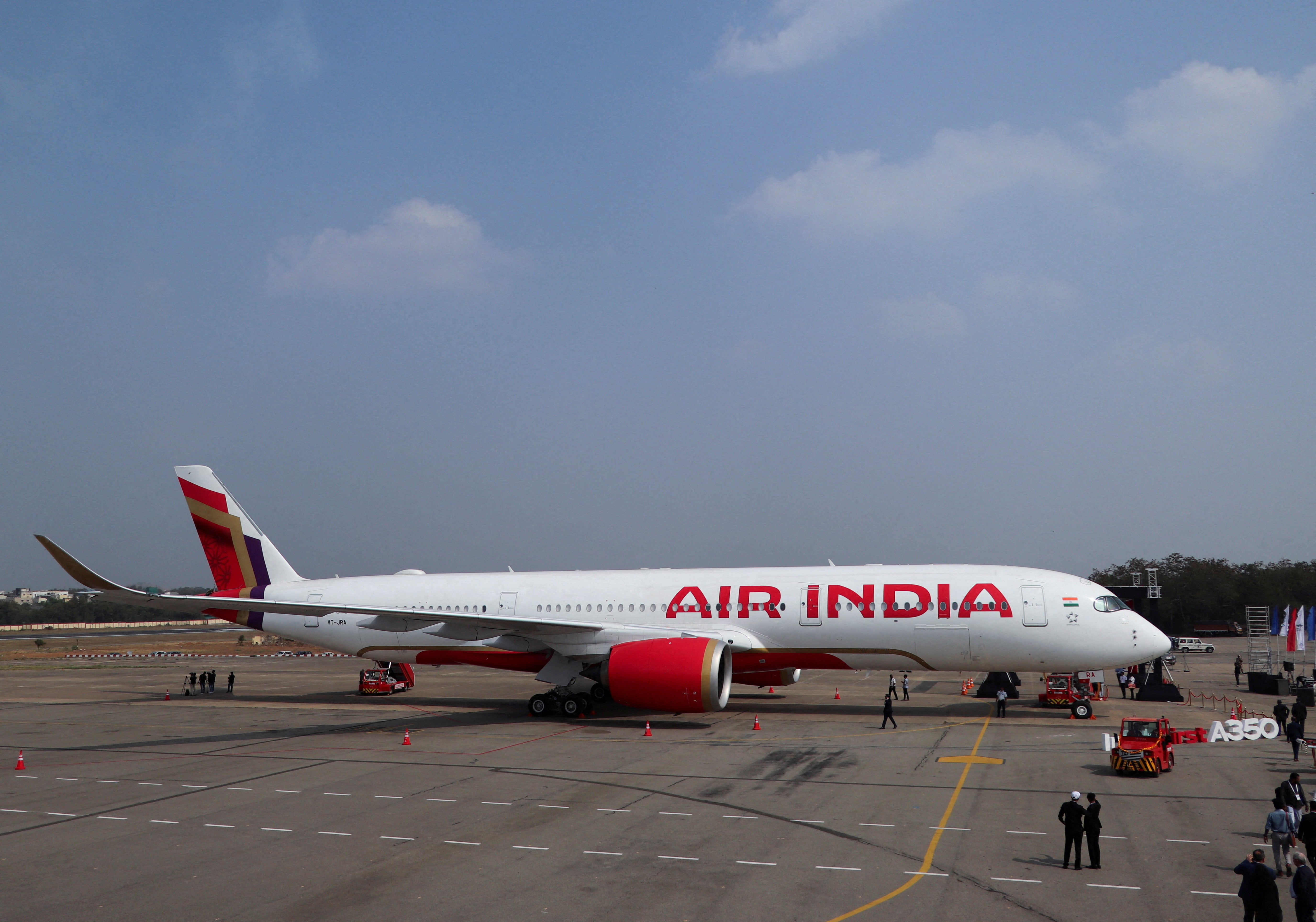 Air India has been hit by series of safety-related investigations since the Ahmedabad crash (Reuters)
Reuters
Air India has been hit by series of safety-related investigations since the Ahmedabad crash (Reuters)
Reuters
 Inside Singhbhum Elephant Reserve: The Vast Jharkhand Landscape Protecting India's Elephants
timesnownews.com
Inside Singhbhum Elephant Reserve: The Vast Jharkhand Landscape Protecting India's Elephants
timesnownews.com
A captain on an Air India flight from Phuket to Delhi tested positive for cannabis after a mid-air incident in which the aircraft suddenly lost altitude by about 300 feet, injuring at least 24 passengers, according to The Independent. The flight later landed safely, but cabin crew filed a complaint alleging the captain was not fully in control of himself during the episode. India’s aviation ministry said the Aircraft Accident Investigation Bureau is collecting technical, operational, medical and “human-factor” evidence, including maintenance records and interviews.
The internal flight-safety account described by The Independent places the most dramatic moment in a narrow window: an alert sounded, the autopilot disengaged and the aircraft’s nose pitched up, with the co-pilot flying at the time. The co-pilot’s response to a stall warning—pushing the nose down—produced a sharp negative-G excursion that sent loose items, and both pilots, upward in the cockpit. The report says the captain was standing behind the co-pilot’s seat discussing the aircraft’s air-conditioning system when the alert occurred, and only took control after strapping in as the aircraft was still descending.
That sequence matters because the incident is now being investigated on two tracks at once. Alongside the captain’s confirmed drug test, investigators are also examining possible aircraft-system problems, with engineering logs showing low-pressure indications in hydraulic systems and recorded fault indications around the autopilot and elevator, according to The Independent. If a safety event can plausibly be read as either human impairment or mechanical failure, institutions tend to fight over which category it belongs in—because one path leads to disciplinary action and the other to expensive maintenance scrutiny, supplier questions and regulator attention.
Times Now reports that the Directorate General of Civil Aviation has been ordered to review the pilot drug-testing framework following the positive result, including studying protocols in other countries. The review itself points to a basic vulnerability: a testing regime that only tightens after a headline incident invites airlines and crews to treat compliance as episodic rather than routine, and it encourages disputes over procedure when the first test requires “confirmatory” follow-up.
Air India has been facing a series of safety-related investigations and has been under pressure since a Boeing 787 crash in 2025 that killed 260 people, The Independent notes. In that context, a single cockpit event becomes a proxy battle over whether India’s aviation system is improving through oversight—or merely accumulating investigations.
The captain’s second test confirmed cannabis use, according to The Independent. The regulator has now been told to revisit the rules that decide when, and how, such confirmations happen.