
Romania destroys drifting drones near Neptun Deep gas project
Defence minister says divers handled two devices in Black Sea exclusive economic zone, border states absorb the war as infrastructure risk
Images
 independent.co.uk
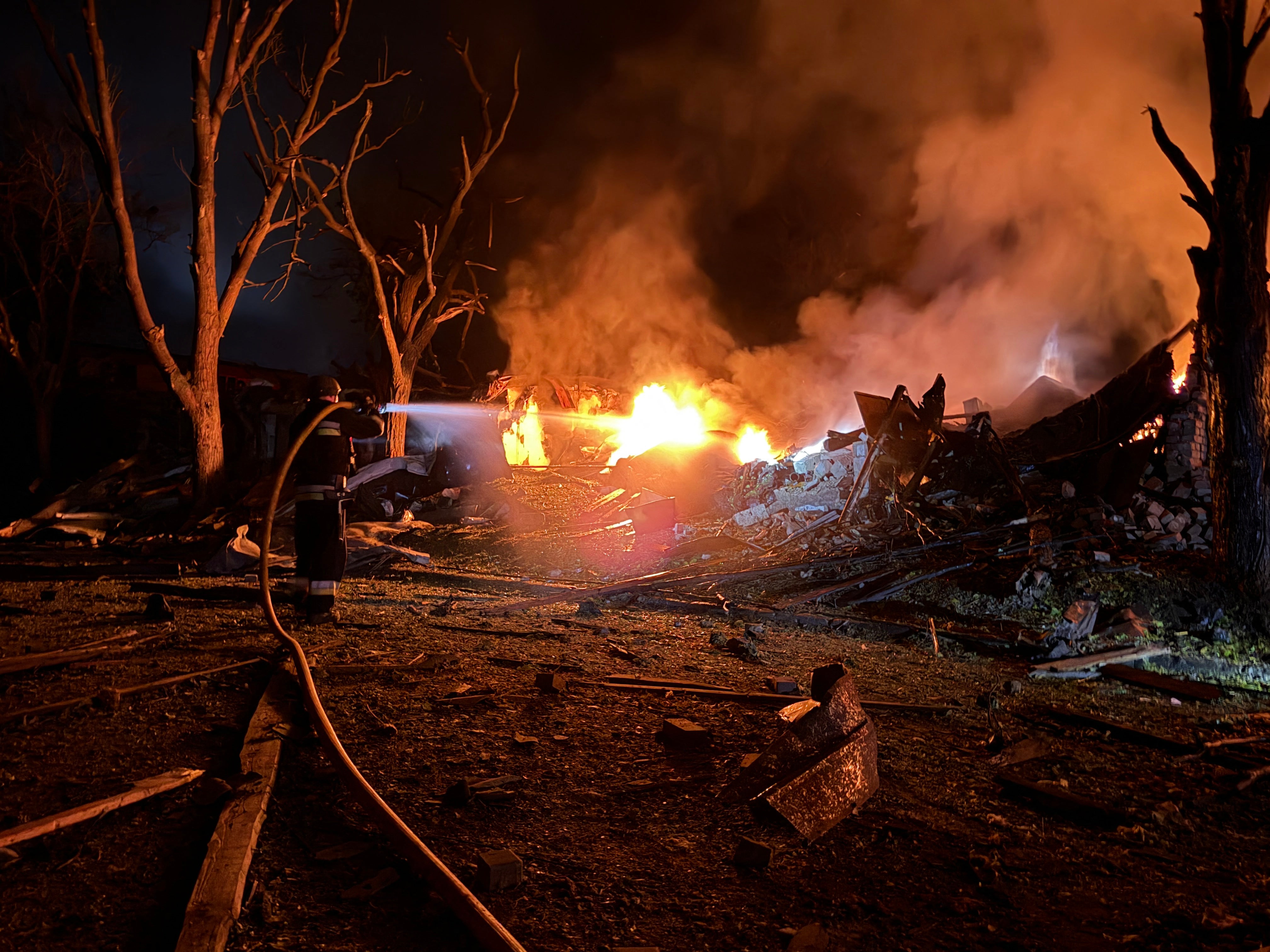 (AFP/Getty)
AFP/Getty
(AFP/Getty)
AFP/Getty
Romania destroys drifting drones near offshore gas project as Black Sea spillovers continue, defence minister says divers dealt with two devices in the exclusive economic zone, border states price the war in patrols and interruptions
Romanian military divers destroyed two drones found drifting in the country’s Black Sea exclusive economic zone near the offshore gas project Neptun Deep, Romania’s defence minister Radu Miruta said on Tuesday, according to The Independent’s live coverage of the Ukraine war. The episode follows repeated reports over the past four years of Russian drones breaching Romanian airspace and sea mines drifting across Black Sea trade routes.
The immediate facts are small—two devices, handled at sea—but they sit inside a pattern in which front-line and near-front-line EU states are forced to treat “incidents” as routine maintenance. When drones and mines travel, the cost does not stay with the country that launched them. It shows up as extra patrols, divers and explosive-ordnance work, temporary closures, and a permanent layer of uncertainty around shipping lanes and energy infrastructure.
Neptun Deep is not a symbolic target: it is a commercial offshore gas project, the kind of asset that depends on predictable maritime conditions and uninterrupted logistics. As Europe tries to secure energy supply while the war drags on, the Black Sea becomes both a corridor and a hazard zone. A single drifting device can trigger safety stand-downs, inspections and political pressure to “do something,” even when attribution is unclear and the practical job is simply to remove the object.
The same Independent report notes that in July Romanian F-16 pilots shot down three drones. That detail underlines how quickly an air-defence posture becomes part of daily governance for countries that share borders with Ukraine or sit on the Black Sea. Interceptors, flight hours and radar coverage are not abstract deterrence; they are consumables. Each interception uses scarce equipment and trained personnel, and it competes with other defence and civil-security tasks.
Romania shares a long land border with Ukraine, and the Black Sea has become a place where military spillover meets commercial exposure. The divers’ operation was a tidy ending to an untidy problem: objects arriving from a war zone into a country that is not formally at war, near a project meant to keep homes heated and industries running.
Miruta’s statement described two drones drifting near Neptun Deep. Romania’s response was to send divers into the water and destroy them.