
ICE seeks electric shock gloves for officers
DHS notice outlines up to $20 million purchase, civil immigration enforcement adds a pain compliance tool
Images
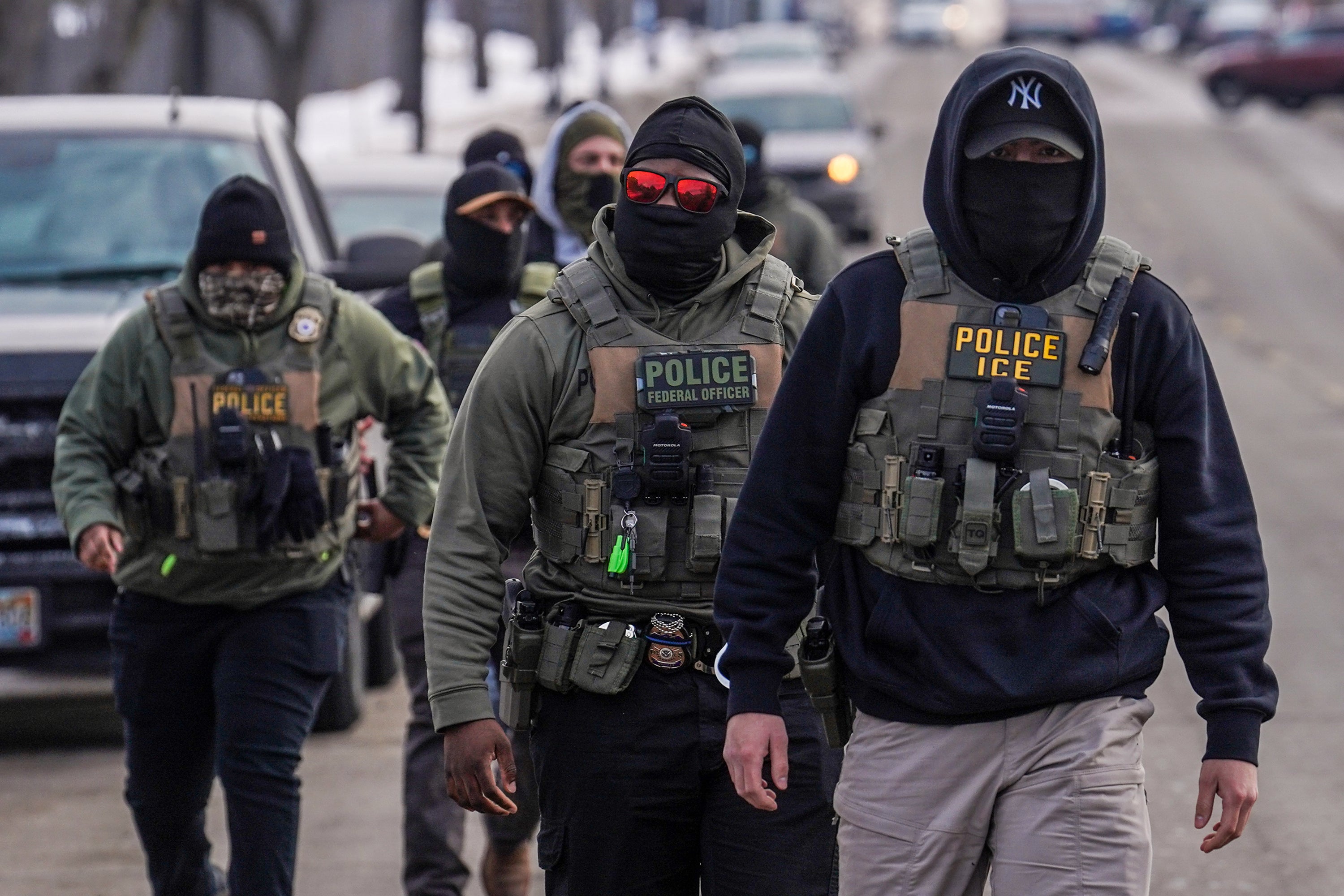 Compliant Technologies says the devices function as a normal pair of patrol gloves until officers press a switch to activate their electrical mode (AP Photo/Ryan Murphy)
Ryan Murphy)
Compliant Technologies says the devices function as a normal pair of patrol gloves until officers press a switch to activate their electrical mode (AP Photo/Ryan Murphy)
Ryan Murphy)
US Immigration and Customs Enforcement plans to spend up to $20 million on thousands of specialised gloves designed to deliver painful electric shocks, according to reporting cited by The Independent. The Department of Homeland Security published a notice describing the purchase of the G.L.O.V.E. device — short for Generated Low Output Voltage Emitter — with acquisition targeted by March.
The gloves are marketed as ordinary patrol gloves until an officer activates an electrical mode using a switch. The shock is delivered only by direct contact with a person’s skin and is intended to create a pain stimulus that compels compliance within seconds. The Independent reports that the manufacturer, Compliant Technologies, has sold the devices to some police departments and jails in recent years, and that a no-bid contract solicitation could be published soon.
The procurement highlights a recurring feature of US immigration enforcement: it is legally classed as “civil” while operationally resembling criminal arrest work, including coercive tools and the institutional logic of officer safety. Supporters cited in the report argue the devices are generally used in controlled settings such as jails and transport, and one researcher studying the product described the shock as immediate and sharp, comparable to a bee sting. He suggested the gloves could shorten confrontations and help smaller, weaker or older officers control combative subjects, including during removals from cars, houses or detention facilities.
But the device’s design also changes the visibility of force. Unlike batons or conducted-energy weapons that are clearly deployed as separate tools, a glove can be worn continuously and used at close range, with little warning to the person being handled. The Independent quotes an American Civil Liberties Union representative questioning why civil immigration enforcement needs such a capability and expressing low confidence it would be used appropriately, pointing to concerns that pain can be administered quickly and covertly.
The manufacturer’s own warnings draw a line between compliance and punishment: it says the gloves should not be used as punishment, against people showing only verbal defiance, or on higher-risk populations such as children, pregnant women, the elderly or people with disabilities. That leaves the practical question of how ICE will define “combative” in fast-moving encounters, and what documentation and review will follow when the tool is used.
DHS did not immediately provide detailed public comment in response to questions, The Independent reports. The agency’s plan is now visible in a procurement notice, before any public accounting of how often the shocks would be used or how many complaints they might generate.
ICE’s next step is not a policy speech but a contract file, and the enforcement boundary will be drawn by whatever ends up in the training manual.