
Trump administration bars Medicaid funding for transgender youth care
Rule also blocks CHIP coverage for under-19s, federal reimbursement becomes the policy lever
Images
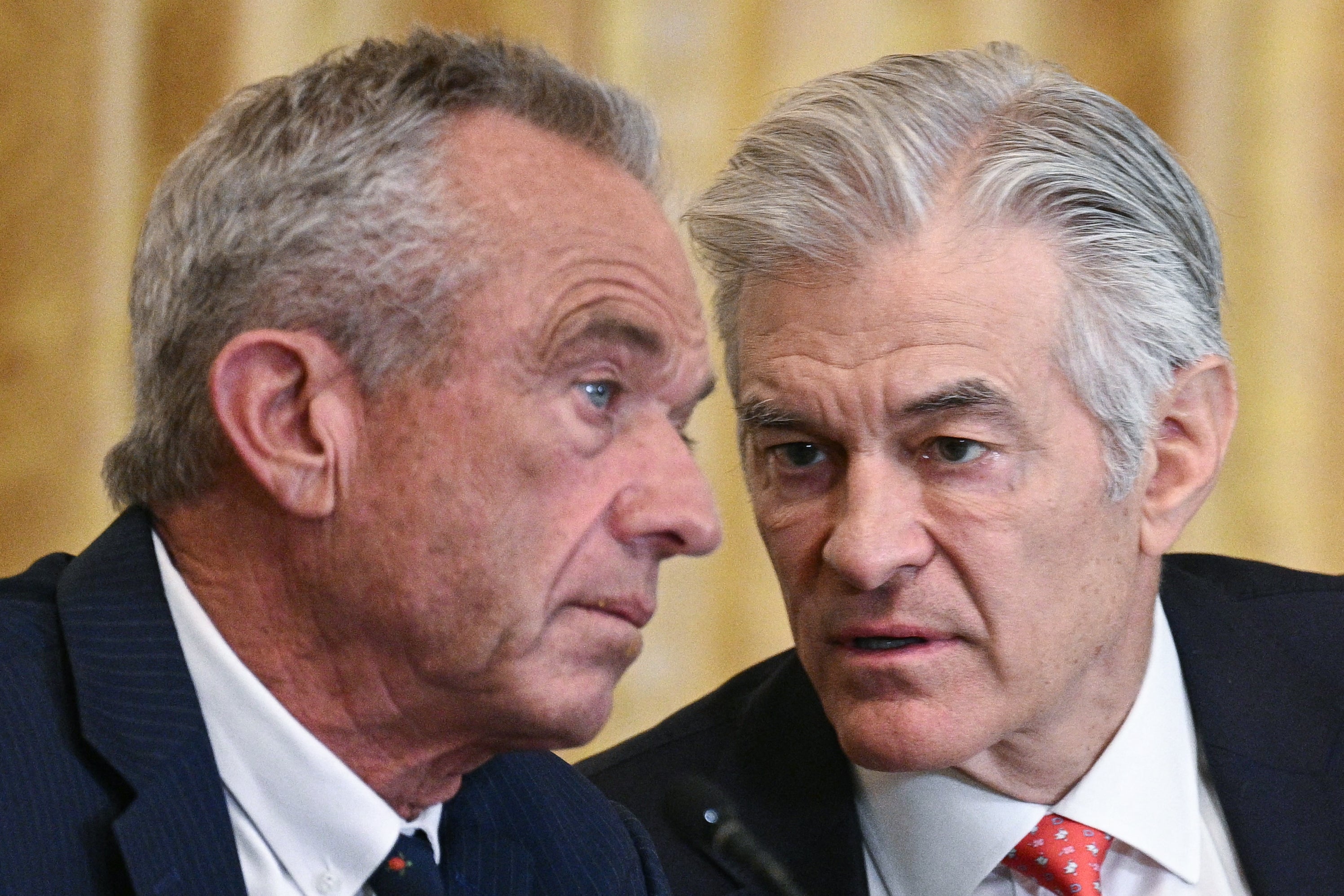 In a move supported by Health Secretary Robert F. Kennedy Jr. and Medicaid chief Mehmet Oz, Donald Trump’s administration is blocking two federal health insurance programs that serve low-income Americans from funding gender-affirming healthcare for transgender youth (AFP/Getty)
AFP/Getty
In a move supported by Health Secretary Robert F. Kennedy Jr. and Medicaid chief Mehmet Oz, Donald Trump’s administration is blocking two federal health insurance programs that serve low-income Americans from funding gender-affirming healthcare for transgender youth (AFP/Getty)
AFP/Getty
 The Trump administration has implemented a government-wide effort targeting trans Americans, from limiting access to affirming healthcare coverage to seeking to remove them from the military (AFP/Getty)
AFP/Getty
The Trump administration has implemented a government-wide effort targeting trans Americans, from limiting access to affirming healthcare coverage to seeking to remove them from the military (AFP/Getty)
AFP/Getty
The Trump administration has issued a rule barring Medicaid from paying for gender-affirming medical care for transgender minors, and blocking the Children’s Health Insurance Program from covering such care for people under 19. According to The Independent, the rule targets pharmaceutical interventions such as hormone treatments and also bars coverage for gender-affirming surgeries for minors, while leaving mental health services covered.
The change shifts a politically volatile dispute into the mechanics of federal reimbursement. Medicaid and CHIP are large payers for pediatric care, so a coverage exclusion can function as a nationwide constraint even where state governments, clinicians and families would otherwise choose different paths. The administration framed the move as a taxpayer-funded spending decision: President Donald Trump announced the change on Truth Social, while Health Secretary Robert F. Kennedy Jr. and Medicaid chief Mehmet Oz backed the rule in language focused on protecting children and avoiding what they described as experimental interventions.
Opponents argue the rule does not merely decline to subsidize a contested treatment category but actively blocks access for families whose options are already shaped by insurance design. The Independent cites LGBTQ+ groups saying the federal government is inserting itself between parents and medical decisions, and predicting legal challenges. The dispute also exposes how “medical consensus” is operationalised in policy: major US medical organisations, including the American Academy of Pediatrics and the American Medical Association, support gender-affirming care as clinically appropriate for youth experiencing gender dysphoria, but federal agencies can still set payment rules that overrule that guidance for publicly financed coverage.
The second-order effects are likely to concentrate in poorer households and in states where Medicaid is a primary route to specialist care. Providers who treat Medicaid patients may face narrower service menus, while families with private insurance or the ability to pay out of pocket retain more practical freedom. Even if surgeries for minors are described as rare, the rule’s inclusion of hormone treatments makes the coverage question broader than a single procedure and ties the controversy to routine insurer gatekeeping.
The administration’s supporters present the rule as a boundary on federal involvement; critics describe it as a federal mandate in the opposite direction. The immediate battleground is not a clinic but a billing code, and the next phase is likely to be fought in court filings over what Medicaid must be allowed to pay for.
Medicaid will still cover mental health services for transgender youth. For everything else covered by the new exclusion, the federal government has decided that the most decisive medical opinion is the one that controls the reimbursement.