
US military strikes Panama-flagged cargo ship near Iran
CENTCOM says vessel tried to run reinforced blockade east of Strait of Hormuz, commercial shipping absorbs ceasefire whiplash in fuel pricing
Images
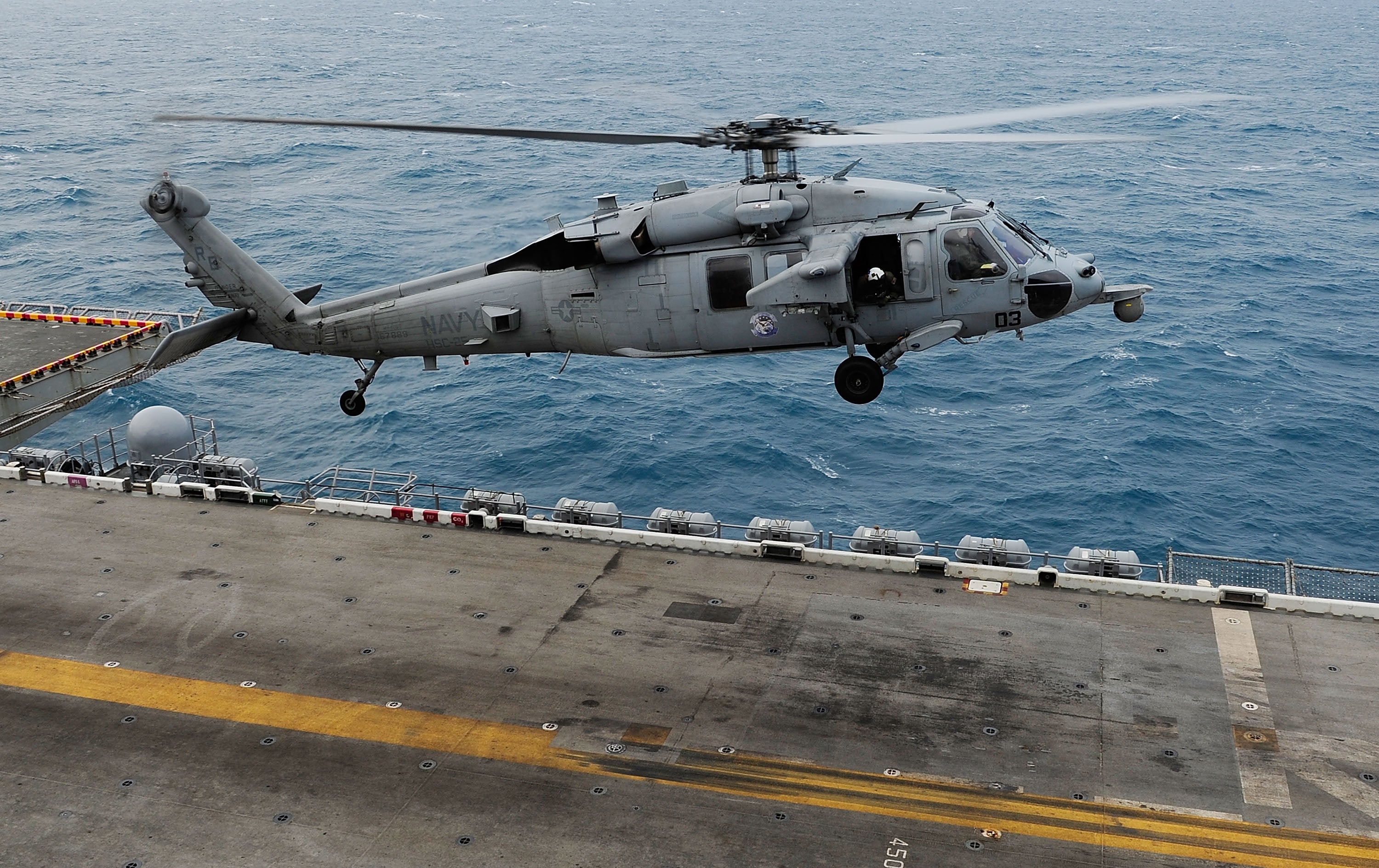 An MH-60 helicopter (Getty)
Getty
An MH-60 helicopter (Getty)
Getty
US forces fired two Hellfire missiles at a Panama-flagged cargo ship this week after it allegedly ignored orders to stop while heading toward Iran, according to The Independent, citing US Central Command. CENTCOM said an MH-60 helicopter struck the vessel’s engine room, disabling its steering, and that the ship is no longer transiting to Iran in violation of a US naval blockade. The military did not say whether any crew members were wounded.
The incident sits inside a broader attempt to police a choke point economy. The Independent reports the United States imposed a blockade on Iranian ports and coastal areas east of the Strait of Hormuz in April, lifted it in June after an interim ceasefire deal, then reinforced it again in mid-July. As of August 11, CENTCOM says it has redirected dozens of commercial vessels attempting to run the blockade, disabled several that did not comply, and boarded others. Each of those actions changes the risk calculation for shipowners and insurers, and in turn for refiners and importers who buy oil and fuel priced off expectations of uninterrupted passage.
That feedback loop matters because Hormuz is not a symbolic line on a map; it is a physical bottleneck for energy flows. The Independent describes how the waterway’s disruption has already driven up fuel and food prices, and how Tehran has used demands for transit “permission” and threats of future charges to keep leverage even when the strait is nominally open. The US and other countries dispute Iran’s claim to control the channel, pointing to freedom of navigation under international law, but freight markets tend to price the nearest credible threat, not the best legal argument.
For European economies, the costs arrive as imported inflation and tighter financial conditions rather than as headlines about naval operations. A blockade regime that has to be enforced ship by ship creates uncertainty that is hard to hedge: cargoes reroute, delivery times stretch, and the premium for guaranteed supply migrates into everything from diesel to food logistics. The Independent’s account also underscores how quickly a ceasefire arrangement can be reversed into enforcement again, leaving commercial actors to absorb the stop-start policy risk.
CENTCOM says the ship has been stopped from reaching Iran. The steering gear was disabled, the blockade remains in effect, and the next commercial captain approaching Hormuz must decide how much a warning call is worth.