
Luigi Mangione murder trial gets anonymous jury
New York judge offers overflow courtroom as case draws crowds, transparency narrows as protection expands
Images
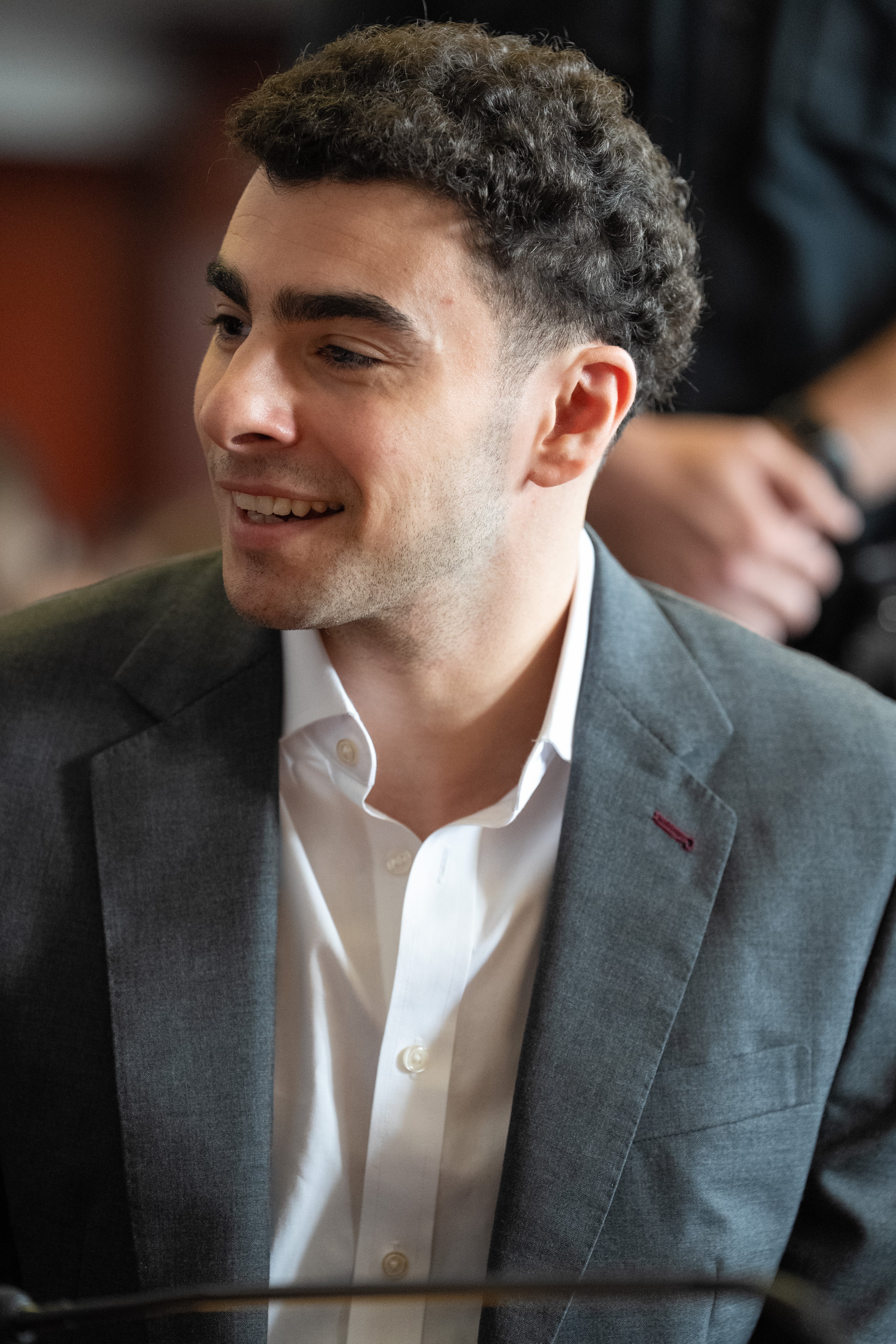 Luigi Mangione at a pre-trial hearing at Manhattan Criminal Court in New York, on Tuesday, Aug. 11, 2026 (Barry Williams/The Daily News via AP)
Barry Williams/The Daily News via AP
Luigi Mangione at a pre-trial hearing at Manhattan Criminal Court in New York, on Tuesday, Aug. 11, 2026 (Barry Williams/The Daily News via AP)
Barry Williams/The Daily News via AP
New York state judge Gregory Carro has ordered an anonymous jury for the upcoming murder trial of Luigi Mangione, the man accused of shooting a health insurance executive on a Manhattan sidewalk. According to The Independent, the decision was announced at a pre-trial hearing in Manhattan Criminal Court on Tuesday, alongside a plan to open an overflow courtroom if public and press demand exceeds capacity.
Mangione, 28, has pleaded not guilty to murder, weapons and forgery charges brought by Manhattan District Attorney Alvin Bragg. Prosecutors say they will rely on an unusually thick evidentiary record for a street killing that became a national spectacle: hundreds of hours of surveillance video, fingerprints, DNA evidence, a cellphone, a gun they say matches ballistics, and a notebook they allege expressed hatred of insurers and a desire to kill. Graphic footage, a five-day manhunt and Mangione’s arrest in Pennsylvania turned the case into a social media obsession, with the victim’s role in the health insurance business pulling the crime into a broader argument about the industry.
Anonymous juries are available in US courts but remain exceptional, typically reserved for cases where jurors are thought to face intimidation, harassment, or sustained public pressure. Carro did not explain his reasoning, The Independent reports, leaving the court to manage the optics of secrecy without a stated threat assessment. The move also shifts practical power toward the state: when jurors are shielded from public scrutiny, the courtroom becomes one of the few places where the selection process can be observed, and even then only through the narrow channel of what the judge allows in open proceedings.
The decision comes as judges and court administrators across the US increasingly treat viral attention as a security risk rather than a transparency problem. High-profile defendants now arrive with online audiences ready to identify, contact, and campaign against witnesses, lawyers and jurors in real time. Courts respond with buffer rooms, restricted access and identity protections—measures that can reduce the immediate risk of harassment while also making it harder for outsiders to check whether a jury pool was assembled fairly, or whether media saturation is being handled evenly for both sides.
Jury selection is expected to begin on September 8, and Carro has already prepared for a crowded courthouse by authorizing an overflow room. The identities of the people asked to decide the case will not be among the details made easier to see.