
Lebanon abolishes death penalty after parliament vote
Unofficial moratorium since 2004 becomes statute, life sentences meet overcrowded prisons and an amnesty fight
Images
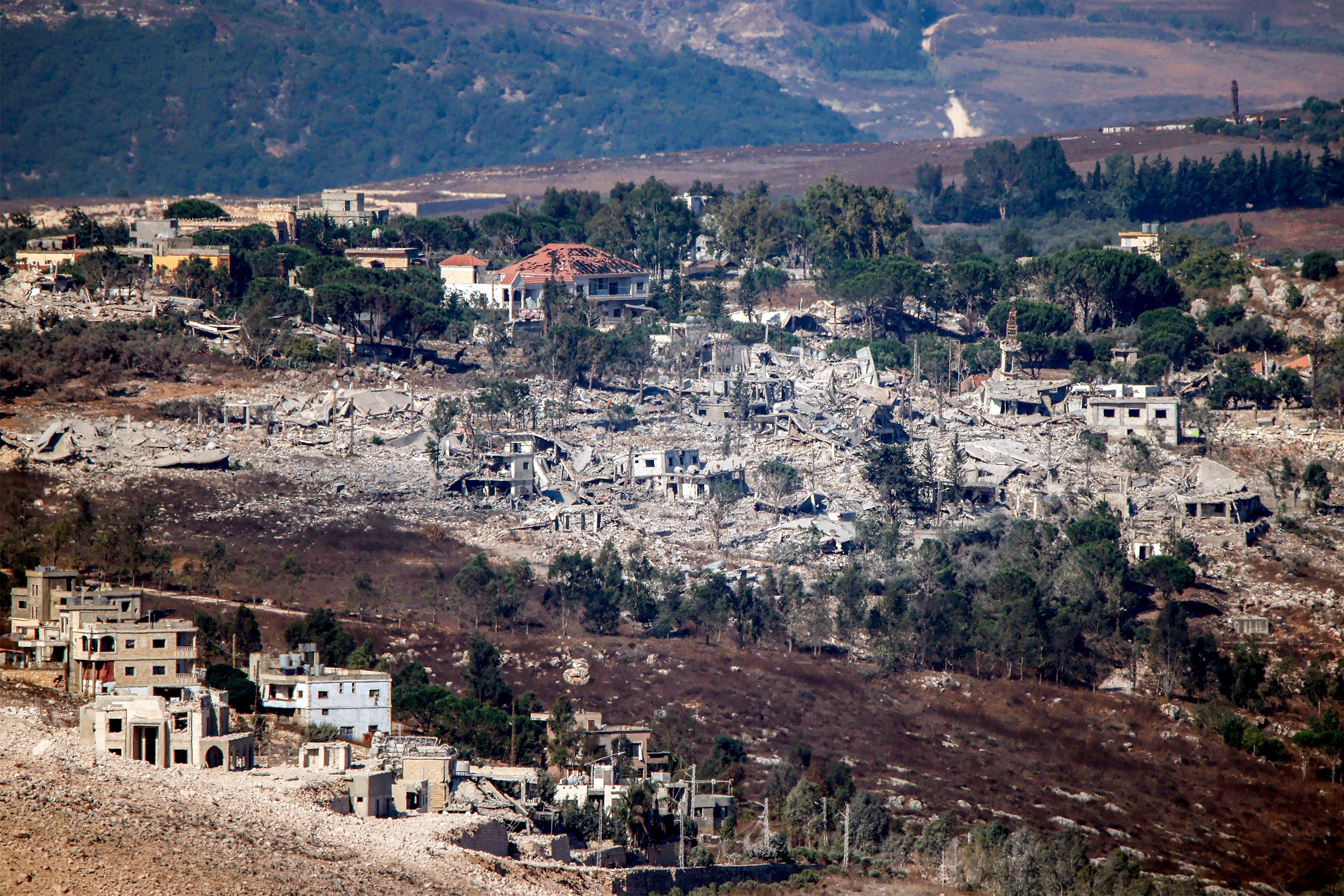 The vote comes amid the ongoing conflict in the Middle East (AFP/Getty)
AFP/Getty
The vote comes amid the ongoing conflict in the Middle East (AFP/Getty)
AFP/Getty
Lebanon’s parliament voted on Tuesday to abolish the death penalty, replacing it with life imprisonment alongside what the text describes as aggravated hard labour. The Independent reports the country has not carried out executions since January 2004, but courts have continued to hand down death sentences that were later suspended or commuted.
In practice, the vote formalises a gap that had already opened between sentencing and enforcement. A moratorium can be reversed quietly by a future cabinet or justice minister; rewriting the statute book is harder, and it forces the state to confront what punishment looks like when it cannot outsource finality to a hangman. Lawmakers acknowledged, according to the Independent, that the parameters of the new penalty are not yet fully defined, including how “hard labour” would be applied.
That ambiguity matters because Lebanon’s prisons are already strained. The Independent notes that hard labour exists in Lebanese legislation and judicial rulings but has rarely been applied recently, citing lack of state resources and severe overcrowding. Swapping a sentence that is politically easy to pronounce for one that requires decades of custody, staffing, and space shifts costs onto an administration that has struggled to provide basic public services. It also shifts leverage: a death sentence can be traded away in backroom deals, while a life sentence creates a long-term burden that can later be reduced through amnesties and early-release mechanisms.
The parliamentary arithmetic also hints at how criminal justice is used as a proxy battlefield. The Independent says Hezbollah’s bloc opposed the measure, while campaigners and human rights groups celebrated it. At the same time, parliament is debating what the paper calls a controversial general amnesty law, described as the largest since the end of the civil war in 1990. Relatives of Lebanese soldiers and servicemen killed or attacked by Islamist militant groups have protested against the amnesty bill, arguing that perpetrators should face execution rather than lighter terms.
The abolition vote landed amid a wider regional conflict that, the Independent writes, was triggered by US and Israeli strikes on Iran in late February. In that setting, Lebanon’s legislators chose to narrow the state’s most irreversible power at the very moment security politics is expanding elsewhere.
Lebanon had not executed anyone for more than two decades; on Tuesday, parliament moved the country’s laws closer to what its prisons can actually enforce.