
Colombia earthquake kills at least 224 people
El País reports quake strongest since 1979 and dozens of aftershocks, new president declares national disaster before agencies are fully staffed
Images
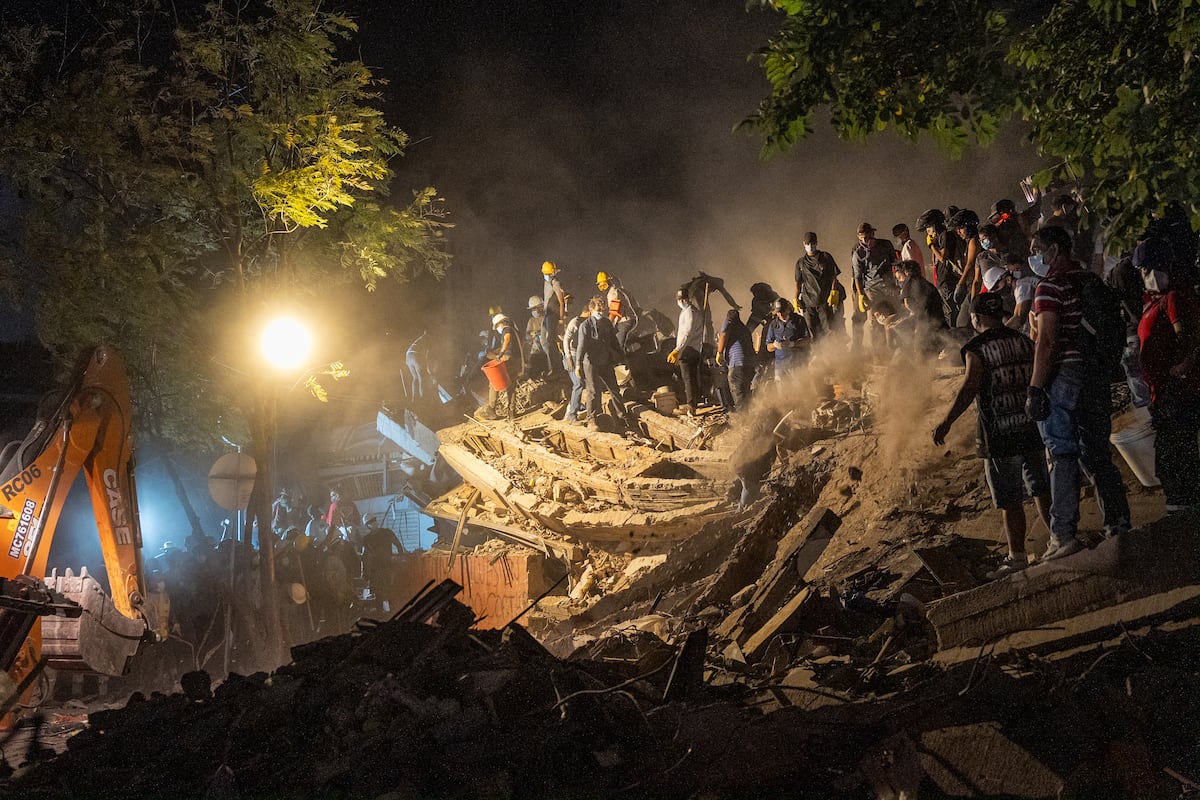 Colombia wakes up under a state of emergency after earthquake kills more than 200
english.elpais.com
Colombia wakes up under a state of emergency after earthquake kills more than 200
english.elpais.com
A magnitude-7.4 earthquake that lasted about four minutes killed at least 224 people in western Colombia, according to figures cited by El País from the Colombian Association of Capital Cities, prompting the government to declare a national disaster. The quake, the strongest in Colombia since 1979, was felt as far as Panama and Ecuador, and was followed by dozens of aftershocks, Colombia’s geological service said. Rescue teams were still searching through rubble in several cities as authorities warned the casualty and damage totals were preliminary.
The geography of the damage matters because it hits multiple administrative systems at once. El País reports that Pereira, in Colombia’s coffee-growing region, accounts for a large share of the deaths, while Cali—Colombia’s third-largest city—was badly affected, with collapsed buildings and disruption to services. Quibdó, the capital of Chocó near the reported epicentre, was among the worst-hit locations, while Manizales and Armenia also reported collapses, closed airports and intermittent utilities. In Cali, officials imposed a curfew and militarised several areas to support rescue operations, a sign that disaster response is being treated as both a logistics problem and a public-order one.
The quake also arrives at an awkward moment for state capacity: it struck three days after President Abelardo de la Espriella’s inauguration, giving the new government its first test before key posts were fully staffed. El País reports the president declared a national disaster from Bogotá and said he was personally taking leadership of the emergency response, setting up a national Unified Command Post with additional command posts in Quibdó, Cali and Armenia. Ministers were dispatched to hard-hit regions, but the newspaper notes that the president had not yet replaced the heads of some key disaster-response agencies, and announced plans to appoint a new head of the National Unit for Disaster Risk Management.
El País describes a problematic transition from the previous administration of Gustavo Petro that, in its telling, worsened the early response. In disasters, delays are rarely abstract: they show up as unsearched buildings, uncoordinated supply chains, and local governments improvising with whatever authority they can muster. With aftershocks continuing, the practical question is how quickly the command posts can turn declarations into equipment, shelter and medical care.
By Tuesday afternoon, El País reports, the president had travelled with part of his cabinet to the affected regions while rescuers in Cali continued to dig through collapsed structures for survivors.