
UK councils gain new powers to block vape shops and betting outlets
Burnham plans to scrap aim-to-permit rule and require planning approval for new vape stores, high-street revival pitch leans on police closure powers
Images
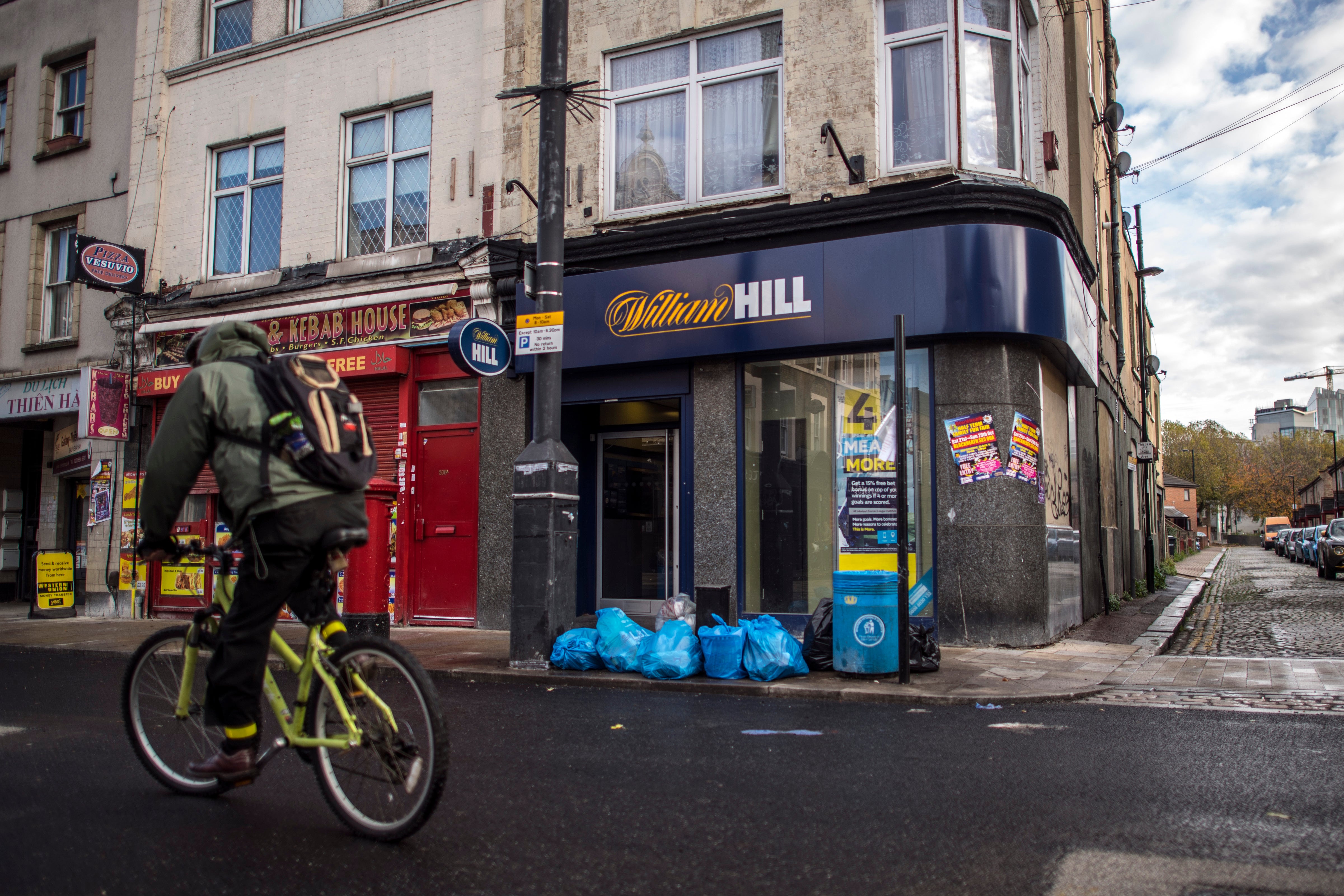 A man cycles past a William Hill bookmakers on Deptford High Street, London. Councils are set to have greater powers to reject new applications for bookmakers (Getty)
Getty
A man cycles past a William Hill bookmakers on Deptford High Street, London. Councils are set to have greater powers to reject new applications for bookmakers (Getty)
Getty
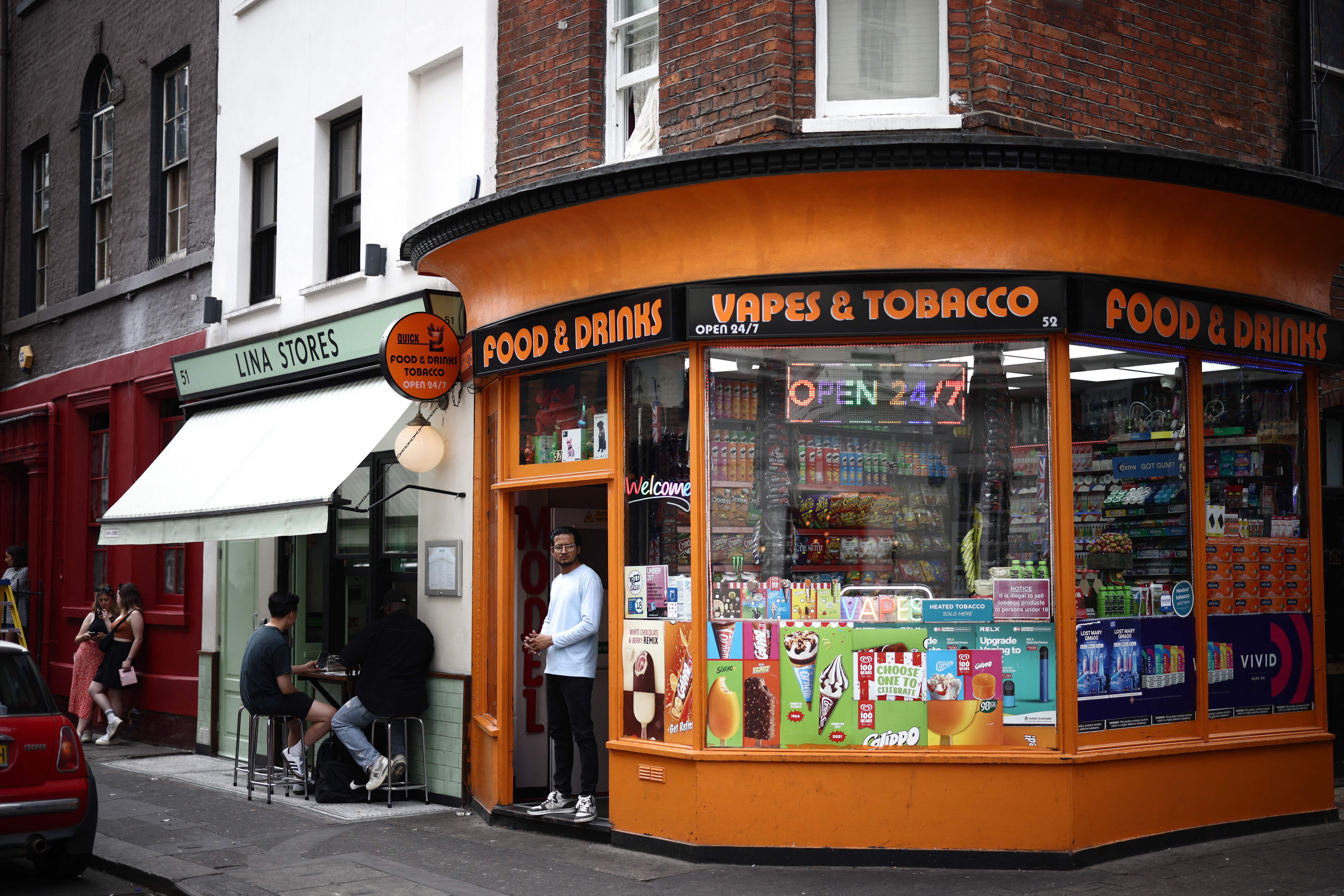 A vape shop in Soho. Vaping shops will also be regulated in a bid to help boost the British high street (AFP/Getty)
AFP/Getty
A vape shop in Soho. Vaping shops will also be regulated in a bid to help boost the British high street (AFP/Getty)
AFP/Getty
Andy Burnham’s government is preparing to give councils new powers to block betting shops and vape stores, with a planning clampdown that would reach into what can open on Britain’s high streets. According to The Independent, the plan would scrap the long-standing “aim to permit” rule that has limited town halls’ ability to refuse licences for gambling premises, while requiring new vape shops to obtain planning approval from next year.
The proposed changes go beyond licensing. The Independent reports that the legal definition of a vape shop would be tightened to stop retailers dodging controls by presenting themselves as “convenience stores”, and that venues operating 24-hour slot and fruit machines would also need planning consent. Ministers also want new expectations on shopfront design, aimed at curbing oversized branding and neon-heavy signage, alongside guidance for councils on how to make town centres look “more attractive”.
The package is presented as a high-street rescue plan, but it also shifts risk and discretion downward. Councils would be expected to decide what counts as an acceptable mix of commerce and nuisance, and to defend those judgements against businesses that can afford appeals and legal advice. The Independent notes that the “aim to permit” approach dates back to 2005, introduced under the Blair government—when Burnham himself was a minister—highlighting how rules built to encourage investment can later be recast as obstacles once the retail landscape changes.
The political appeal is straightforward: high streets are visible, and “vape shops and bookies” are easy villains in a story about hollowed-out town centres. The Independent cites a Centre for Social Justice report that Britain has lost nearly 1,800 pubs and bars since 2016 while vape and tobacco shops have risen to almost 2,200. Those numbers are being used to justify a more interventionist approach that tries to manage decline by managing frontage.
There is also a parallel track aimed at enforcement rather than planning. The Independent says police would be able to shut “dodgy” barbers, vape shops and nail salons for up to a year while investigating links to organised crime, a power first announced under Sir Keir Starmer’s government. That tool treats certain retail categories as proxies for criminality, making closure a default precaution rather than a last resort after charges.
Conservatives are already framing the move as a burden on legitimate businesses. Shadow local government secretary James Cleverly, quoted by The Independent, argued that Labour’s business rates hikes are driving out the kinds of shops ministers say they want, and warned that tighter planning could further damage high streets without offsetting support.
The government’s immediate next step is procedural: new vape shops would need planning permission from next year. The storefronts that councils refuse—or police close—will be the first real measure of how much control is being handed over, and how often it is used.