
Iran sets conditions for Hormuz shipping
Talks via Oman stall as Trump signals reduced push, oil market prices in toll-like leverage
Images
 independent.co.uk
 Reuters
 Vessels transit the Strait of Hormuz off Bandar Abbas in southern Iran on August 10 (AFP/Getty)
AFP/Getty
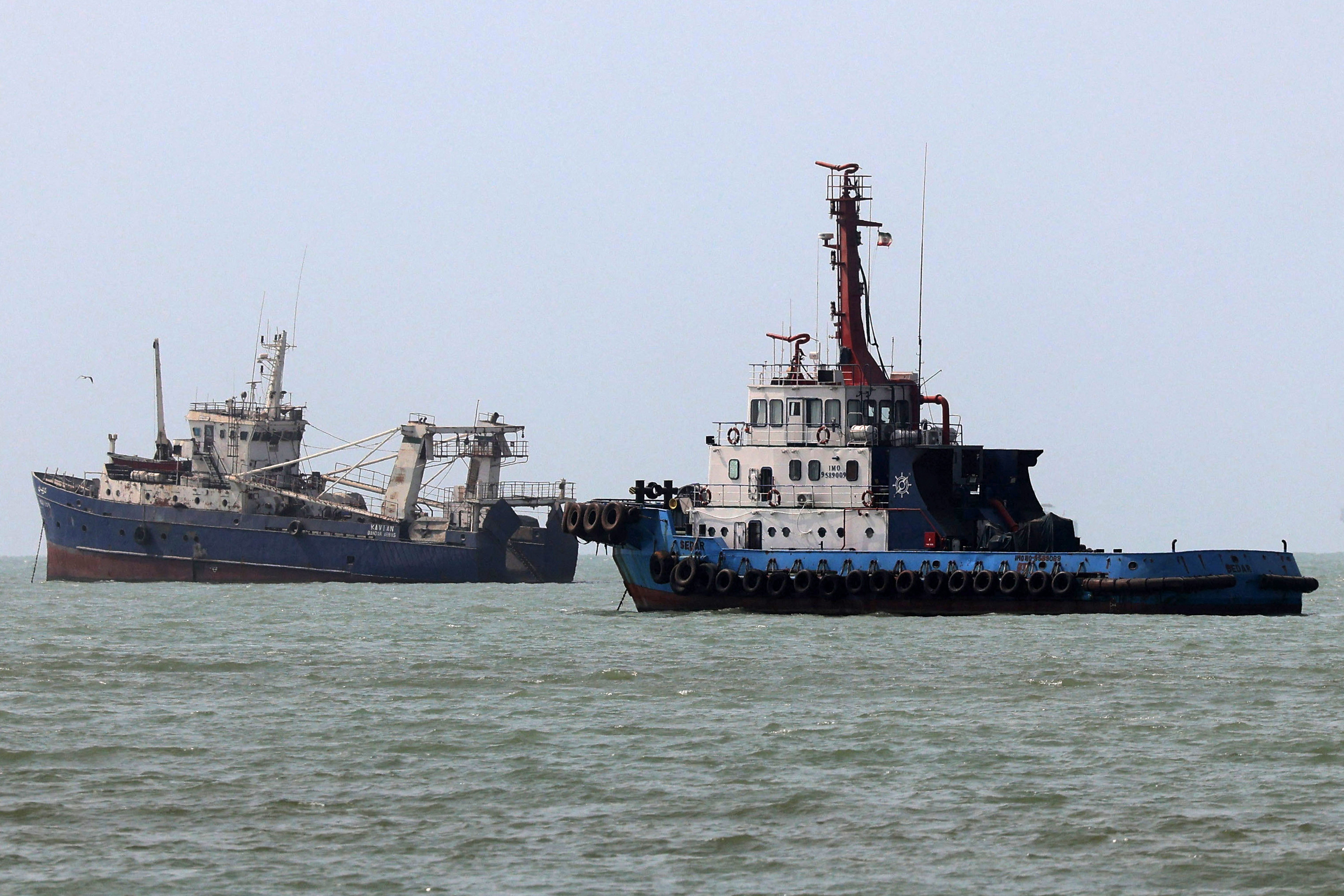
Vessels transit the Strait of Hormuz off Bandar Abbas in southern Iran on August 10 (AFP/Getty)
AFP/Getty
 The US President signalled on August 9 that he was prepared to let economic pressure mount against Iran, apparently backing away from more military strikes after Tehran issued a list of demands for opening the Strait of Hormuz (AFP/Getty)
AFP/Getty
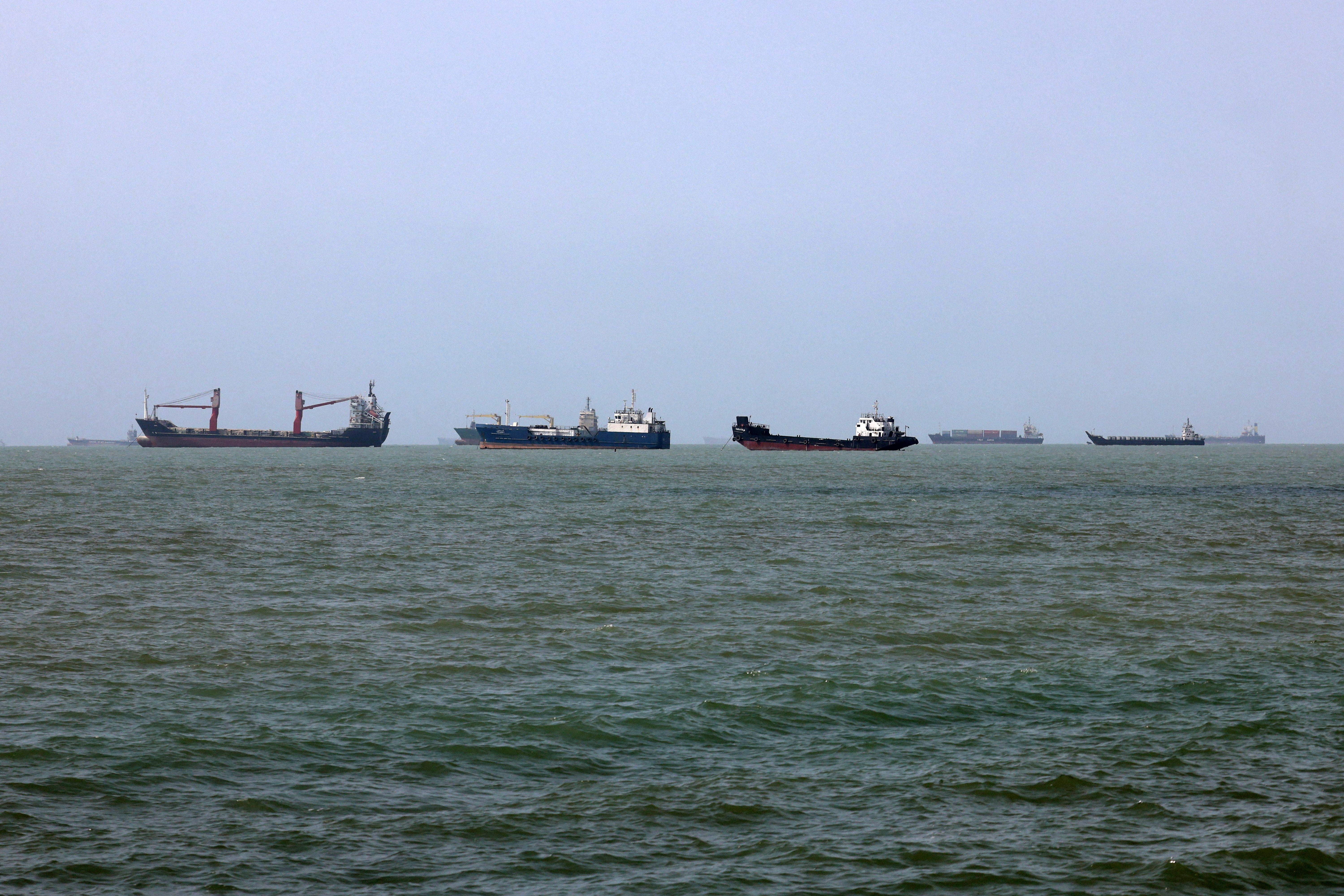
The US President signalled on August 9 that he was prepared to let economic pressure mount against Iran, apparently backing away from more military strikes after Tehran issued a list of demands for opening the Strait of Hormuz (AFP/Getty)
AFP/Getty
 independent.co.uk
Brent crude rose for a fourth straight session to about $84 a barrel as negotiations over shipping through the Strait of Hormuz failed to produce a reopening timetable. According to The Independent, Tehran has presented a set of conditions—including compensation—before it will allow normal passage through the chokepoint.
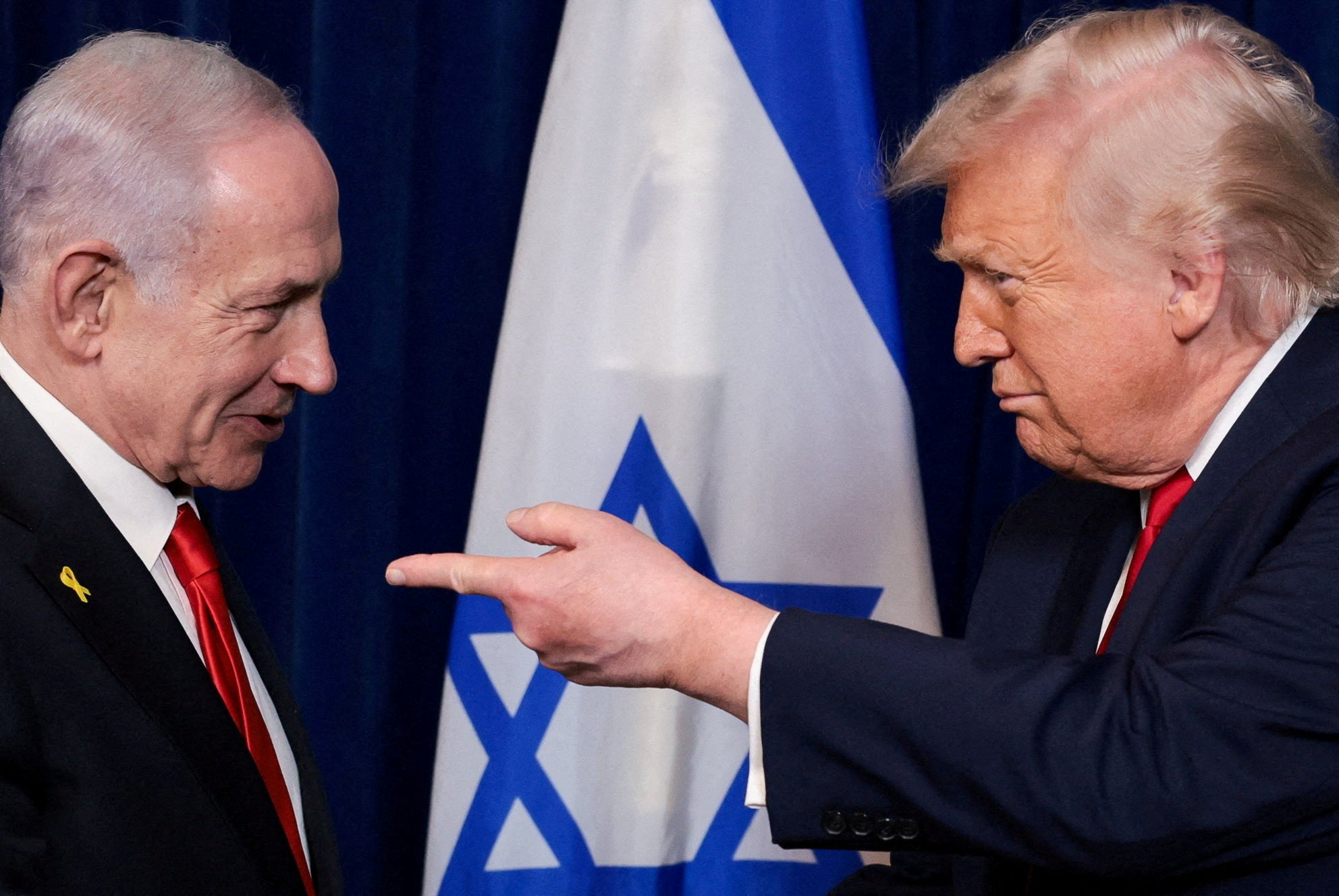
Donald Trump told Axios that the United States would scale down efforts to reopen the waterway, describing Washington as only “semi-negotiating” while watching Iran’s economic strain. The Independent reports that Iran is instead discussing a partial reopening via Oman, a channel that has often served as a discreet backdoor when direct U.S.–Iran diplomacy becomes politically costly.
The immediate market effect is straightforward: fewer ships moving through Hormuz means a higher risk premium on every barrel that still depends on the route. The second-order effect is harder to price. If a state can convert a military standoff into a fee-for-passage arrangement, other actors sitting near other chokepoints do not need to win wars to extract value; they only need to make insurers and shipping companies nervous. The Independent notes diplomats’ concern that any “safe passage” precedent at Hormuz could echo at Bab al-Mandab, where the Houthis have already shown how a regional militia can turn global logistics into a bargaining chip.
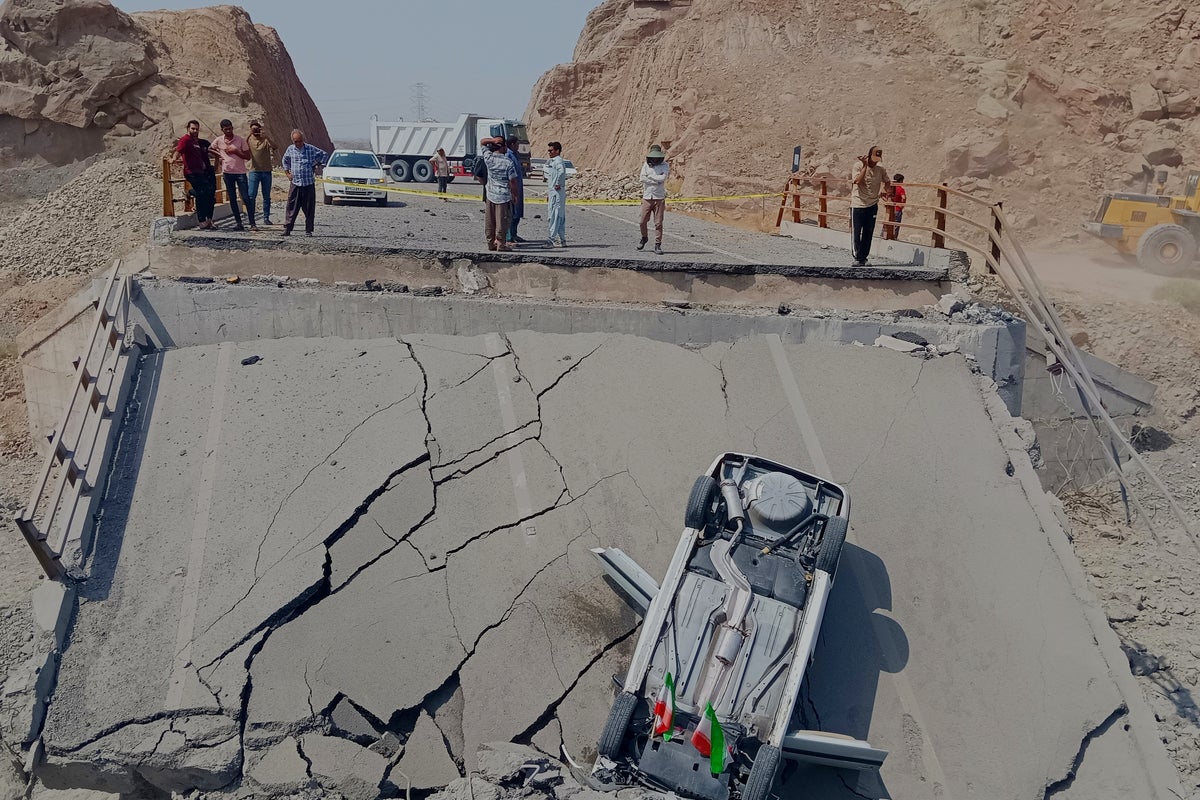
On the ground in Iran, the story is not only about tankers and diplomacy. The Independent cites residents in southern provinces describing explosions, outages, internet disruptions, shuttered businesses and little visible state support amid intermittent strikes and a fragile ceasefire. That local disruption sits alongside a separate U.S. scramble: the paper reports that Washington is pressing defence companies to accelerate production after missile stocks were depleted during the conflict.
The standoff also exposes a familiar asymmetry. Shipping lanes are treated as global commons until a single government demonstrates it can make them conditional, at which point the costs are dispersed across importers, consumers and treasuries paying for military readiness. The political argument then becomes a question of who writes the invoice and who is willing—or able—to refuse it.
For now, the only concrete datapoint is the one traders can see: oil has climbed for days while the world’s most important chokepoint remains tied up in conditions, intermediaries and a ceasefire that still produces explosions.