
Cape Verde turtle numbers rebound as youth emigration grows
Tourism absorbs jobs but diaspora outnumbers residents, social services lean on international cooperation as families fragment
Images
 Cape Verde, the African archipelago where turtles return and young people leave
english.elpais.com
Cape Verde, the African archipelago where turtles return and young people leave
english.elpais.com
CAPE VERDE — More than half a million people live on the Cape Verde archipelago, but nearly 700,000 Cape Verdean citizens reside in the United States and Europe, according to the International Organization for Migration. El País reports that the country received nearly one million visitors in 2024, a surge that has helped protect one of the Atlantic’s major nesting areas for loggerhead sea turtles even as many young Cape Verdeans look for a future elsewhere.
In Sal, one of the islands most exposed to tourism, a vocational pipeline has formed around the industry that dominates the economy. El País describes the TUI Academy, a hospitality school that recruits young people from vulnerable communities in Cape Verde and other West African countries, trying to place them in hotels and restaurants. The arithmetic is tight: tourism represents around a quarter of GDP, yet youth unemployment is still reported at 15.9% for ages 15 to 24, and almost one in five people aged 25 to 35 are neither studying nor working.
The result is an economy where the most reliable export is still people. With opportunities concentrated in a single sector and on a few islands, migration becomes the default career ladder, and remittances and overseas family networks become a substitute for local capital formation. Ricardo Andrade, president of SOS Children’s Villages in Cape Verde, tells El País that emigration is fracturing the social fabric, with parents leaving children behind with grandparents or, in some cases, effectively alone.
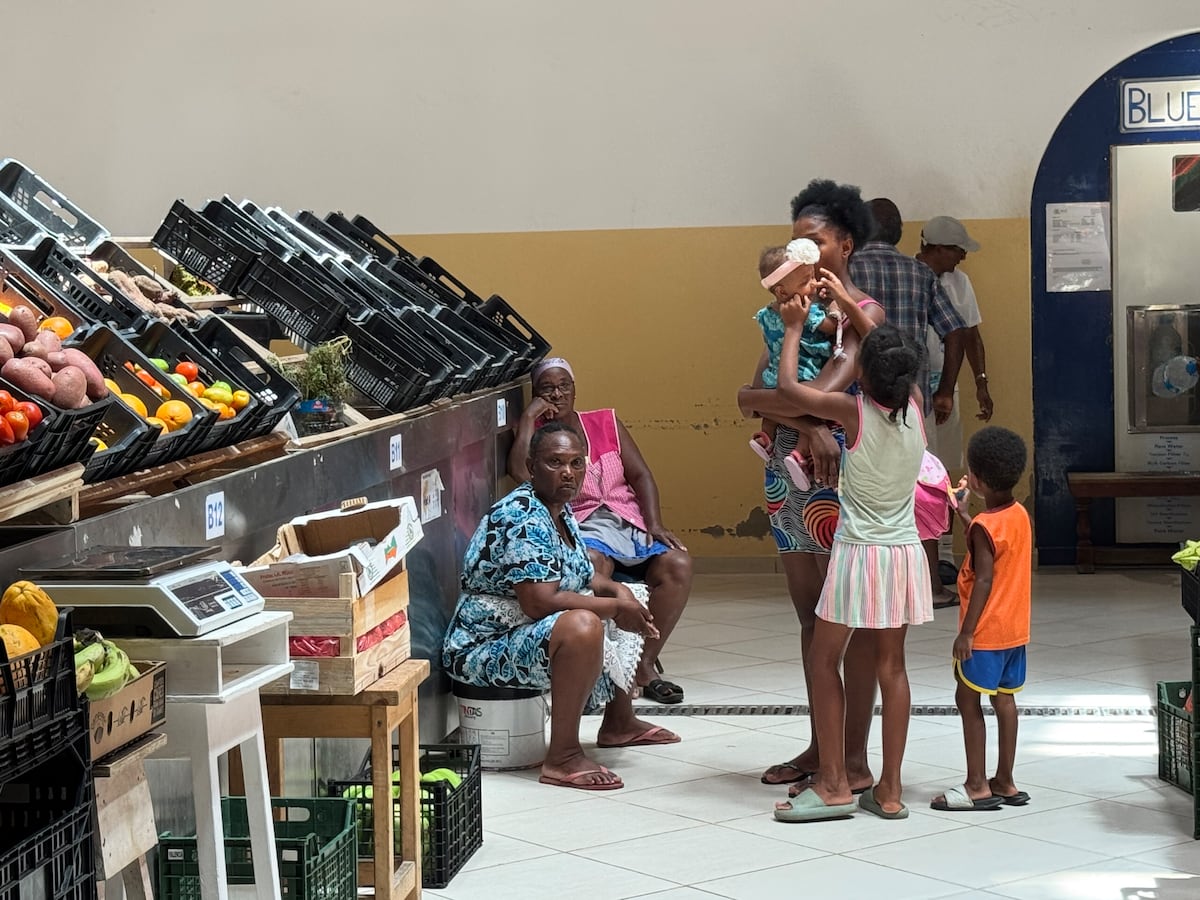
That social cost shows up in the country’s household structure. El País reports that more than half of families are single-parent households, often headed by women. For women working in tourism, childcare becomes a binding constraint: shift work collides with limited support, and children can end up spending more time on the street than in supervised settings. SOS Children’s Villages says many of the children it supports come from backgrounds marked by abandonment, violence, or sexual abuse.
The safety net is partly outsourced. SOS Children’s Villages cares for 122 children in alternative foster care and works with more than 2,300 children and teenagers through community projects, according to El País. The organisation’s support network depends significantly on international cooperation; the report notes that the dismantling of USAID did not directly hit SOS Children’s Villages, but weakened some partner organisations it relied on.
Cape Verde’s tourism numbers can be counted in arrivals and GDP share; its emigration is counted in a diaspora larger than the resident population. On Sal, El País describes turtles returning to protected beaches while young adults continue to plan their departures.