
Typhoon Dolphin triggers mass evacuations in eastern China
Flights and trains halted as Zhejiang cities open emergency shelters, misinformation detentions accompany the storm response
Images
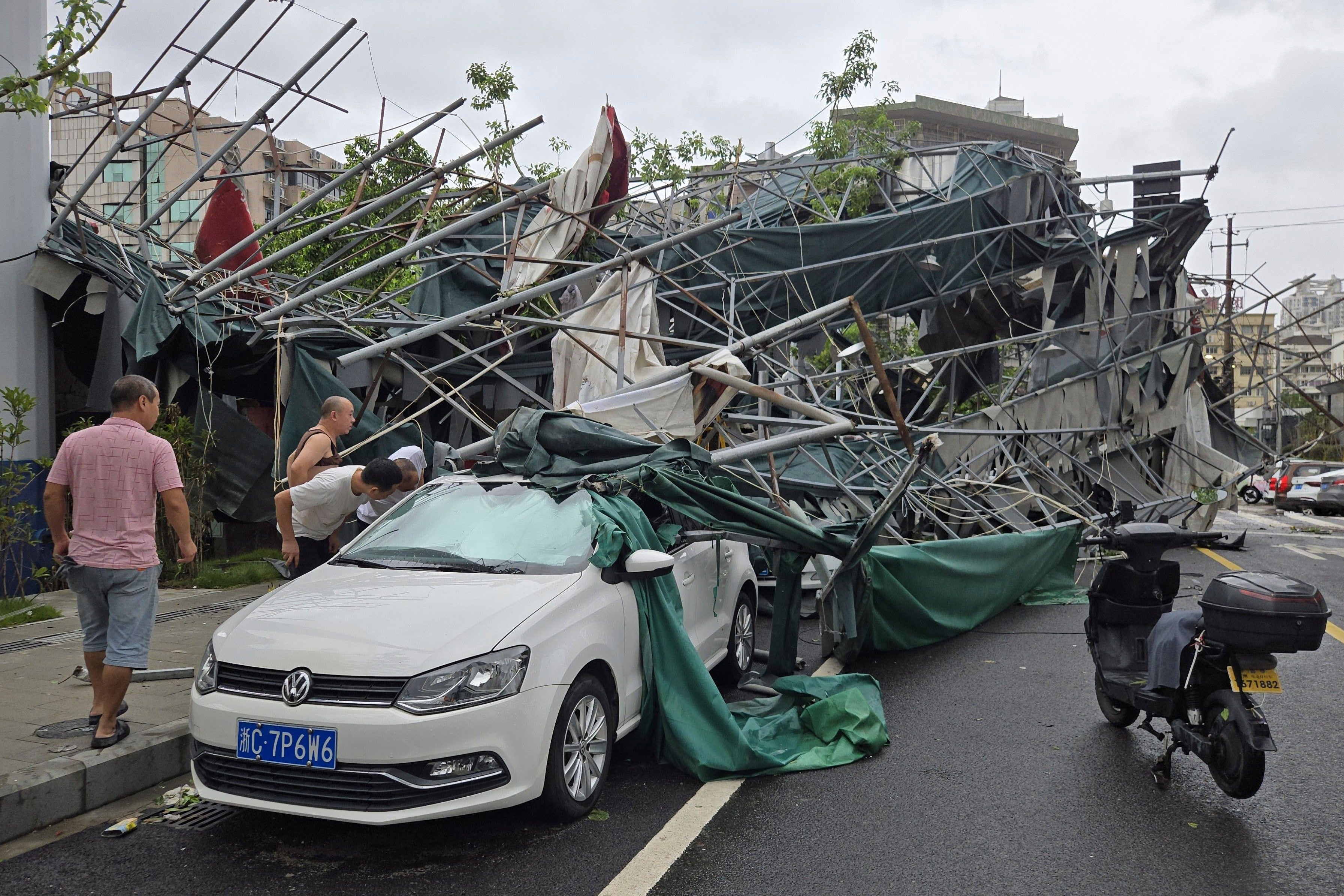 People look inside a car pinned by a fallen scaffolding structure after Typhoon Dolphin (AP)
independent.co.uk
People look inside a car pinned by a fallen scaffolding structure after Typhoon Dolphin (AP)
independent.co.uk
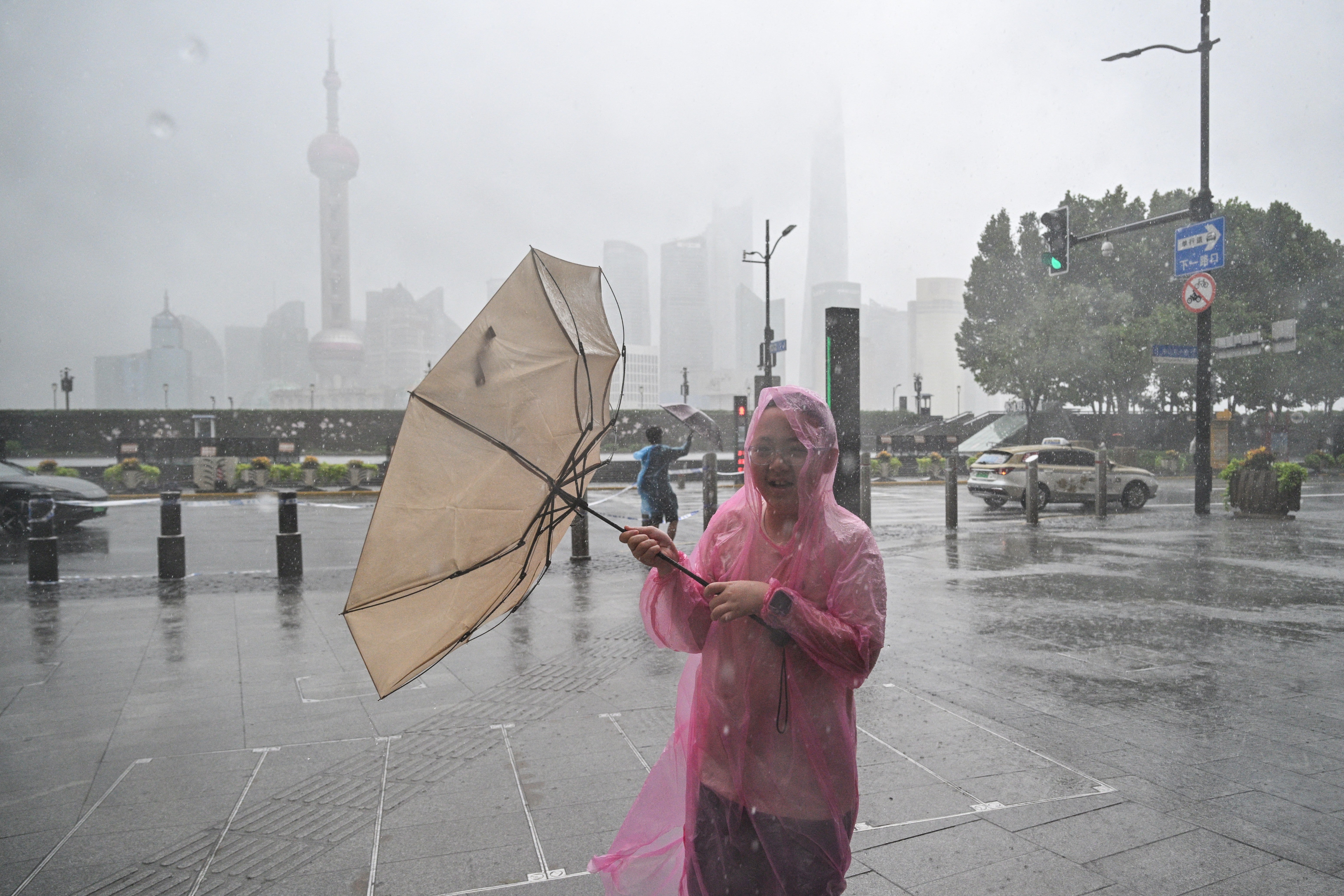 People use umbrellas to shelter from the rain as they walk on the Bund a day after Typhoon Dolphin (AFP/Getty)
AFP/Getty
People use umbrellas to shelter from the rain as they walk on the Bund a day after Typhoon Dolphin (AFP/Getty)
AFP/Getty
More than a million people were evacuated in eastern China as Typhoon Dolphin made landfall in Zhejiang province, with authorities cancelling flights, suspending trains and moving vessels into shelter, according to The Independent. The storm, described as the most powerful to hit China this year, made landfall near Yuhuan and then again near Wenzhou, after China’s National Meteorological Centre issued its highest-level red alert. By Monday morning the system had weakened to a tropical storm.
The evacuations were concentrated in large coastal cities whose economies run on logistics, factories and dense housing. The Independent reports that Wenzhou evacuated more than 900,000 residents and opened more than 1,000 emergency shelters, while Taizhou moved roughly 390,000 people and Fujian, Shanghai and other areas also cleared risk zones. Shanghai’s two main airports cancelled nearly 1,500 flights, with additional cancellations at Hangzhou airport, while ports cleared berths and smaller vessels were ordered into shelter. In Fujian, maritime authorities suspended coastal ferry routes and halted offshore construction projects, pushing work stoppages through supply chains that normally operate on tight schedules.
Officials reported no casualties in China, but state media cited a missing child in Zhejiang, and the storm’s disruption was paired with a separate crackdown on online rumours, The Independent notes. Two people were detained for alleged misinformation, including a man accused of using AI to fabricate a video of someone falling from a building in Shanghai. In a crisis where authorities rely on public compliance — evacuations, road closures, sheltering orders — information control becomes part of the response toolkit, even when the public’s immediate problem is water, wind and the cost of downtime.
The same weather system rippled across borders. The Independent reports injuries and power outages in Okinawa, heavy rain in the Philippines and northern Taiwan, and unusual heat in Hong Kong, where the observatory recorded its highest temperature at headquarters since records began in the 19th century. The storm’s long track and wide footprint turned a local landfall into a regional event, stretching emergency services while households and small businesses absorb the practical losses: closed parks, cancelled travel, halted construction and days of interrupted trade.
In Zhejiang, residents were told to follow evacuation orders as rivers were forecast to rise. The port cleared its berths and the airports cleared their departure boards.