
Sweden orders British widow to leave after late Brexit residency application
Guardian reports 2,500 UK nationals face removal decisions, a paperwork deadline becomes a family separation order
Images
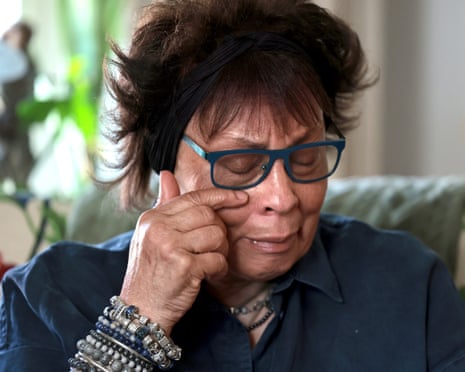 Joyce Thomas, 78, is now taking the case to a higher court. Photograph: Helena Karlsson/NWT
theguardian.com
Joyce Thomas, 78, is now taking the case to a higher court. Photograph: Helena Karlsson/NWT
theguardian.com
 Joyce Thomas and her late husband, Gwynne. Photograph: Joyce Thomas
theguardian.com
Joyce Thomas and her late husband, Gwynne. Photograph: Joyce Thomas
theguardian.com
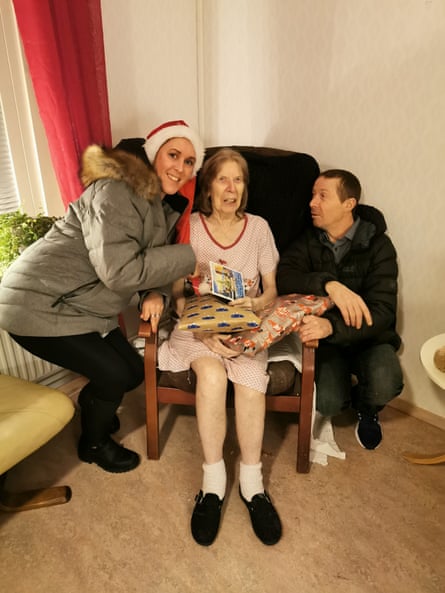 Sweden also tried to deport Kathleen Poole, seen here in a dementia care home with her son Wayne and daughter-in-law Angelica. Photograph: Angelica Poole
theguardian.com
Sweden also tried to deport Kathleen Poole, seen here in a dementia care home with her son Wayne and daughter-in-law Angelica. Photograph: Angelica Poole
theguardian.com
 Joyce Thomas, 78, in her garden in August, She is facing removal from Sweden over hardline Brexit policy. Photograph: Copyright: Felix Andler/TheGuardian
theguardian.com
Joyce Thomas, 78, in her garden in August, She is facing removal from Sweden over hardline Brexit policy. Photograph: Copyright: Felix Andler/TheGuardian
theguardian.com
Swedish authorities have ordered a 78-year-old British widow to leave Sweden after rejecting her post-Brexit application to stay as being submitted too late, the Guardian reports. Joyce Thomas has lived in Sweden for 21 years and was told in late 2023 that she had four weeks to depart; her case is now heading to a higher court with pro bono legal help.
The dispute turns on paperwork rather than conduct. Thomas, a retired nurse, has no criminal record, has supported herself financially, and moved to an apartment in Hammarö after her husband died so she could be near her son and grandchildren, according to the Guardian. The problem is timing: she and her husband only realised during a 2022 trip to the UK that they were required to make a formal application to secure their residence status after Brexit. Her husband, who handled household administration, later died of cancer.
Under the UK’s withdrawal agreement with the EU, late applications can be accepted where there are “reasonable grounds” for missing the deadline. The Guardian reports that Sweden rejected Thomas’s late application in 2024 on the basis that she had not demonstrated such grounds, and also rejected a subsequent attempt to stay under Swedish national immigration rules. Campaigners and the UK’s Foreign, Commonwealth & Development Office have criticised Sweden’s approach as unusually hardline, and the article notes a previous case in which Sweden sought to deport a British woman with dementia shortly before she died.
The case illustrates how the administrative edge of a political rupture ends up being enforced by caseworkers and courts rather than negotiators. Free movement created long lives built across borders—family ties, graves, housing, healthcare networks—while the post-Brexit regime demands proof, deadlines and the right form in the right window. For governments, strict processing is legible and scalable: a rule can be applied to thousands of files. For individuals, the cost is paid in one-off disruptions that are difficult to reverse once a removal order is issued.
The Guardian says Thomas is one of about 2,500 British people ordered to leave Sweden after Brexit. Each case is a separate file, but the outcome is the same: people who arrived legally and stayed quietly discover that residence can expire in a letter.