
Study links swapping movement for sedentary time to higher cancer risk
UK Biobank analysis models minute-by-minute substitutions across daily behaviour, small losses of vigorous activity show up in risk estimates
Images
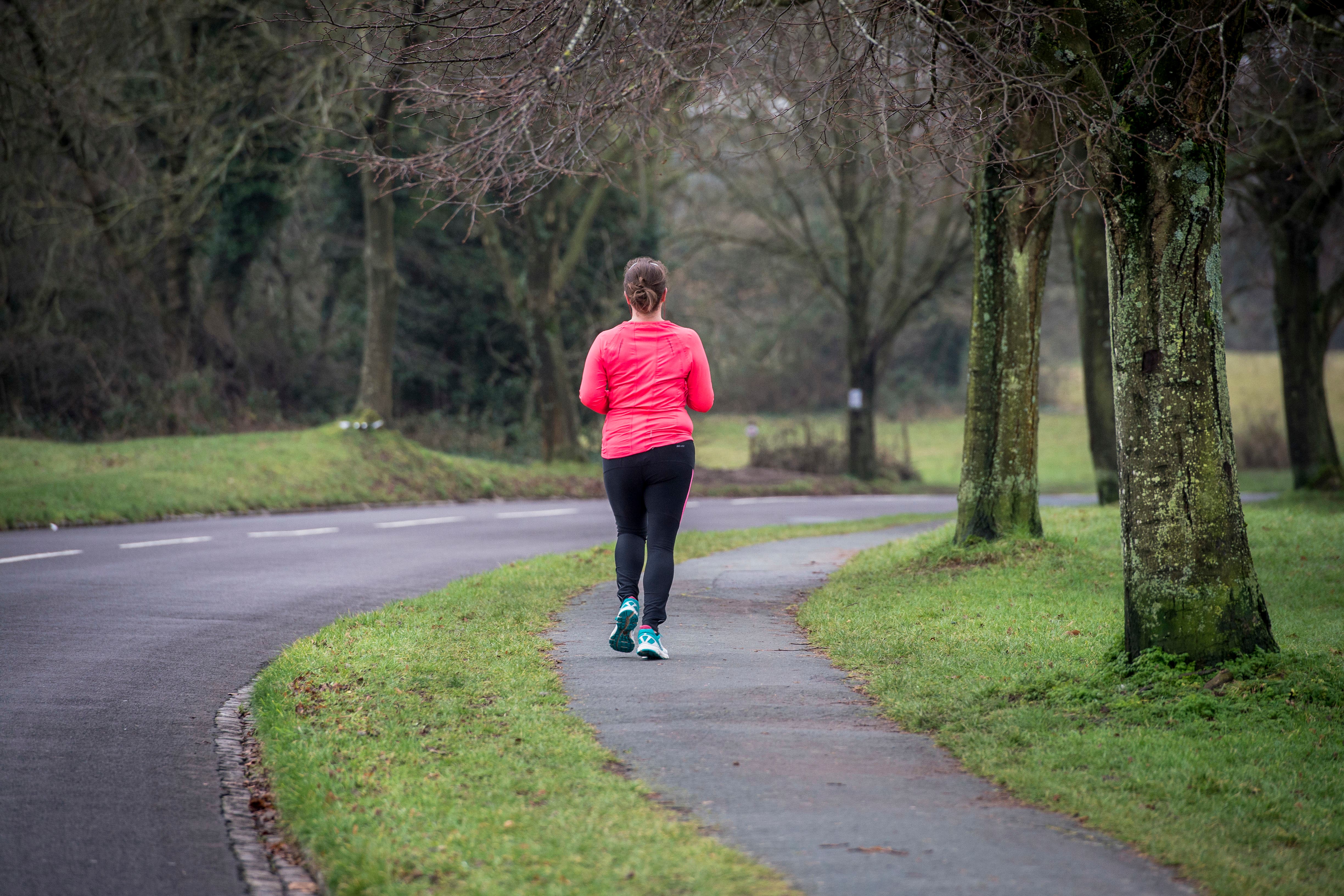 Physical activity is linked with a lower likelihood of developing cancer (PA Archive)
PA Archive
Physical activity is linked with a lower likelihood of developing cancer (PA Archive)
PA Archive
 People who spend a lot of time sitting down have an increased risk of cancer (Getty/iStock)
Getty/iStock
People who spend a lot of time sitting down have an increased risk of cancer (Getty/iStock)
Getty/iStock
Swapping time spent moving for common sedentary activities is associated with a higher risk of developing cancer, according to a study reported by The Independent. The research, published in BMC Medicine, analysed data from UK Biobank participants and modelled what happens when minutes of daily activity are replaced with sitting, sleep, or lighter movement. Over the follow-up period described in the report, thousands of cancer cases were recorded among the cohort.
The paper’s headline result is not that exercise is good, but that small changes appear to matter at the margin. The Independent reports that replacing 30 minutes of movement with 30 minutes of sedentary behaviour was associated with an 8% higher cancer risk in the modelling, while swapping 30 minutes of movement for 30 minutes of sleep was associated with a 7% increase. The same article says replacing 15 minutes of sleep or sedentary time with 15 minutes of movement was linked to a 2% reduction in risk.
The study also tries to quantify the effect of losing very short bursts of vigorous activity—minutes that often come from ordinary life rather than planned workouts. The Independent reports that a reduction of only a few minutes per day of vigorous activity, replaced by sitting, sleep or light activity, was associated with increased cancer risk in the modelling. Examples given include running for a bus, rushing up stairs, or carrying heavy grocery bags—activities that disappear first when work becomes more screen-bound and daily routines become more car-dependent.
Because the analysis is based on substitution models, it implicitly treats time as a fixed budget: more of one behaviour means less of another. That makes the findings directly legible to employers, schools and transport planners, not just to individuals. A workplace that converts walking meetings into video calls, or a city that makes short trips impractical without a car, is not merely changing convenience; it is reallocating minutes from higher-intensity movement into sitting.
The Independent’s reporting aligns with existing public-health guidance that adults should meet weekly activity targets, but the new contribution is how quickly risk moves when movement is traded away in small increments. The study’s message is delivered in minutes, not in slogans: a half-hour block of sitting can be substituted into the day more easily than it can be metabolised out of the body.