
UK North Sea drilling decision nears as consultations close
Burnham weighs Jackdaw and Rosebank after court setback, Trump praise collides with Labour climate pledge during heatwave politics
Images
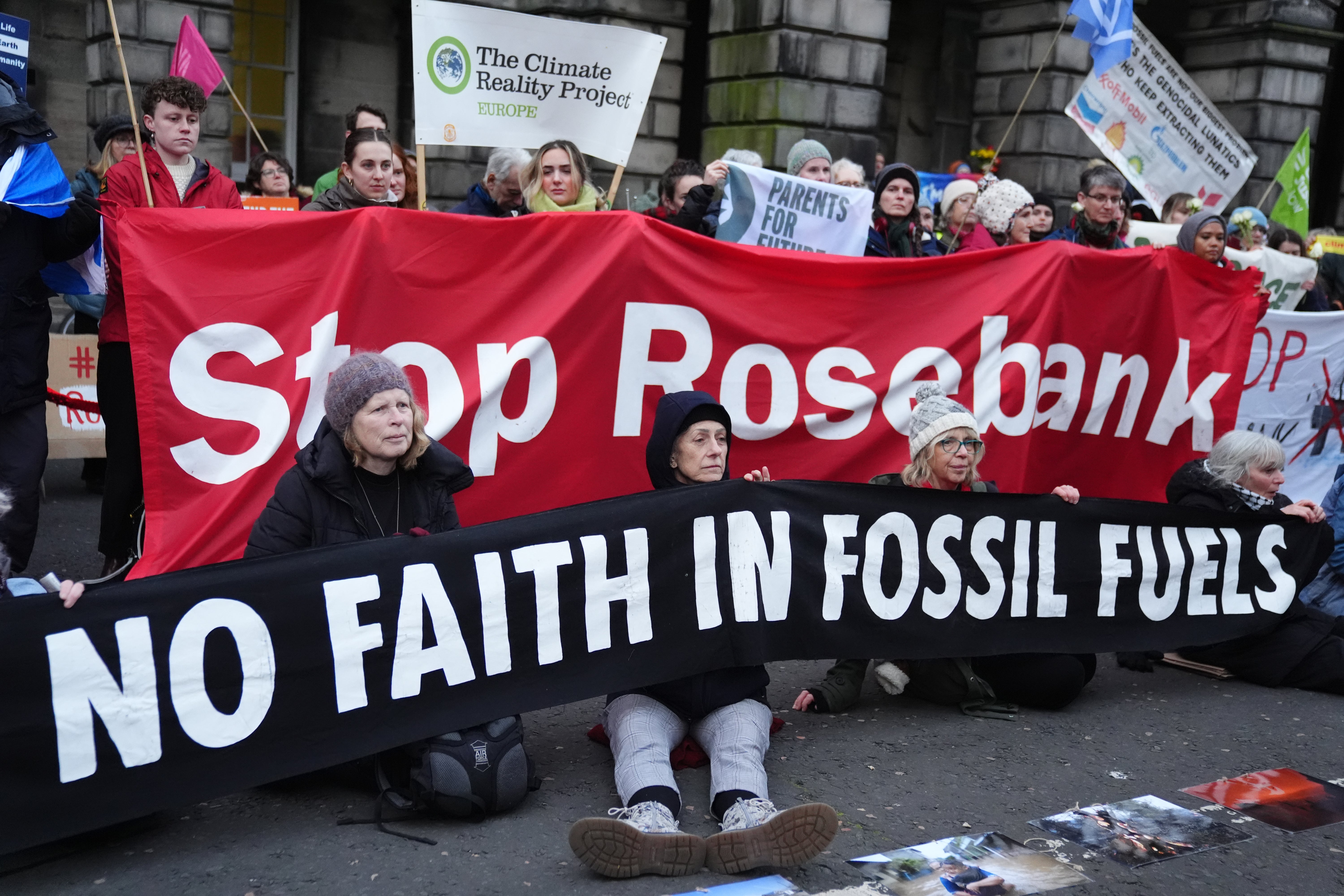 Climate activists say the Rosebank and Jackdaw projects would ‘further fuel climate chaos’ (PA) (PA Archive)
PA Archive
Climate activists say the Rosebank and Jackdaw projects would ‘further fuel climate chaos’ (PA) (PA Archive)
PA Archive
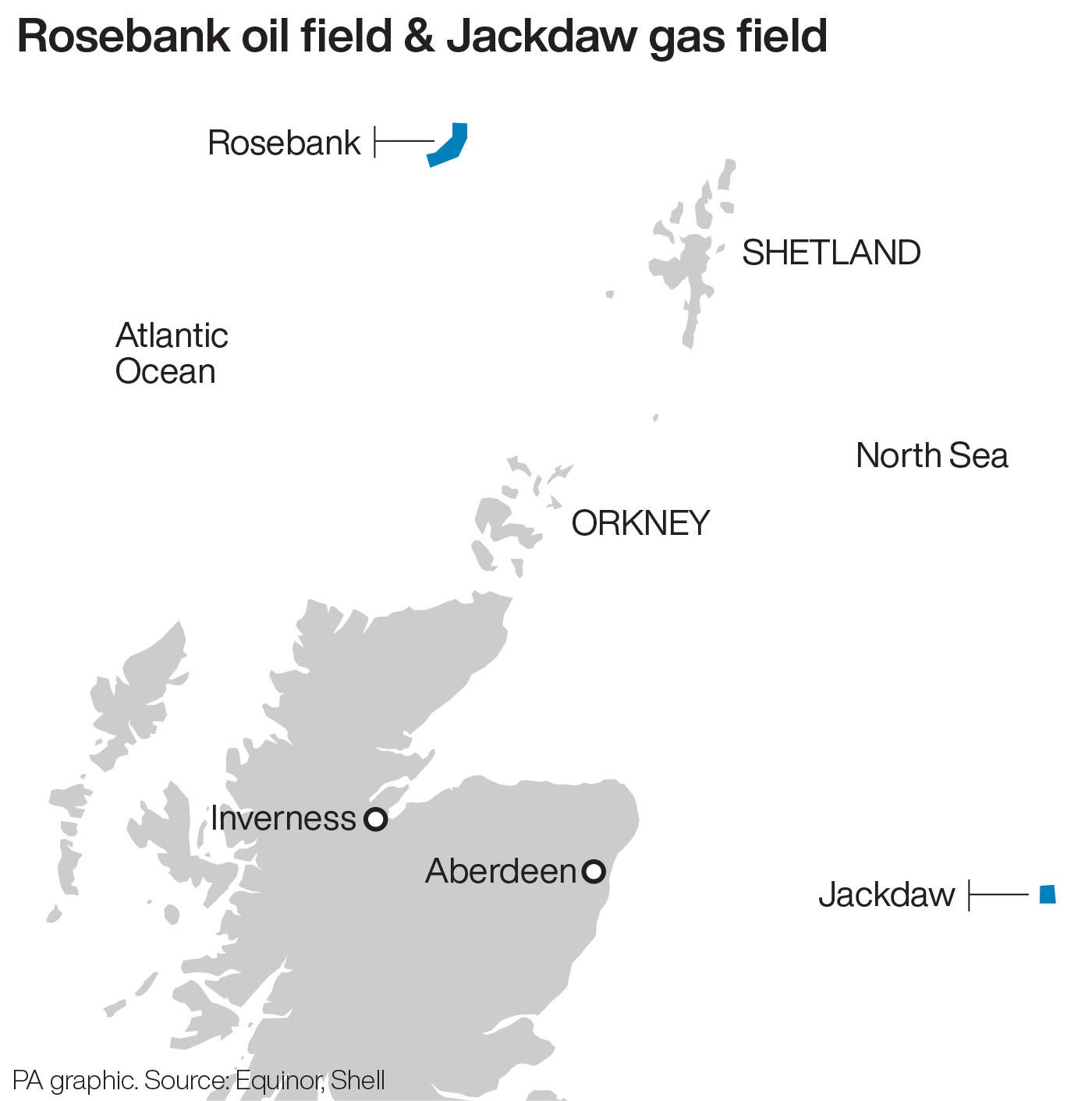 (PA Graphics) (PA Graphics)
PA Graphics
(PA Graphics) (PA Graphics)
PA Graphics
 independent.co.uk
 standard.co.uk
 standard.co.uk
 standard.co.uk
Two North Sea consultations close days apart, forcing UK prime minister Andy Burnham to decide whether to revive oil and gas projects previously approved by Conservatives and then struck down in court. Environmental groups are urging ministers to refuse production at Jackdaw and Rosebank, while the industry, opposition politicians and US president Donald Trump are pushing for approval, according to The Independent and the Evening Standard.
The immediate trigger is procedural: the Jackdaw consultation closes first, with Rosebank following a week later. But the political bind is structural. Labour’s 2024 manifesto promised not to grant new licences, yet the government has also said it will honour existing licences—language that could leave room to proceed even after the earlier approvals were quashed following a Greenpeace challenge. That ambiguity allows each side to argue the government is either breaking a pledge or simply executing inherited permissions.
The arguments offered to the public point in different directions. Climate campaigners say additional extraction would add emissions while doing little for household bills or energy security, and they are tying their case to the summer’s extreme heat and recent wildfires near Aberdeen. Supporters of drilling say the projects protect jobs and investment and help manage the decline of a mature basin without destroying the skills base. Scottish Labour MP Graeme Downie, cited in both outlets, frames it as a choice between an orderly transition and losing the industry’s foundations—and with it the capacity to build whatever comes next.
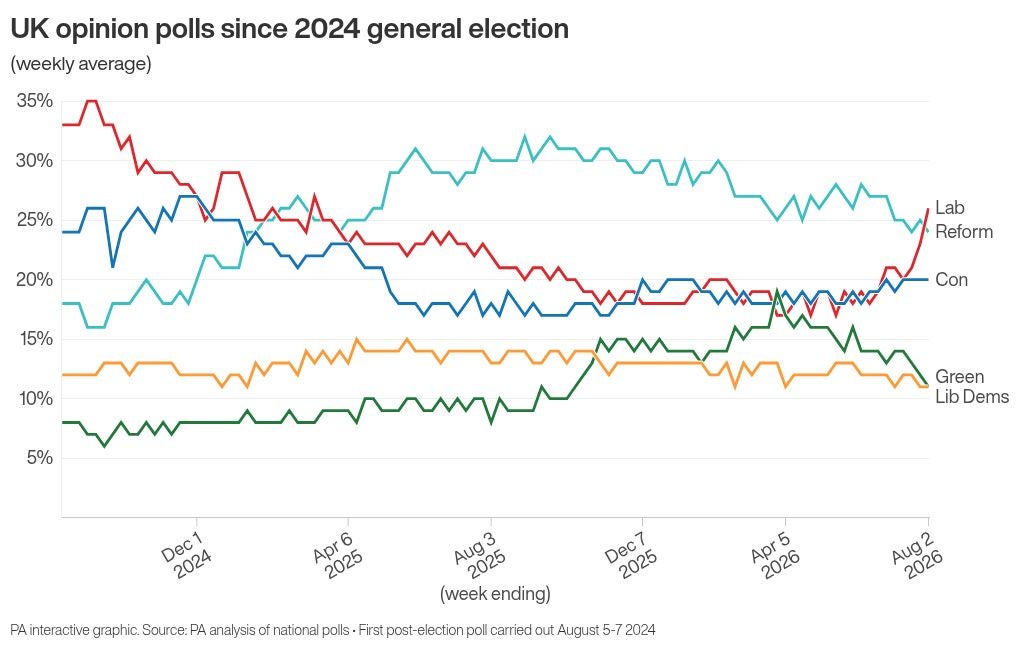
Trump’s involvement adds another layer: he has publicly backed North Sea drilling and has said Burnham “sounded terrific” on the issue during their first phone call, after Burnham told him the UK “can’t ignore” North Sea resources and would take a “pragmatic approach”. For Burnham, that creates a split-screen problem. A decision to approve can be presented as energy realism at home, but it also hands opponents an easy narrative of a new government bending under pressure from a foreign leader and domestic lobbies. A decision to refuse may satisfy activists and Greens-curious voters, but it risks a backlash from unions and regions that still depend on offshore work.
The consultations end on the calendar regardless of the weather. When the responses are counted, the government will still have to decide whether “no new licences” means no new extraction, or only no new paperwork.