
UK seeks deeper EU relationship under Andy Burnham
New Europe minister Hamish Falconer targets services and youth mobility within red lines, university fee dispute stalls the flagship deal
Images
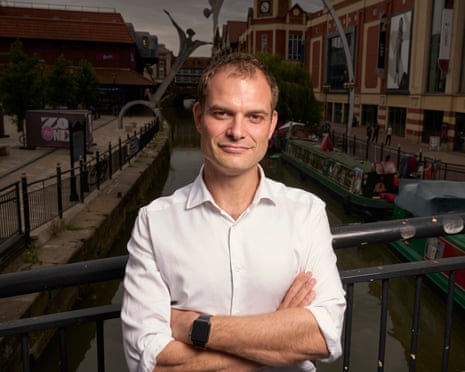 Hamish Falconer: ‘We have made some real initial progress on resetting but now we’ve got to deliver.’ Photograph: Christopher Thomond/The Guardian
theguardian.com
Hamish Falconer: ‘We have made some real initial progress on resetting but now we’ve got to deliver.’ Photograph: Christopher Thomond/The Guardian
theguardian.com
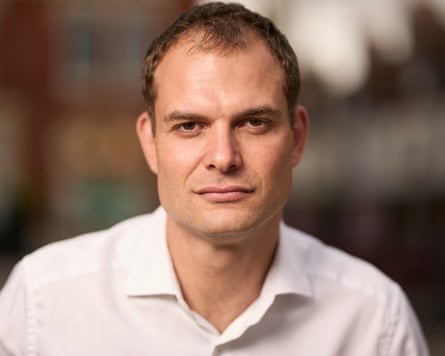 Falconer is the son of the Labour grandee Charlie Falconer and a former Middle East minister. Photograph: Christopher Thomond/The Guardian
theguardian.com
Falconer is the son of the Labour grandee Charlie Falconer and a former Middle East minister. Photograph: Christopher Thomond/The Guardian
theguardian.com
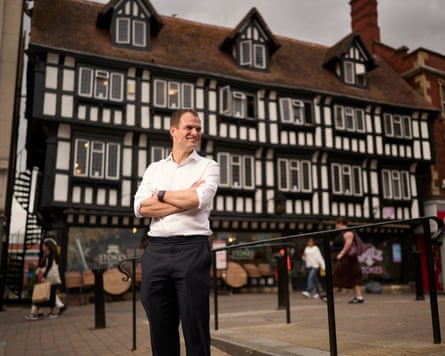 Falconer in his constituency of Lincoln where he has been the MP since 2024. Photograph: Christopher Thomond/The Guardian
theguardian.com
Falconer in his constituency of Lincoln where he has been the MP since 2024. Photograph: Christopher Thomond/The Guardian
theguardian.com
Britain’s new Europe minister says the government will move faster toward a “deeper relationship” with the EU, while keeping Labour’s red lines against rejoining the single market or customs union. According to The Guardian, Hamish Falconer—appointed by Prime Minister Andy Burnham—wants to focus next on services, including possibilities such as visa-free travel for Britons working in the EU and mutual recognition of qualifications. The reset summit originally planned for July was postponed after Keir Starmer resigned in June, and a new date has not yet been set.
The immediate constraint is that the areas with the largest economic upside are also the areas where the EU demands enforceable alignment. Services trade is less integrated inside the EU than goods, which creates room for bespoke deals—but also means each sector comes with its own regulators, professional bodies, and domestic lobbies that can block concessions quietly. The Guardian reports EU officials had complained that UK negotiators under Falconer’s predecessor kept trying to add new items rather than closing what was already on offer. That pattern is familiar in post-Brexit talks: London sells “ambition” at home while Brussels asks for signatures, timetables, and dispute mechanisms.
The most politically volatile file remains youth mobility. The Guardian says the proposal would allow tens of thousands of young Europeans and Britons to live and work in each other’s territories, but talks are deadlocked over university fees—Britain is reluctant to let EU students pay the lower rates charged to UK students, even as cash-strapped universities want the revenue and the enrolments. What looks like a narrow technical argument is also a proxy for migration politics: any scheme that increases legal movement becomes ammunition in domestic debates, regardless of its age caps or quotas.
Falconer’s mandate is also shaped by timing. EU figures told The Guardian they hope he brings energy and creates political space for a deal, but the next summit may not happen until October to give him time to master the detail and for Burnham to settle his foreign-policy footing. In practice, that means the “reset” is still measured in months and meetings, not in signed chapters.
For now, the government has a minister back from honeymoon, a postponed summit, and a list of deliverables that begins with who gets to pay home-student fees.