
Colombia inaugurates Abelardo de la Espriella as president
Petro boycotts and blocks military-garrison venue as polarization hardens, outsider cabinet blends MAGA-style foreign policy with traditional right
Images
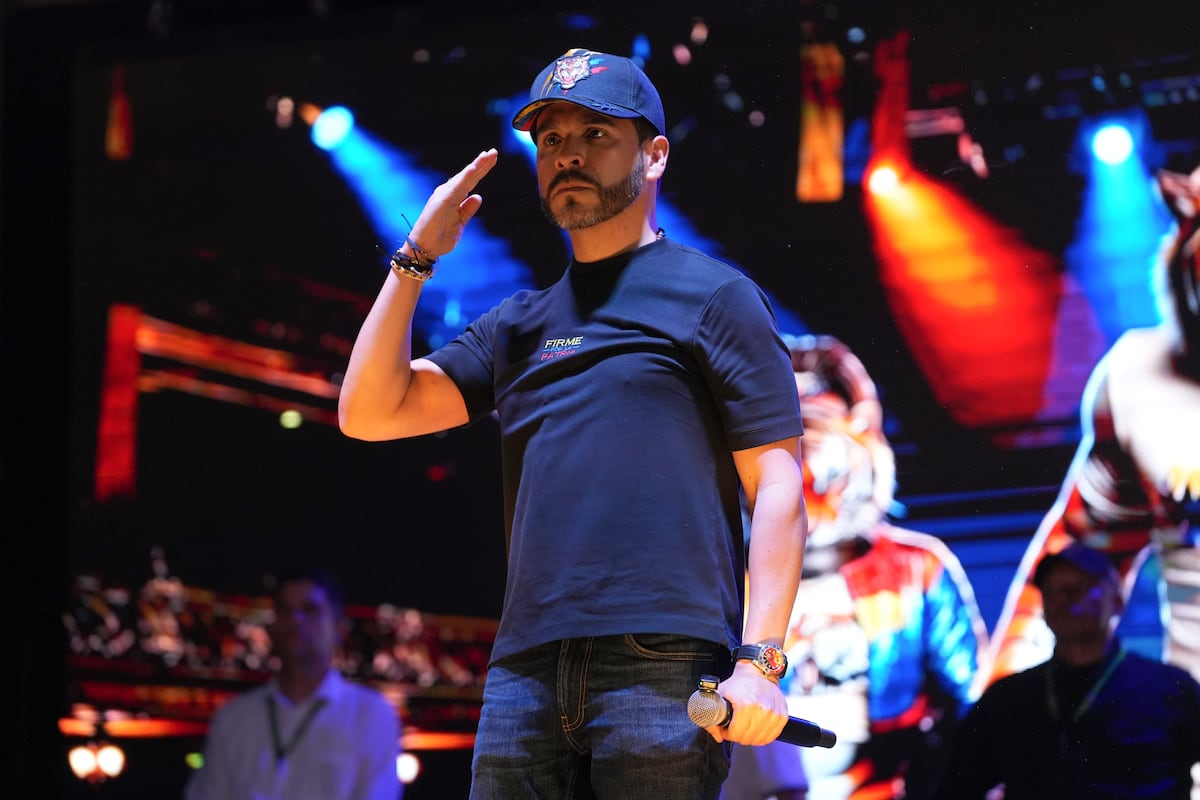 A strained Colombia ushers in a new political era with Abelardo de la Espriella
english.elpais.com
A strained Colombia ushers in a new political era with Abelardo de la Espriella
english.elpais.com
**Colombia swears in Abelardo de la Espriella, polarized handover tests institutional rituals as outsider president builds a rightward cabinet, Petro boycotts inauguration he once hosted**
On August 7, Colombia’s public holiday marking an independence battle, Abelardo de la Espriella took office as president, according to *El País*. The date is also when Colombia inaugurates a new head of state every four years, and this year the ceremony doubled as a visible break with recent political habits: De la Espriella did not invite several former presidents, and outgoing president Gustavo Petro and his party announced they would not attend.
*El País* describes De la Espriella as a criminal lawyer known for theatrics who had no prior electoral experience or history in public office before his surprise rise—first winning the first round in May and then the June runoff. The transition is framed as a swing from left to right, but the more immediate feature is procedural strain: Petro blocked De la Espriella’s attempt to hold the inauguration outside Bogotá at a military garrison by forbidding the armed forces and police from lending their facilities.
The boycott is not merely symbolic. Petro’s party alleges election fraud—claims Petro repeats “without evidence,” *El País* reports—and also questions De la Espriella’s dual Colombian and US citizenship, which is legal in Colombia. De la Espriella, for his part, has talked about judicially pursuing Petro, turning the handover into a prelude to litigation rather than a reset of government.
Colombia’s political system has long sold itself on continuity: *El País* notes a tradition of institutional moderation and roughly seven decades of peaceful transfers of power without coups, expropriations or hyperinflation. That history matters because it is a form of collateral; it lowers the cost of governing and borrowing by making outcomes more predictable. A transition conducted through boycotts, fraud allegations and threats of prosecution raises the premium on every future compromise.
Personnel choices are one way presidents signal what they will actually do once the ceremony ends. *El País* reports that De la Espriella’s incoming government includes elements of the far right, including a foreign minister who embraces MAGA movement theories, alongside figures typical of the traditional right, personified by former president Iván Duque. The housing minister, the paper adds, has been active as a Christian pastor—an appointment that points to culture-war constituencies expecting policy returns.
De la Espriella’s rise also scrambles the usual ladder of Colombian politics. Previous presidents typically arrived with long careers as lawmakers, ministers or perennial candidates. Here, *El País* says, the new president’s background runs through private business—including criminal law and a rum brand—and a past role advising paramilitaries during peace negotiations more than 20 years ago.
The ceremony took place on a national holiday designed to commemorate state formation. This time, the state’s most basic ritual—one president handing power to another—was carried out with the outgoing leader absent and the security forces told where they could not host it.