
Pentagon orders weapons makers to accelerate production
Three-week deadline for new delivery plans as Iran war depletes stockpiles, contractors told to lobby Congress while procurement cycles stay slow
Images
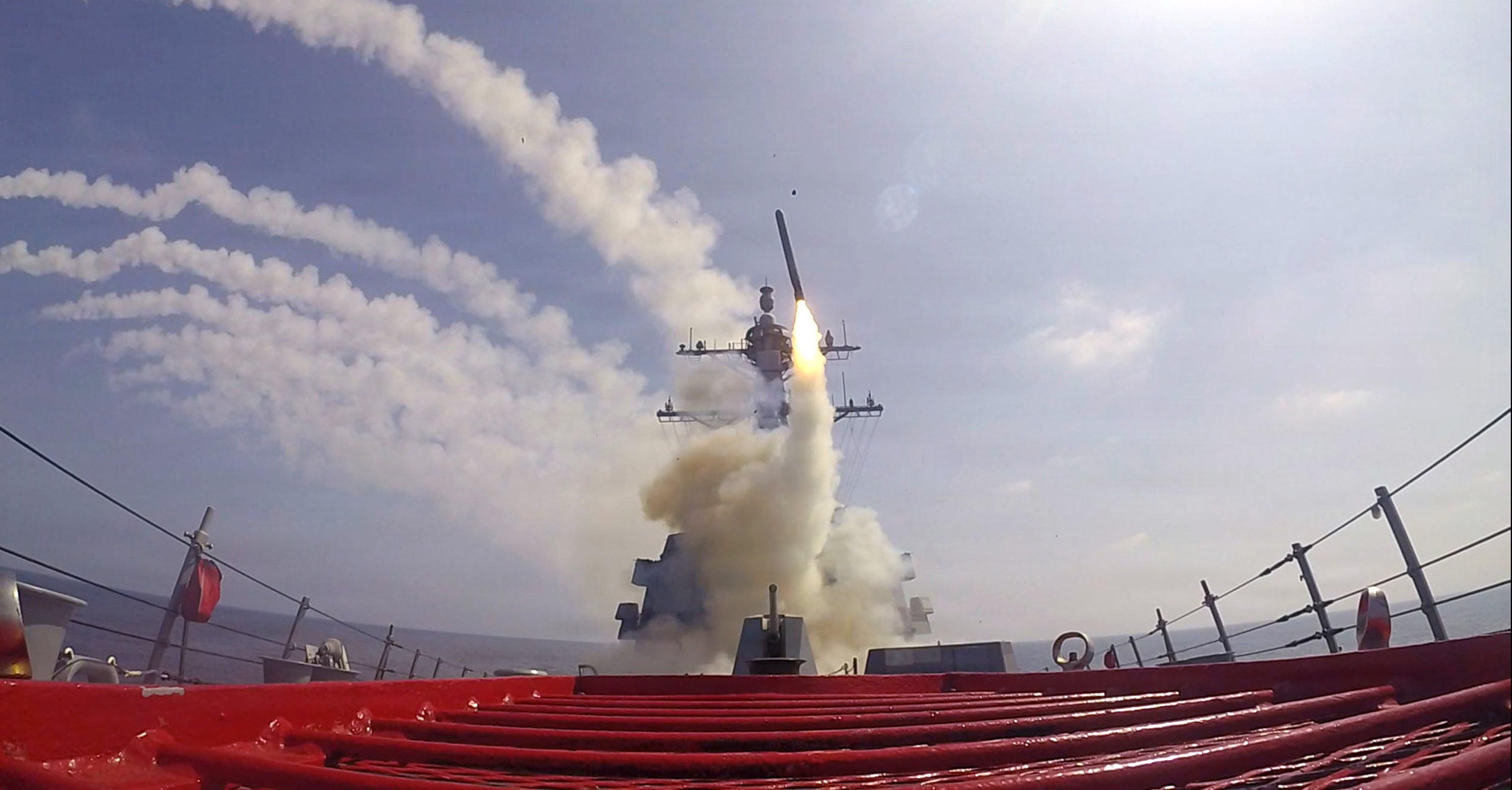 The Pentagon is leaning on weapons makers to speed up production, as the Iran war reportedly drains key munitions stockpiles (US Navy)
US Navy
The Pentagon is leaning on weapons makers to speed up production, as the Iran war reportedly drains key munitions stockpiles (US Navy)
US Navy
The Pentagon has told major weapons makers they have three weeks to propose faster delivery schedules or higher output for “critical capabilities” as the war with Iran burns through US stockpiles, according to a memo obtained by The Washington Post and described by The Independent. The August 5 directive, signed by deputy defense secretary Steve Feinberg, says multi-year development cycles are “unacceptable” and calls for program timelines to be “dramatically” accelerated.
The request lands in a familiar place: Washington fights wars with one set of inventories and budgets, then discovers that replenishment runs on peacetime procurement calendars. By giving industry a short deadline for revised production plans, the department is effectively admitting that existing contracts and capacity assumptions no longer match operational consumption. The Independent reports that manufacturers were summoned to the White House in July and urged to lobby Congress for another round of funding, turning the supply problem into a legislative whip count as much as an industrial one.
That approach also shifts part of the political risk to contractors. If companies publicly argue for emergency appropriations, they become the visible face of a war’s continuing cost, even as the Pentagon retains discretion over what counts as “critical” and how quickly requirements can change. The memo’s demand for speed collides with the realities that usually slow output—specialized components, workforce constraints, testing regimes, and the long lead times baked into missile and munitions supply chains. In practice, faster schedules can mean paying more for overtime, accepting less slack in quality control, or prioritising a narrower set of systems at the expense of others.
The Pentagon, for its part, framed the push as consistent with the administration’s intent. A spokesman told The Independent that working directly with industry leaders to accelerate production is not new, and pointed to a fiscal year 2027 budget being considered by Congress as a vehicle for “significantly” enhancing the effort. But the timing matters: when the department asks for expanded capacity mid-conflict, the debate is no longer about abstract readiness. It becomes a question of who signs the purchase orders, how quickly Congress appropriates, and whether the industrial base can surge without locking in expensive long-term commitments once the immediate crisis fades.
Feinberg’s memo gives contractors three weeks to explain how they would deliver faster. It does not say how long the war will last, or how much inventory the US is prepared to run down before those plans arrive.