
Jakarta sinks toward the Java Sea
El País links subsidence to groundwater pumping and unplanned growth, private water fixes accumulate into a citywide bill
Images
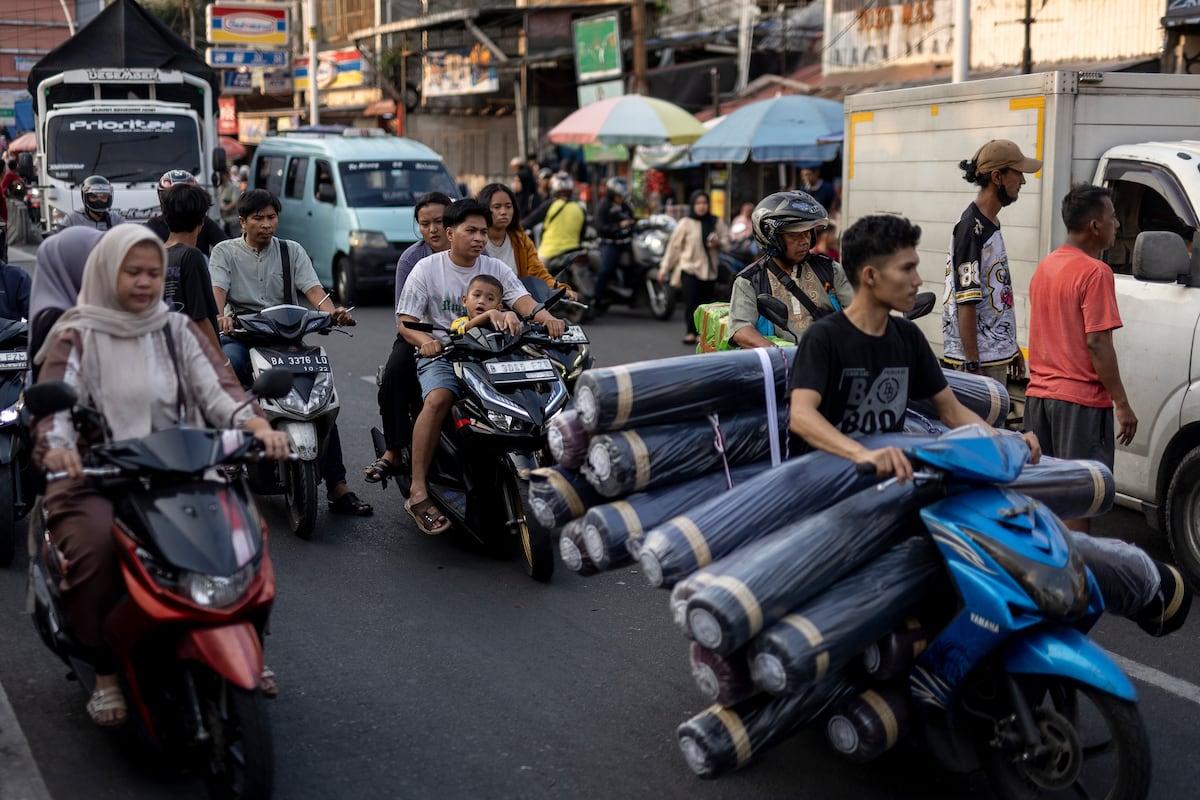 Jakarta, the world’s most populous city, is sinking into the Java Sea
english.elpais.com
Jakarta, the world’s most populous city, is sinking into the Java Sea
english.elpais.com
A city of roughly 42 million people is slowly dropping toward the Java Sea, and the cause is not a mystery. El País reports that Jakarta’s ground is subsiding as aquifers are drained to keep homes, factories and office towers supplied in a metropolis that grew far faster than its pipes, sewers and planning rules. The Indonesian capital began with fewer than one million residents after independence in 1945; today the UN estimate for Greater Jakarta puts it among the largest urban concentrations on earth.
The mechanics are simple but expensive. When households and businesses pull water from underground at scale, the soil compacts and the surface sinks; in low-lying coastal districts, that makes routine tides and seasonal rains harder to manage, and pushes flood risk into places that once stayed dry. El País describes a city built in layers: luxury malls and skyscrapers financed by commodity wealth alongside informal settlements edging polluted streams, all tied together by daily commutes and a constant search for work. Migrants arrive from rural Indonesia because the labour market is still larger than anywhere else; the price is congestion, haze and a patchwork of neighbourhoods that never received the basic infrastructure that would make groundwater extraction unnecessary.
The second-order effects are political as much as geological. When water and drainage are unreliable, families and small firms solve it privately—digging wells, buying storage, paying for deliveries—until the cumulative damage becomes a collective bill. Once subsidence turns into chronic flooding, the costs shift again: emergency response, road repairs, pumping, and the slow loss of usable land. The city’s visible inequality, as reported by El País, also becomes an engineering constraint: the districts most exposed to polluted rivers and low elevation are typically the ones least able to pay for alternatives, while the formal economy depends on their labour to keep transport, street commerce and services running.
Jakarta is not unique; it is a concentrated version of a pattern seen in fast-growing megacities where population expands faster than state capacity. The urban economy rewards speed—new housing, new workshops, new roads—while the boring assets that prevent long-term failure, like water networks and land-use enforcement, arrive late or not at all. Once millions of people are locked into a geography that is physically sinking, the policy menu narrows to triage: protect some areas, retreat from others, and ration the infrastructure upgrades that would have been cheaper decades earlier.
El País’ photographs from July show children playing, commuters wedged into trains and motorcycles, and street vendors working beside dark water in the Ciliwung River. The city still runs every morning on the assumption that tomorrow’s ground will be where today’s was.