
US Joint Chiefs chair seeks Iran war off-ramp
CNN report describes private warnings to Vance and Rubio, White House hunts leakers as stockpile questions multiply
Images
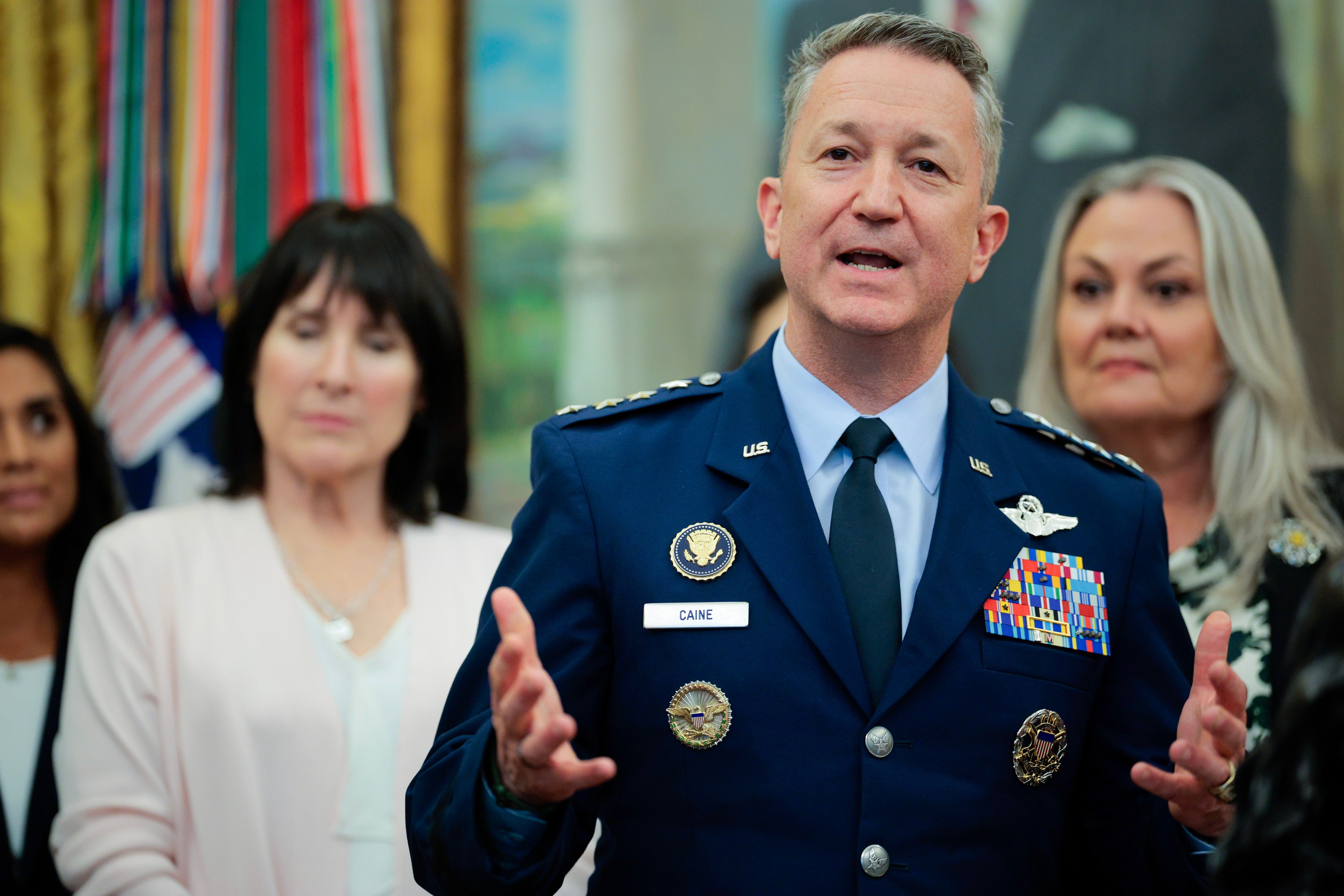 President Donald Trump’s Chairman of the Joint Chiefs, General Dan Caine, is seeking an 'off-ramp' from the ongoing war in Iran, according to a new report (Getty Images)
Getty Images
President Donald Trump’s Chairman of the Joint Chiefs, General Dan Caine, is seeking an 'off-ramp' from the ongoing war in Iran, according to a new report (Getty Images)
Getty Images
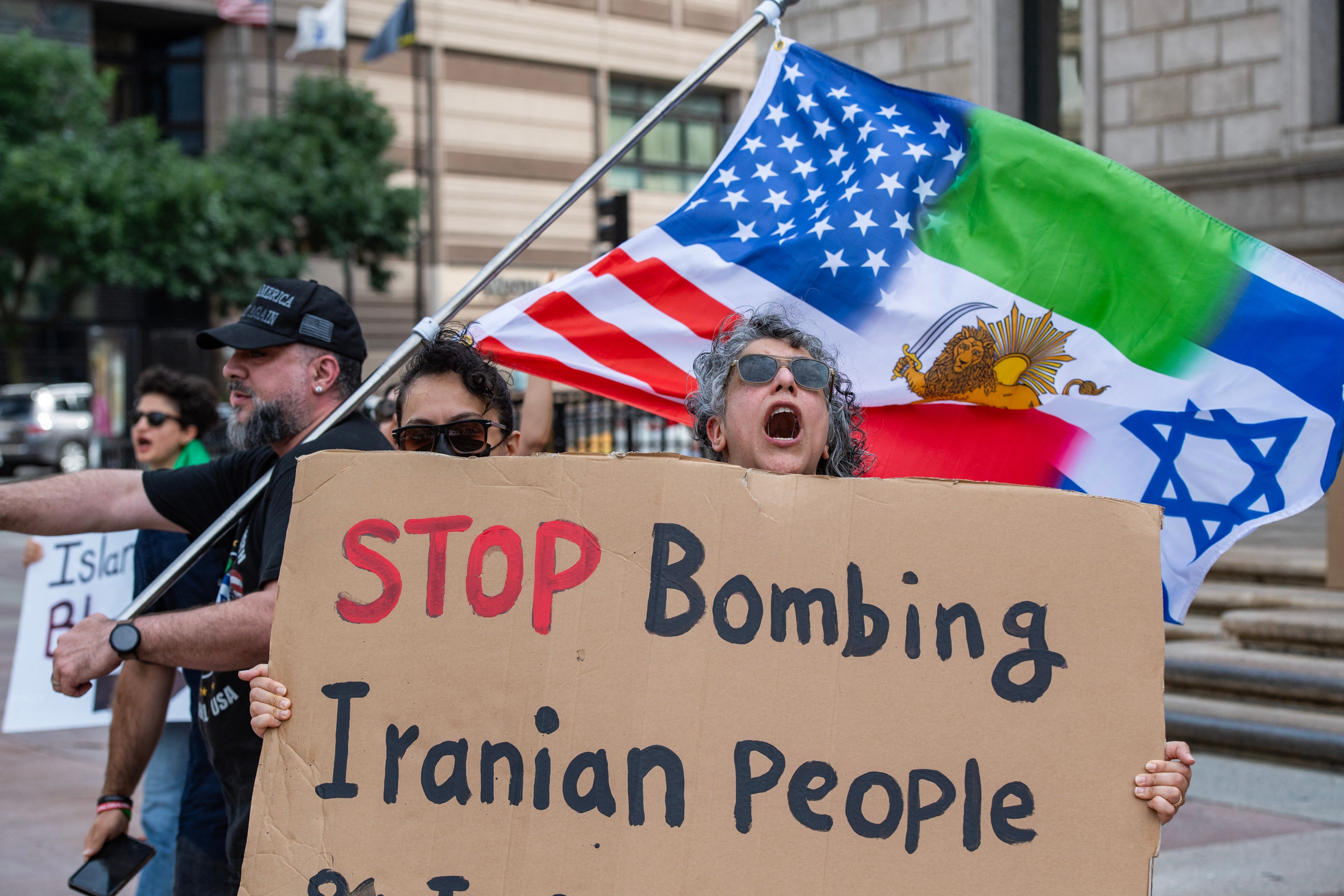 The Iran war, which is both costly and unpopular with Americans, has dragged on for more than five months (AFP via Getty Images)
AFP via Getty Images
The Iran war, which is both costly and unpopular with Americans, has dragged on for more than five months (AFP via Getty Images)
AFP via Getty Images
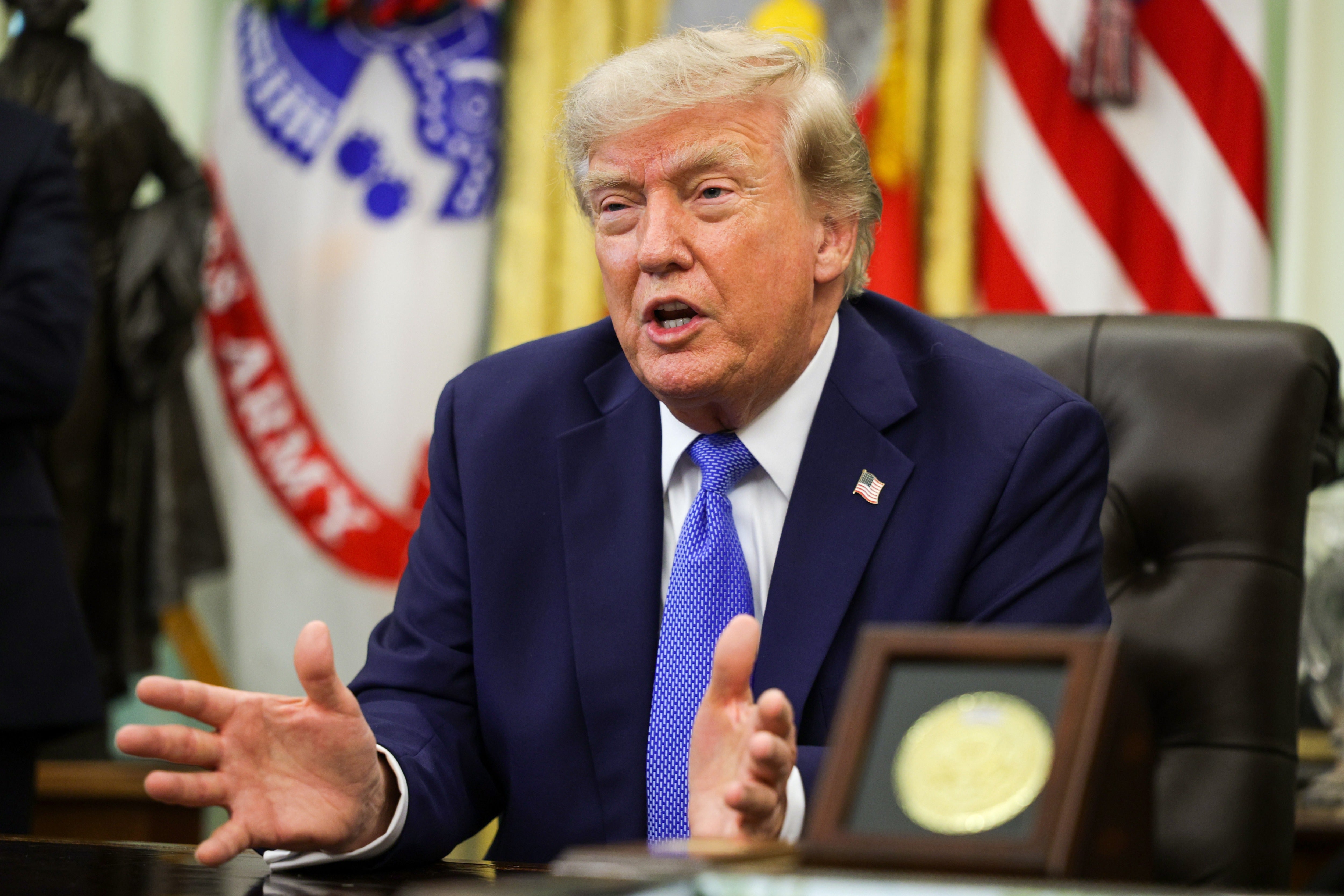 Despite Trump claiming throughout the war that a peace deal was within reach, fighting has dragged on (Getty Images)
Getty Images
Despite Trump claiming throughout the war that a peace deal was within reach, fighting has dragged on (Getty Images)
Getty Images
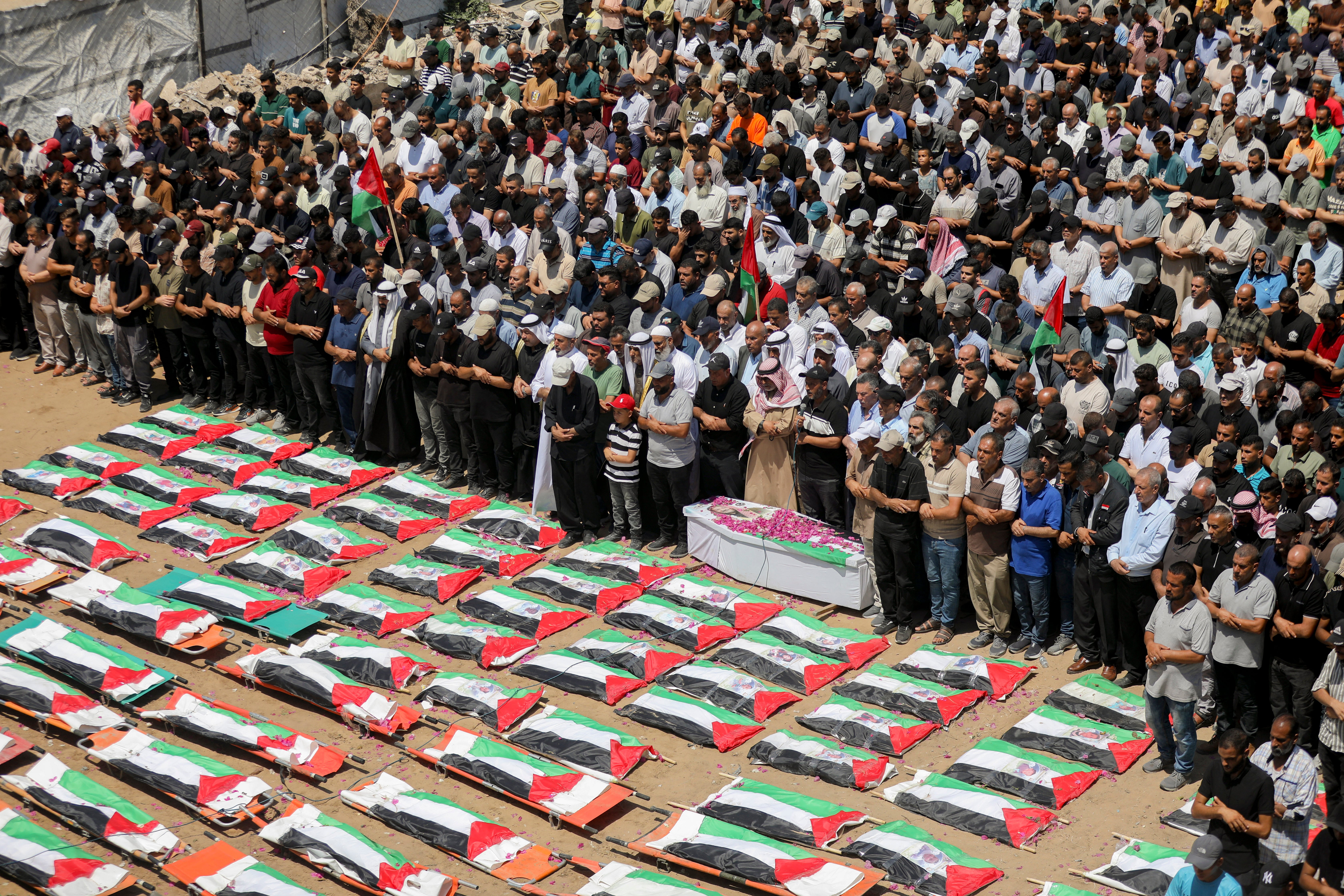 Mourners stand near bodies wrapped in Palestinian flags during a mass funeral in Gaza City, Gaza Strip, (AFP/Getty)
AFP/Getty
Mourners stand near bodies wrapped in Palestinian flags during a mass funeral in Gaza City, Gaza Strip, (AFP/Getty)
AFP/Getty
 independent.co.uk
US military leaders are privately pressing for a way out of the five-month war with Iran, even as President Donald Trump publicly insists a deal is close and denies reports of dwindling munitions. The Independent, citing CNN, reports that the chairman of the Joint Chiefs of Staff, General Dan Caine, has told senior officials the United States needs an “off-ramp” from the conflict, and has been meeting with figures including Vice President JD Vance and Secretary of State Marco Rubio to map the limits of available options.
The gap between the public message and the internal briefings has widened as the campaign’s costs become harder to hide. Trump has framed the war largely as an air operation, leaning on strikes rather than ground deployments, and has repeatedly suggested that pressure will force Tehran into a favorable agreement—particularly around his demand that Iran never obtains a nuclear weapon. But officials quoted by CNN doubt that airpower alone can deliver the leverage the White House is advertising, a view that matters because it shifts the question from “how hard to hit” to “how long can the US keep hitting.”
That constraint is increasingly measured in inventories and appropriations. Reuters has reported, via unnamed sources, that the Army has used “virtually all” of certain long-range surface-to-surface weapons in the campaign, a claim Trump has attacked while threatening long prison terms for leakers. The Independent also points to a separate concern: interceptor stocks. It cites Center for Strategic and International Studies figures showing pre-war holdings and estimates of remaining Patriot and THAAD interceptors, underscoring that the war’s defensive layer is being consumed alongside the offensive one. At the same time, Defense Secretary Pete Hegseth has told lawmakers that operations have cost an estimated $37.5 billion and has asked Congress for an additional $67 billion to replenish stockpiles—turning battlefield tempo into a budget negotiation.
The political exposure is not limited to Washington. Energy markets have been a running referendum on the campaign, with the Independent noting US gasoline prices above $4 a gallon and reporting on oil price moves as the Strait of Hormuz remains a live vulnerability. Trump has said the strait is “sort of open,” while acknowledging Iran could still mine or strike shipping—an admission that control is not the same as safety. A US official quoted by Reuters in the Independent’s live coverage said progress is being made in talks involving Oman and suggested the US would lift its blockade of Iranian ports once commercial shipping can resume without impediment, tying de-escalation to compliance benchmarks rather than a declared end-state.
For now, the administration is hunting leakers while its top general is described as hunting an exit. The war continues to run on aircraft sorties, appropriations hearings, and the remaining missiles on the shelf.