
Venezuela government and opposition open US-backed talks in Caracas
Dinorah Figuera leads delegation chosen by Washington, identical statement promises sessions until August 12
Images
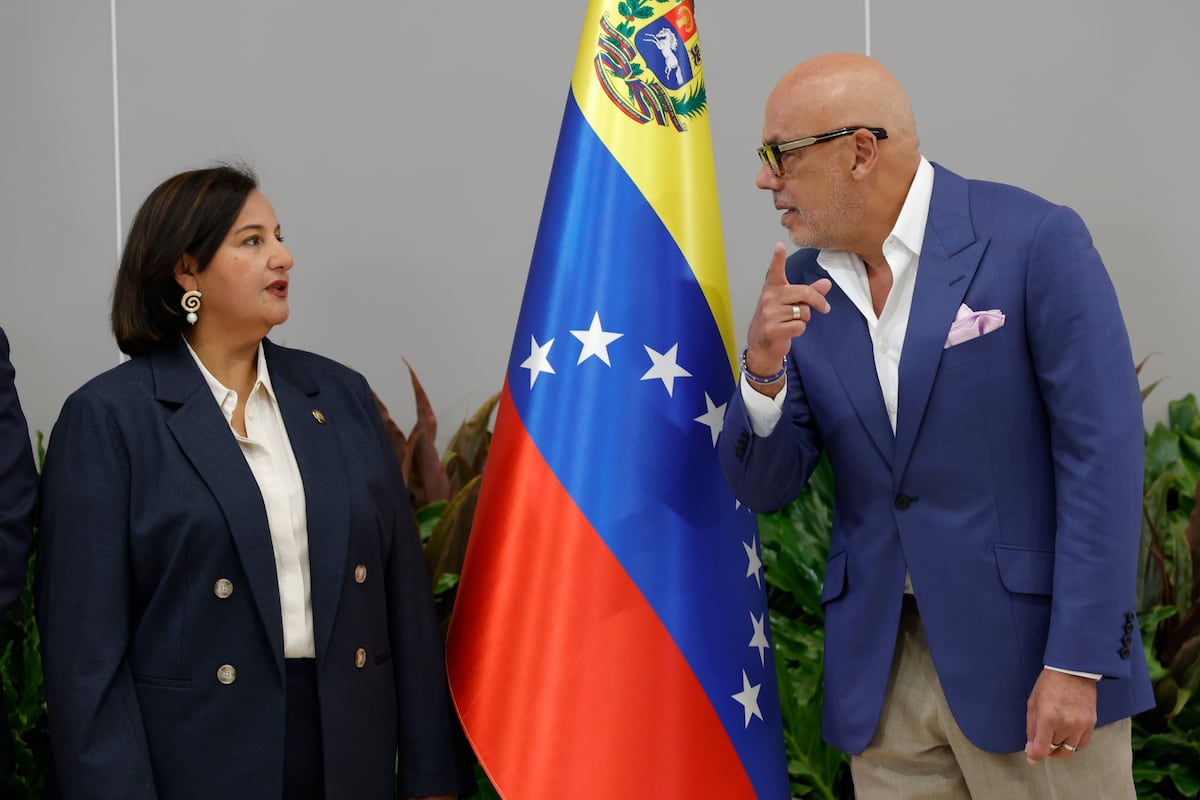 Chavismo and the Venezuelan opposition hold first meeting under US supervision
english.elpais.com
Chavismo and the Venezuelan opposition hold first meeting under US supervision
english.elpais.com
Venezuela’s Chavista authorities and a US-backed opposition delegation held their first formal meeting on August 6 behind closed doors at Caracas’s La Carlota Convention Center, according to El País. The government side was led by National Assembly president Jorge Rodríguez; the opposition was represented by Dinorah Figuera, the figure Washington selected to lead the negotiations. Press were kept out, but both delegations posed for an official photograph before issuing an identical statement.
The joint text promised “continuous working sessions” through August 12, when the parties will decide whether to extend talks. It listed familiar principles—sovereignty, good-faith negotiation, political equality, “verifiable fulfillment of commitments,” and protection of human and political rights—without describing concrete steps or enforcement mechanisms. The US State Department released its own statement during the meeting calling the dialogue a “unique opportunity,” and El País reports the process was designed in Marco Rubio’s office as part of a three-phase plan framed around stabilization, economic recovery, and political reconciliation leading to a “peaceful transition.”
The cast of negotiators underlines how much of Venezuela’s political dispute has been internationalized over the past decade. On the opposition side, El País says the delegation is drawn from the 2015 National Assembly, the body recognized by Washington during Donald Trump’s first administration after the opposition won a qualified majority; that victory later fed into Juan Guaidó’s interim administration. On the Chavista side, the delegation includes senior figures and sitting officials, including a minister of University Education, along with well-known party operators. The meeting’s setting—inside the La Carlota military complex—also places the talks physically under the shadow of the security apparatus that has helped Chavismo outlast repeated challenges.
The agenda, announced after an August 1 phone call, begins with assistance for those affected by Venezuela’s earthquakes and then moves into institutional questions: strengthening democracy and guarantees of civil and political rights. Within that broad framing, El País says the conversation is expected to touch on renewing electoral and judicial authorities and lifting bans on political parties. Those are the levers that determine whether elections are a contest or a ritual, but they are also the levers the incumbent side has the strongest reason to keep.
For Washington, the design choice—selecting the opposition’s lead negotiator and publicly blessing the process—also concentrates responsibility. If talks stall, the failure will be harder to pin on “Venezuelans not talking,” and easier to pin on the terms under which they were asked to talk.
The only public artifact from day one was a photograph and two matching statements. The parties will return to the same room until August 12.