
Argentina posts immigration raid video
Milei decrees tighten residency and hospital access, UK admits Afghan allies face Taliban risk but shifts escape costs onto families
Images
 Javier Milei in Buenos Aires in July. Photograph: Luis Robayo/AFP/Getty Images
theguardian.com
Javier Milei in Buenos Aires in July. Photograph: Luis Robayo/AFP/Getty Images
theguardian.com
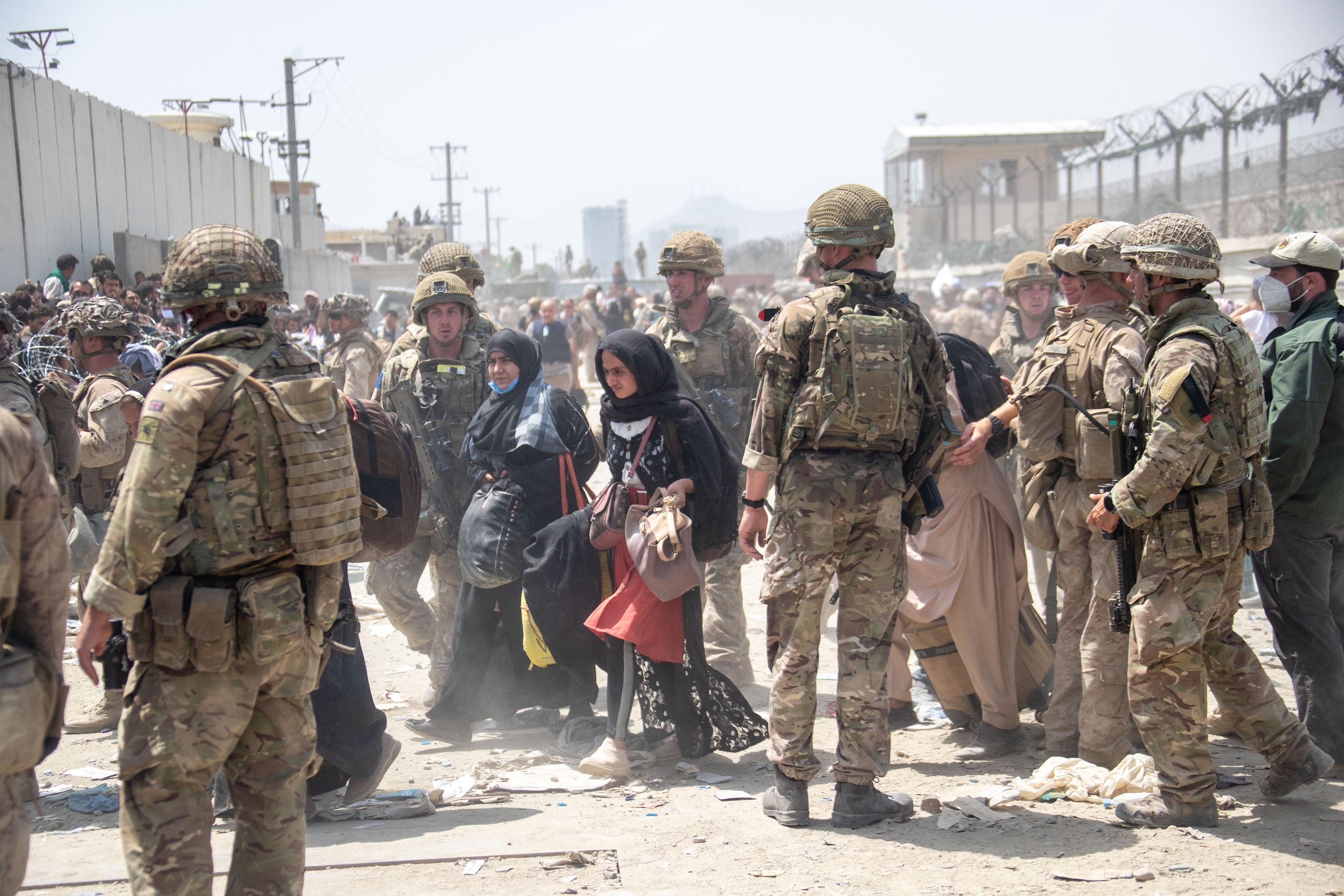 The British armed forces work with the U.S. military to evacuate eligible civilians and their families out of the country on August 21, 2021 in Kabul, Afghanistan. (MoD Crown Copyright via Getty Images)
MoD Crown Copyright via Getty Images
The British armed forces work with the U.S. military to evacuate eligible civilians and their families out of the country on August 21, 2021 in Kabul, Afghanistan. (MoD Crown Copyright via Getty Images)
MoD Crown Copyright via Getty Images
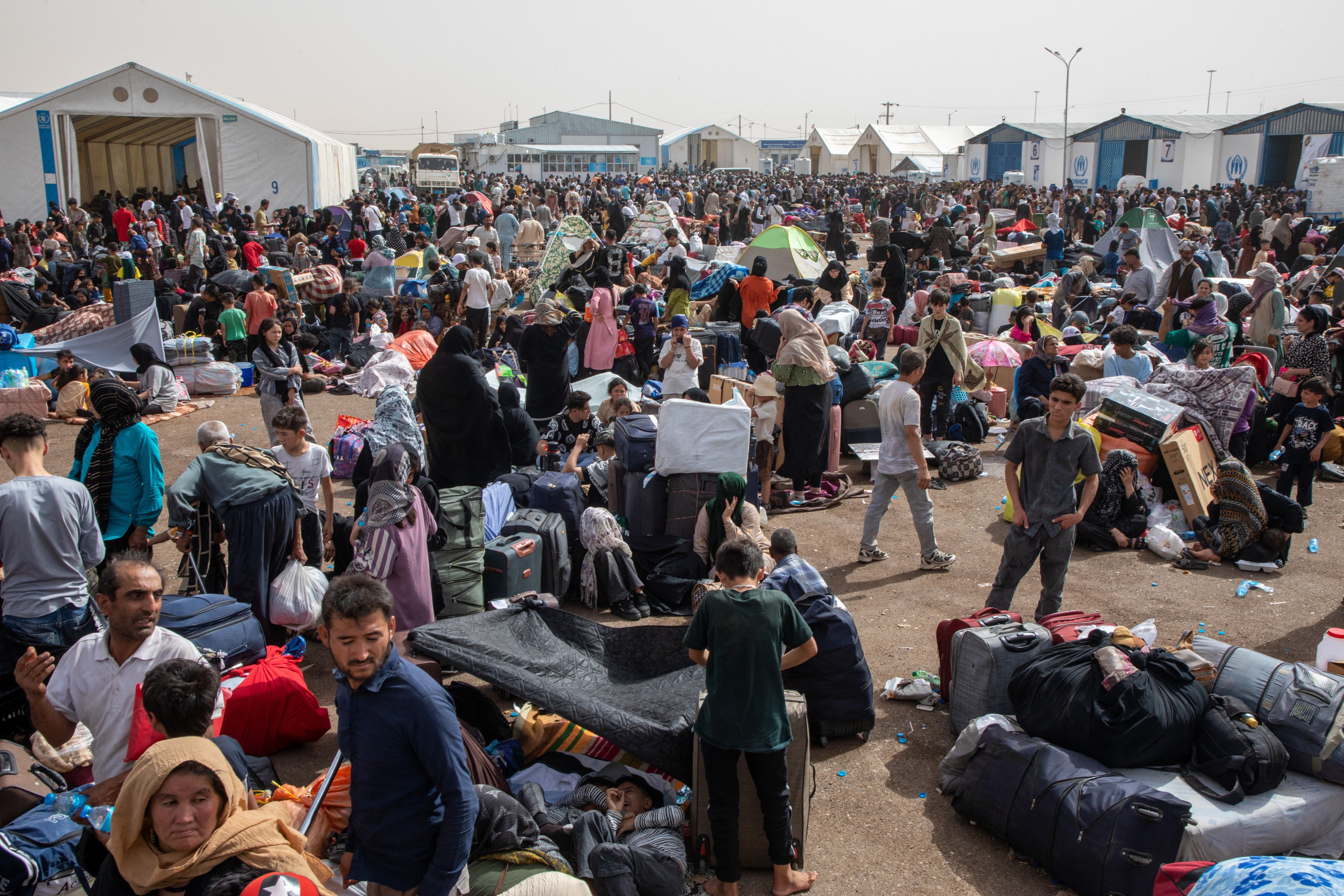 Afghan deportees sit near the border at Islam Qala crossing on 4 July 2025. Mass expulsions from Iran surged after the start of the US-Israel offensives (Middle East Images/AFP via Getty)
Middle East Images/AFP via Getty
Afghan deportees sit near the border at Islam Qala crossing on 4 July 2025. Mass expulsions from Iran surged after the start of the US-Israel offensives (Middle East Images/AFP via Getty)
Middle East Images/AFP via Getty
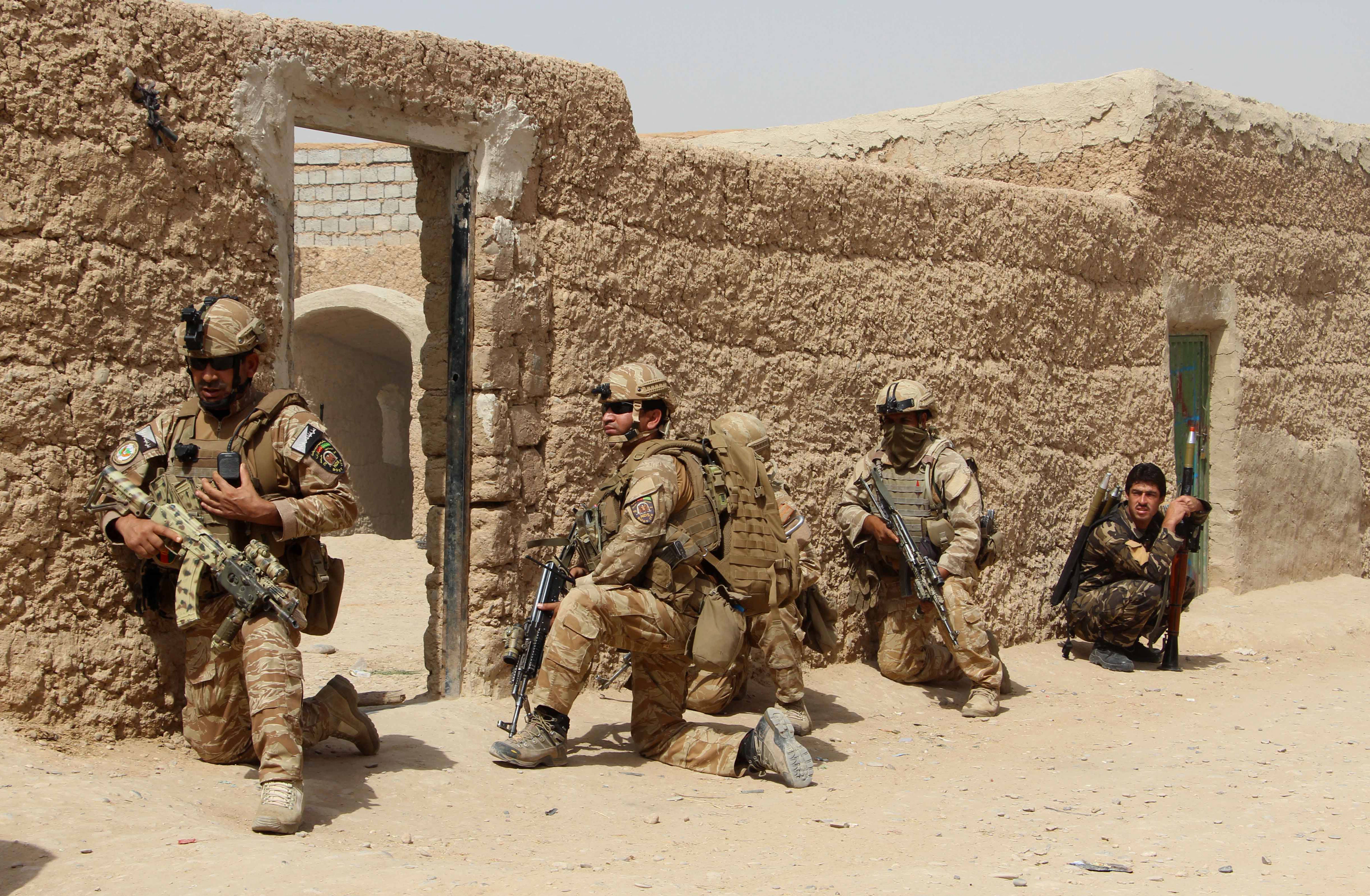 Afghan National Army commandos take position during a military operation in Helmand province in October 2016. Former security personnel are now at risk of persecution from the Taliban (AFP via Getty Images)
AFP via Getty Images
Afghan National Army commandos take position during a military operation in Helmand province in October 2016. Former security personnel are now at risk of persecution from the Taliban (AFP via Getty Images)
AFP via Getty Images
Argentina’s government has posted a slickly edited video of an immigration raid in Buenos Aires showing a 60-year-old woman led away in handcuffs by federal police, her face unblurred, as the words “Illegal foreigner or criminal record? Out!” flash on screen. The Guardian reports the operation took place in February 2024, but the clip has circulated anew and drawn scrutiny because the woman—who asked to be identified only by initials, PLS—was released minutes later. In a separate video, authorities described her as a Peruvian national subject to an arrest warrant for fraud and robbery; her lawyer says no such warrant existed.
The footage is not just enforcement but messaging. According to the Guardian, President Javier Milei’s administration has expanded immigration checks into larger operations involving immigration agents and federal police, and has turned raids in poorer, traditionally immigrant neighbourhoods into public spectacles. Milei, who has publicly admired Donald Trump, has also pushed immigration changes by decree rather than through Congress, including tighter rules for permanent residency and new requirements that immigrants prove they can support themselves.
That last condition lands in an economy where more than 40% of workers are employed informally, making “proof” less about stability than paperwork. The government has also narrowed access to free public hospitals, previously available to everyone, limiting it to permanent residents except in emergencies. The result is a system where the state sets the eligibility rules, controls the documents that demonstrate compliance, and then uses high-visibility raids to advertise that it is enforcing the rules it just rewrote.
Across the Atlantic, Britain is wrestling with a different kind of migration optics: the people it already promised to bring in. The Independent reports that the UK Ministry of Defence has acknowledged that thousands of Afghans accepted for resettlement may still face Taliban threats, including former commandos who served alongside UK special forces. Yet Britain is not currently helping them flee Afghanistan; instead, eligible Afghans must make their own way to Pakistan, where they are housed and scheduled for flights.
Internal MoD documents cited by the Independent describe residual risks that can increase when families try to obtain travel documents, and a UN mission report documented killings and arbitrary detentions of former Afghan security personnel in spring 2026. Campaigners describe a “two-tier system” in which those who can afford the journey to Pakistan move, and those who cannot remain exposed.
In Buenos Aires, PLS says she was driven around the block and told she was free. In London, officials say the risk to Afghans is “real” but still leave the first step—getting out—to the people they already accepted.