
Heat and drought force Poland to curb coal generation
Low river levels cut cooling water at major plants, Europe’s summer stress test hits both fossil and hydro output
Images
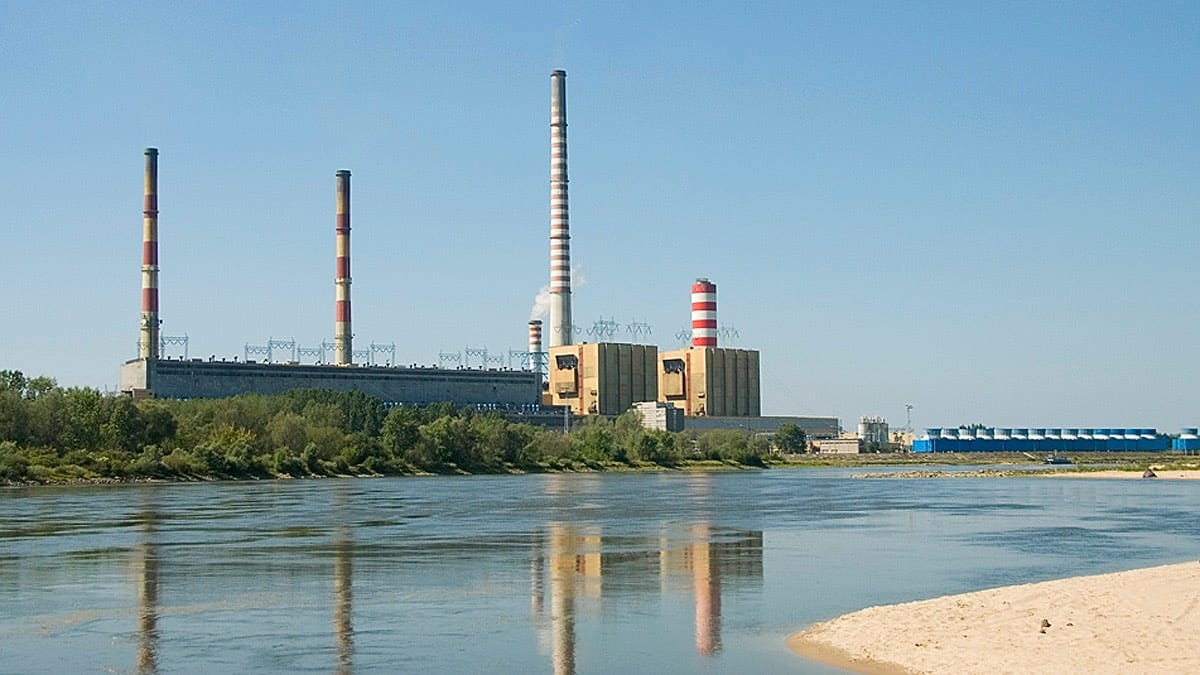 Why Europe’s drought is exposing Poland’s coal addiction
euronews.com
Why Europe’s drought is exposing Poland’s coal addiction
euronews.com
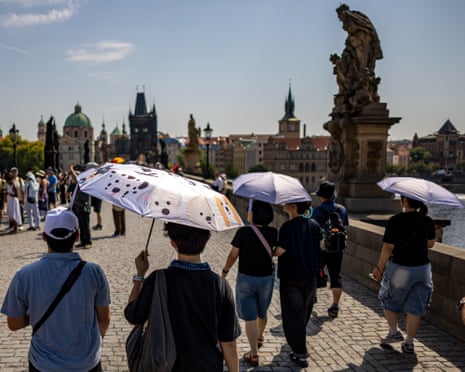 People shade themselves with umbrellas in Prague, Czechia, this week. Photograph: Martin Divíšek/EPA
theguardian.com
People shade themselves with umbrellas in Prague, Czechia, this week. Photograph: Martin Divíšek/EPA
theguardian.com
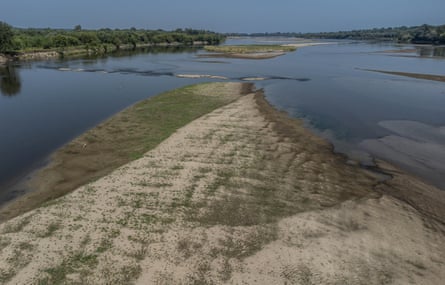 Low water levels in Poland’s Vistula River on Thursday. Photograph: Wojtek Jargiło/EPA
theguardian.com
Low water levels in Poland’s Vistula River on Thursday. Photograph: Wojtek Jargiło/EPA
theguardian.com
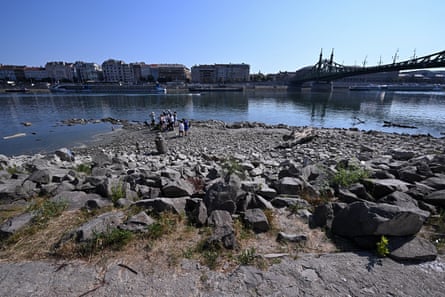 Environmental experts examine part of the Danube riverbed in Budapest on Thursday. Photograph: Attila Kisbenedek/AFP/Getty Images
theguardian.com
Environmental experts examine part of the Danube riverbed in Budapest on Thursday. Photograph: Attila Kisbenedek/AFP/Getty Images
theguardian.com
Poland has been forced to curb output at two coal-fired power plants after drought pushed the Vistula River to critically low levels, cutting the cooling water those facilities depend on. According to Euronews, utility Enea reduced generation at the Kozienice and Połaniec plants after limited river water removed about 1.3GW from the system. The Guardian reports record temperatures across parts of central and eastern Europe, with heat and dryness now feeding directly into electricity supply constraints.
The immediate problem is mechanical: large thermal plants need vast volumes of water to stay online, and rivers that double as transport corridors and cooling sources cannot be assumed to cooperate during extreme summers. Euronews notes that near Kozienice the river flow fell so low that the plant’s cooling withdrawals can amount to more than half of what remains, turning an engineering input into a political decision about who gets the last water in the channel. The same weather pattern is also shaving output from hydropower, with Montel figures cited by Euronews showing July production far below normal in Austria and Switzerland, and materially lower in Germany and France as well.
That combination—less hydro at the same time as thermal plants hit cooling limits—narrows the room for error. When the grid needs more power for air conditioning, it is precisely the moment when water-dependent generation becomes least reliable. The Guardian adds that wildfire conditions are breaking seasonal records and that roughly half a million hectares have burned across the EU so far this year, with additional large areas burned in Ukraine, tying the energy story to a broader infrastructure and emergency-services burden.
Poland’s predicament is also a reminder that capacity figures on paper do not equal deliverable power in a drought. Euronews cites Ember data that Poland still relies on coal for more than half of its electricity generation, while wind and solar make up a smaller share than the EU average even after rapid solar additions in recent years. Environmental group EKO-UNIA argues that an energy system built around large thermal plants loses resilience as rivers dry up; Euronews also reports plans to build a gas-fired plant at the Kozienice site, which would keep the same basic dependence on cooling water.
Polish Prime Minister Donald Tusk urged employers to provide air conditioning and cold water to staff, the Guardian reports—an appeal that underlines how quickly a heatwave becomes an economy-wide productivity issue, not just a health warning. In Germany, the Robert Koch Institute estimated that thousands have died from heat this summer, according to the Guardian, sharpening the political pressure to treat energy reliability and public health as the same problem.
For now, the constraint is visible on a single river gauge: when the Vistula runs low, gigawatts disappear, and the grid operator has to make up the difference elsewhere.