
Cuba weighs Trump Island resort proposal
Foreign investor seeks naming deal on Cayo Santa María as sanctions drive corporate exits, Havana says US law is the real barrier
Images
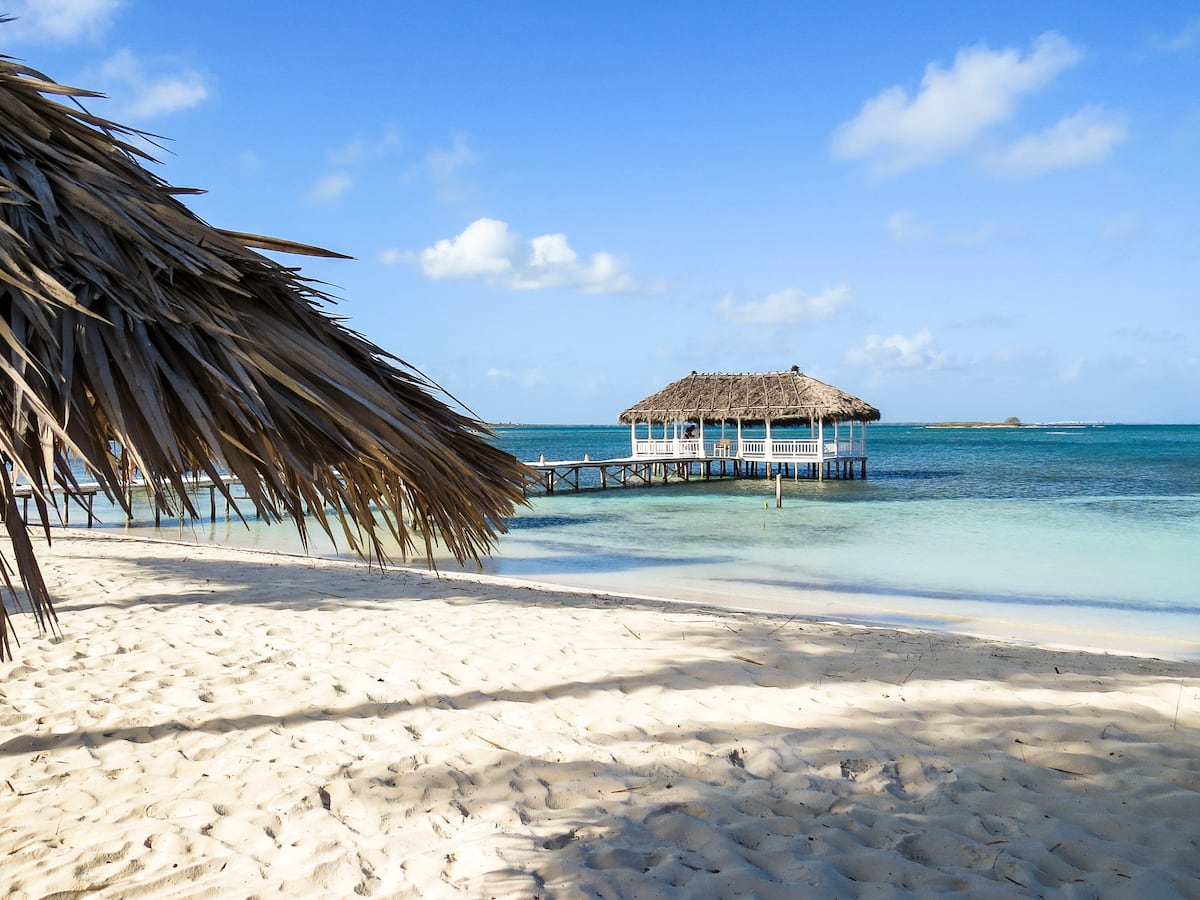 Cuban government open to the idea of an Arab investor to develop ‘Trump Island’
english.elpais.com
Cuban government open to the idea of an Arab investor to develop ‘Trump Island’
english.elpais.com
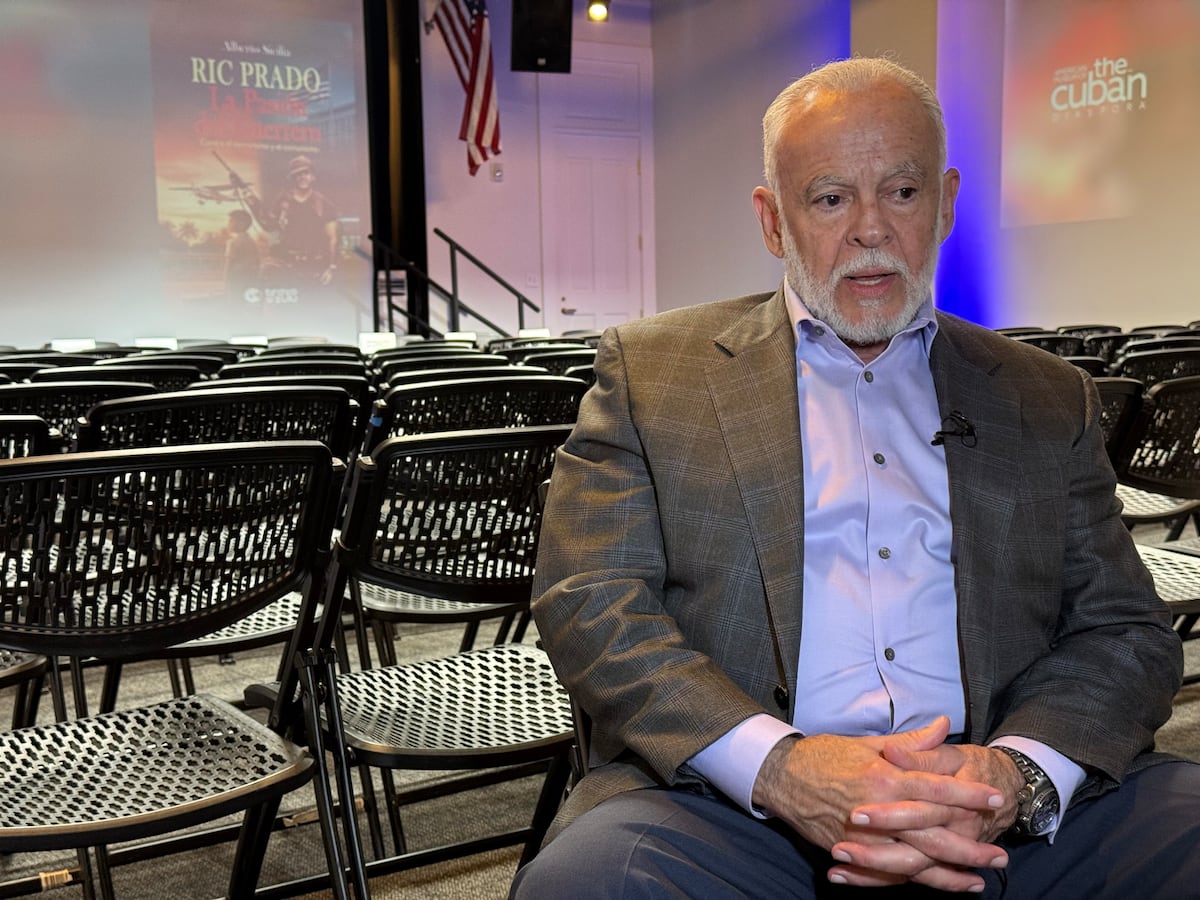 Ric Prado, ex-CIA officer: ‘Cuba is the next apple to fall from the tree’
english.elpais.com
Ric Prado, ex-CIA officer: ‘Cuba is the next apple to fall from the tree’
english.elpais.com
Cuba’s government is entertaining a proposal to rename a small tourist cay “Trump Island” and build an exclusive resort there, even as US sanctions and corporate exits tighten the island’s economic squeeze. El País reports that the project would be located on Cayo Santa María and includes two towers topped with golden domes; the promoter says a letter of intent to acquire land has been signed, while Havana has yet to issue a formal response.
The pitch comes from Ali Bin Haidar, president of a Dubai-based group, who told the Abu Dhabi outlet The National that his team is ready to enter Cuba once US sanctions are lifted, according to El País. The same reporting describes a Cuban tourism push that is no longer limited to incremental hotel refurbishments: investors were shown inactive hotels, empty cruise terminals, undeveloped coastal zones, international airports and marinas. The proposal’s branding is unusually direct—renaming “El Cayo” to “Trump Island”—and it is being floated under an administration in Washington that, El País says, has imposed sanctions since January and revived Cold War-style tensions.
The economic backdrop is a retreat by firms that previously absorbed political risk in exchange for beach access. El País lists departures and suspensions that include a Canadian miner, Spanish hotel chains, a German shipping company and a Spanish airline, alongside payment networks such as Visa and Mastercard. Each exit narrows the practical channels through which tourists arrive, supplies are shipped, and revenue is collected, turning “foreign investment” into a search for partners willing to operate with fewer financial rails.
Havana’s public posture is to keep the door open even to the man associated with the sanctions. Cuba’s vice foreign minister Carlos Fernández de Cossío told The New York Times he was aware of the idea and did not oppose Donald Trump investing in Cuba “if done peacefully,” El País reports. The obstacle, he said, is US law rather than Cuban policy—a neat way to signal flexibility without promising that any particular investor will actually be allowed to build, repatriate profits, or hire freely.
The second source El País pairs with the resort story is a reminder that Cuba is not just a tourism market but also a target of US security attention. In an interview, former CIA officer Enrique “Ric” Prado argued that after the war with Iran ends, the White House will “focus again on Cuba,” and said the combination of Trump and Secretary of State Marco Rubio has accelerated efforts that had been stalled for decades. Whatever the merits of the forecast, it sits awkwardly beside a resort proposal that depends on sanctions being lifted and on US political actors tolerating high-profile Trump-branded business in a country Washington is simultaneously pressuring.
Construction is described as potentially starting at the end of 2026 if the project is confirmed. For now, the most tangible asset is the name being marketed before the legal conditions to use it exist.