
ICE arrests Johns Hopkins researcher at Baltimore airport
Disclosures show TSA passenger data shared for immigration enforcement, congressional testimony collides with internal memorandums
Images
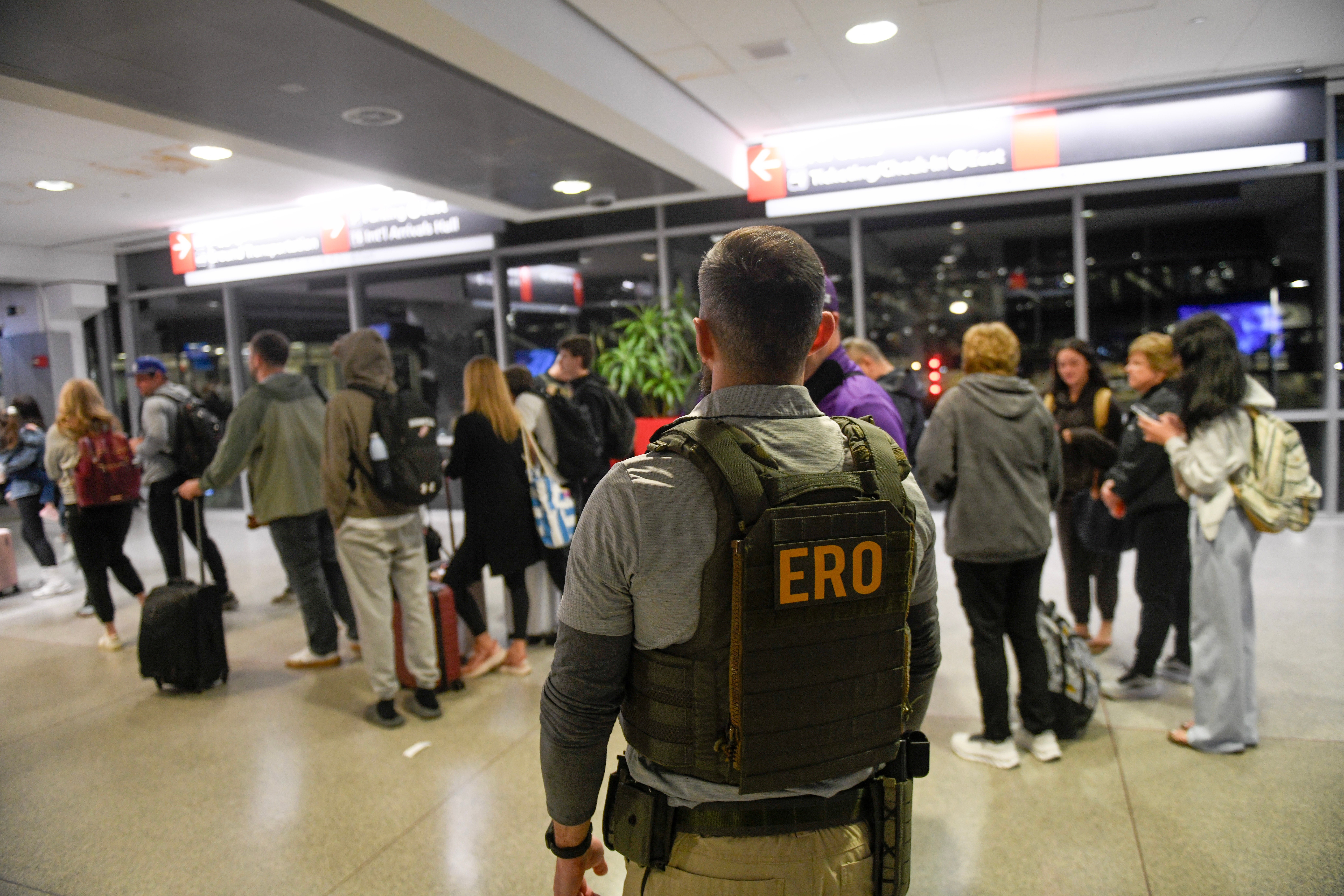 A public health researcher at Johns Hopkins University was arrested while boarding a domestic flight in Baltimore, the latest ICE arrest in apparent coordination with TSA (Getty)
Getty
A public health researcher at Johns Hopkins University was arrested while boarding a domestic flight in Baltimore, the latest ICE arrest in apparent coordination with TSA (Getty)
Getty
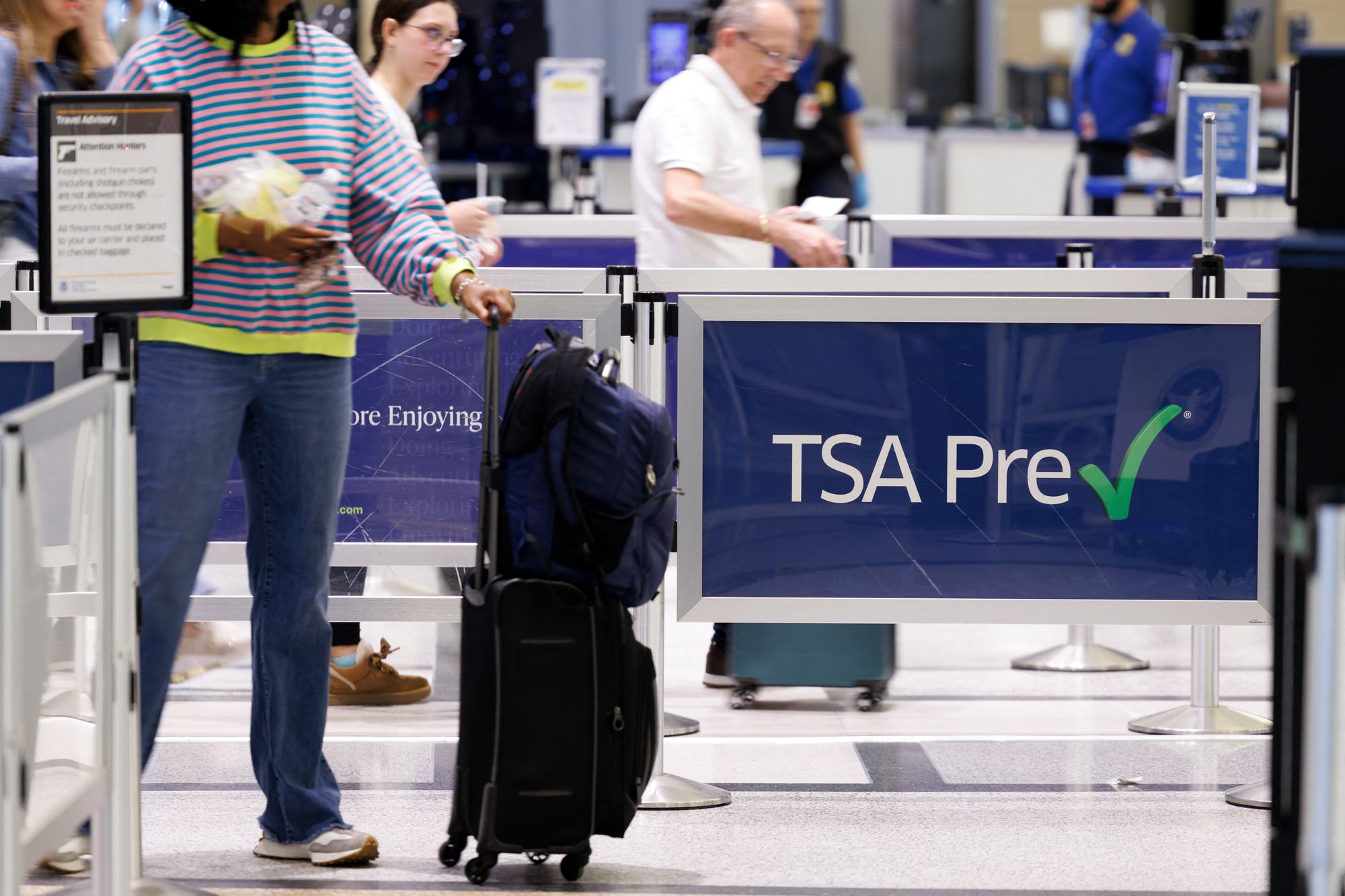 Newly released documents reveal an apparent data-sharing agreement between ICE and TSA to identify immigrants traveling in American airports who could be targets for removal from the country (AFP/Getty)
AFP/Getty
Newly released documents reveal an apparent data-sharing agreement between ICE and TSA to identify immigrants traveling in American airports who could be targets for removal from the country (AFP/Getty)
AFP/Getty
Federal agents arrested a Johns Hopkins public health researcher while she was boarding a domestic flight at Baltimore-Washington International Thurgood Marshall Airport, amid newly disclosed agreements that expand coordination between immigration enforcement and aviation security. The Independent reports that Fatima Ameaka, a senior analyst at Johns Hopkins’ Center for Outbreak Response Innovation, was taken into custody by immigration officers who alleged she overstayed her visa. Johns Hopkins said it was “deeply concerned” and that Ameaka was traveling in a personal capacity.
The arrest lands in the middle of an administrative build-out that turns airports into enforcement chokepoints. According to The Independent, memorandums detailing a data-sharing agreement give Immigration and Customs Enforcement access to passenger information originally collected for aviation security. TSA, the report says, provides ICE with names and birth dates of travelers believed to have been ordered removed by an immigration court judge, allowing officers to identify and arrest people inside terminals rather than through workplace raids or traffic stops.
The paper trail matters because it does not match public testimony. The Independent cites newly disclosed agreements obtained by watchdog group American Oversight indicating ICE and TSA have worked together since at least May 2025, and says the documents appear to contradict congressional testimony from acting TSA administrator Ha Nguyen McNeill. In an exchange described in the report, Representative Dan Goldman asked whether ICE shares information with TSA to determine if passengers have been ordered removed; McNeill responded that TSA does not send information to ICE, but helps ICE check against information.
For universities and research institutions, the immediate effect is practical rather than rhetorical: international staff and students can be detained at routine travel points, and employers are left to assemble legal support after the fact. The Independent notes that reasons for visa overstays can include delays in renewals or attempts to seek permanent legal status. The Department of Homeland Security, meanwhile, framed detention as voluntary, with a spokesperson quoted saying: “Being in detention is a choice.”
Ameaka was reported to have been held at the South Louisiana ICE Processing Center. She was arrested while trying to board a domestic flight.