
Cuba power grid collapses twice in one day
El País says nationwide blackouts now counted in double digits, households rebuild the energy system with candles batteries and informal fuel
Images
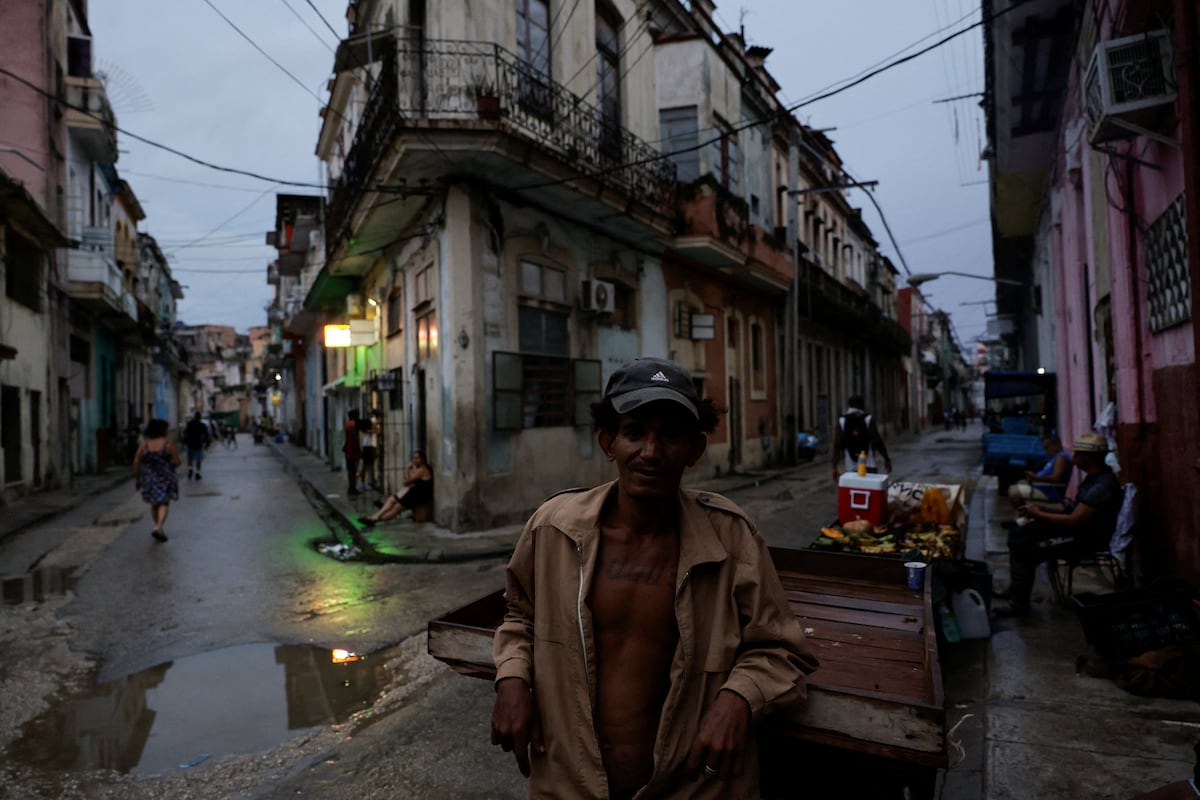 Cuba in the dark: ‘There are days that go by, the full 24 hours, without electricity’
english.elpais.com
Cuba in the dark: ‘There are days that go by, the full 24 hours, without electricity’
english.elpais.com
Cuba’s national power grid collapsed twice in less than a day as operators tried to restore service after an earlier failure, according to El País. The latest outage cut electricity to the island’s roughly nine million residents, with the state utility Unión Eléctrica later reporting that only a fraction of Havana had power back. The paper describes the episode as the seventh nationwide collapse this year and the eleventh in the past two years.
El País draws a distinction Cubans know by feel: routine “blackouts” that rotate by neighbourhood, and a full system collapse in which no electricity is generated anywhere on the island. In recent weeks, the report says, scheduled outages have stretched beyond 20 hours even in Havana and reached multiple days in some provinces, turning refrigeration, cooking, transport and basic communications into intermittent services. One resident in Matanzas told the newspaper she learned about the grid failure three days later because both electricity and mobile service were down.
The government blamed the most recent failure on weather affecting generating units that were online. But the paper quotes energy expert Jorge Piñón arguing the weak point is not only generation but transmission: once a line trips, interconnected circuits can fall “like dominoes,” leaving power plants producing electricity that cannot be delivered. That kind of fragility matters because the state grid is a single national system with few redundancies and little room to isolate faults; when it goes, it goes everywhere.
Fuel constraints sit behind the technical story. El País reports that U.S. sanctions have worsened Cuba’s energy situation, and links this year’s deterioration to a U.S. campaign that included actions against Venezuela—described as Cuba’s main fuel supplier—and efforts to block tankers bound for Havana. The result is a grid that must run with fewer generating units, less maintenance, and tighter operating margins, making any disruption—storms, equipment failure, a tripped line—more likely to cascade.
When electricity becomes unreliable, households and businesses quietly rebuild the energy system in miniature: generators, batteries, improvised wiring, and informal fuel sourcing. El País notes the everyday rule Cubans call resolver—finding a way to get by—alongside the admonition not to “coger lucha,” to avoid being consumed by the struggle. Those coping mechanisms keep families functioning, but they also shift the cost of a national infrastructure failure onto individual kitchens and street corners, where safety standards and price transparency are set by scarcity rather than regulation.
The weekend’s blackout left Havana’s apartment blocks and stairwells lit by phone screens and candles while the utility worked to re-energise the system. El País reports that even after restoration began, most of the capital remained without power.