
Ceuta recovers 79 bodies after mass border crossing
Spain and Morocco return most arrivals within days as NGOs warn on asylum access, unaccompanied minors and unidentified dead become the lasting case file
Images
 bnonews.com
 bnonews.com
 bnonews.com
 bnonews.com
 bnonews.com
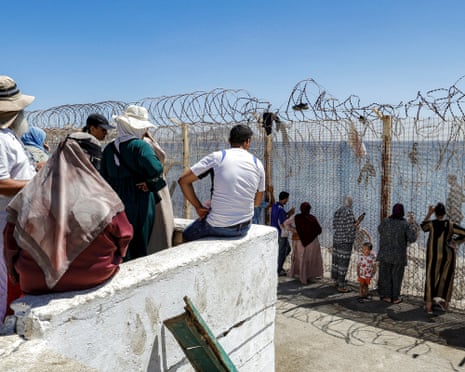 Spain estimates 70,000 people who made the crossing have been returned, leaving about 2,000 still in Ceuta. Photograph: Abdel Majid Bziouat/AFP/Getty Images
theguardian.com
Spain estimates 70,000 people who made the crossing have been returned, leaving about 2,000 still in Ceuta. Photograph: Abdel Majid Bziouat/AFP/Getty Images
theguardian.com
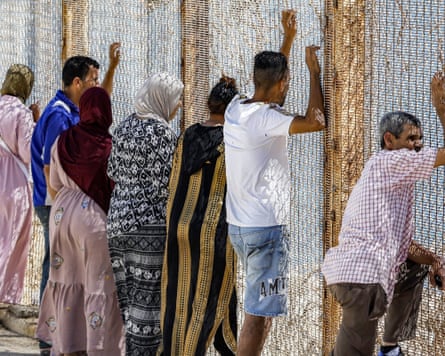 People in Fnideq wait at the Ceuta border hoping to see their missing friends or relatives. Photograph: Abdel Majid Bziouat/AFP/Getty Images
theguardian.com
People in Fnideq wait at the Ceuta border hoping to see their missing friends or relatives. Photograph: Abdel Majid Bziouat/AFP/Getty Images
theguardian.com
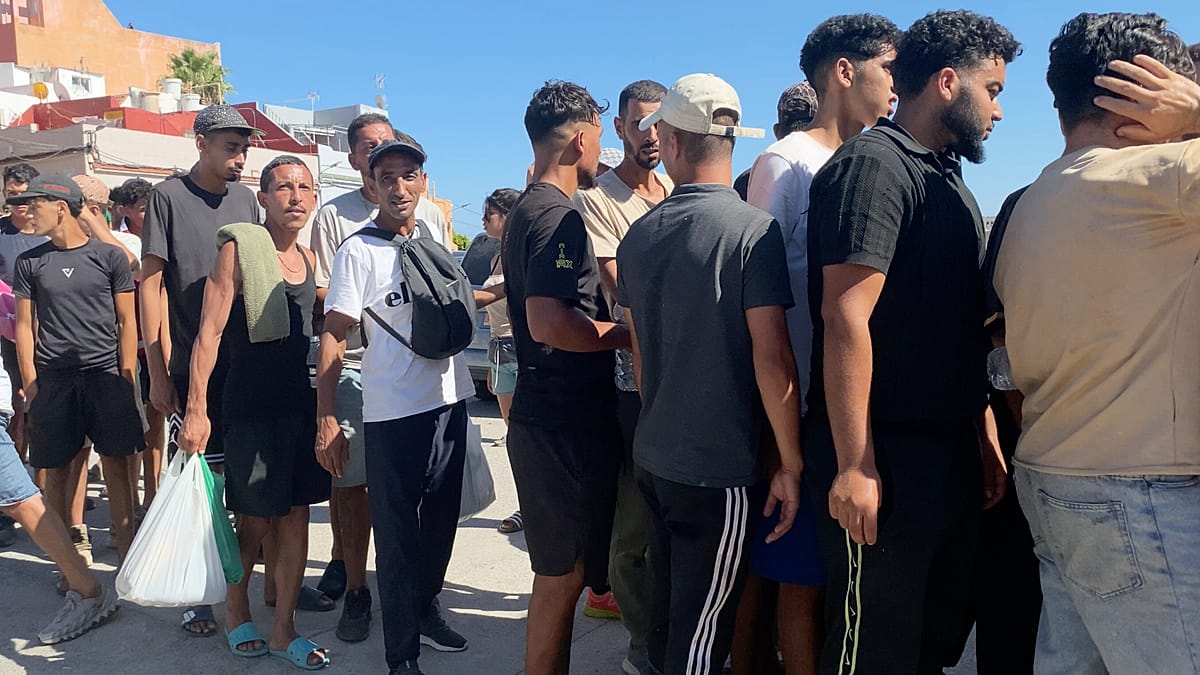 Anger, fear, shock and compassion: Ceuta's uncertain path back to normality
euronews.com
Anger, fear, shock and compassion: Ceuta's uncertain path back to normality
euronews.com
Ceuta recovers 79 bodies after mass border crossing, tens of thousands rushed Spain’s North Africa enclave amid social-media rumours, rapid returns leave minors and missing people as the unresolved ledger
Forensic officials in Spain’s enclave of Ceuta have recovered 79 bodies from the sea after a mass crossing from Morocco, according to BNO News. Local authorities have linked the deaths to the attempt by an estimated 72,000 people to enter the territory in late July, with most victims believed to have drowned while trying to reach the coast by swimming.
The scale of the movement has turned a small border city into a logistics problem measured in hours. Spain’s interior minister said roughly 70,000 people who arrived were returned to Morocco within days, a process carried out jointly by Spanish and Moroccan authorities, according to The Guardian. The speed matters politically: a prolonged encampment would have forced Madrid into longer-term accommodation, asylum processing, and the public fights that follow. It also matters legally: NGOs told The Guardian they fear some people eligible for international protection were returned before they could request asylum.
Ceuta’s remaining population of new arrivals is now described in the hundreds or low thousands, but the composition is what drives the next phase. UNICEF Spain warned that at least 862 children were registered as unaccompanied minors and that more may still be unaccounted for on the streets, The Guardian reports. Euronews, reporting from Ceuta, described migrants sleeping in beaches, parks and wasteland areas with “no means of subsistence,” while local volunteers distributed food portions at scale. A system designed to deter irregular entry by making the route dangerous ends up producing an immediate demand for shelter, food and policing once people arrive anyway.
The trigger for the surge appears to have been information rather than infrastructure. The Guardian writes that people travelled to the Moroccan border town of Fnideq after social-media posts claimed Morocco was allowing people to cross. In that environment, official statements compete with rumours in real time, and the cost of being wrong is paid in water, not paperwork. BNO News said autopsies were completed on 77 of the recovered bodies but only two had been identified, a detail that underlines how quickly a border incident becomes a missing-persons crisis.
Ceuta’s local government asked Madrid to declare a national emergency, a request the Spanish government denied, according to BNO News. Euronews described demonstrations in the city accusing the central government of abandonment, while residents watched security forces conduct operations on beaches and buses shuttle people back towards the border. The political argument over who is responsible runs alongside a practical one: once a crowd is on the move, the state can either process claims slowly and visibly, or return people quickly and accept the legal and humanitarian disputes that follow.
At the Ceuta border, families in Fnideq are still waiting for names.
Ceuta’s morgue has recovered 79 bodies, and most remain unidentified.