
Multiple fatalities reported in North Carolina home shooting
Caswell County deputies respond in Prospect Hill as state investigators process scene, officials offer no victim details and no suspect update
Images
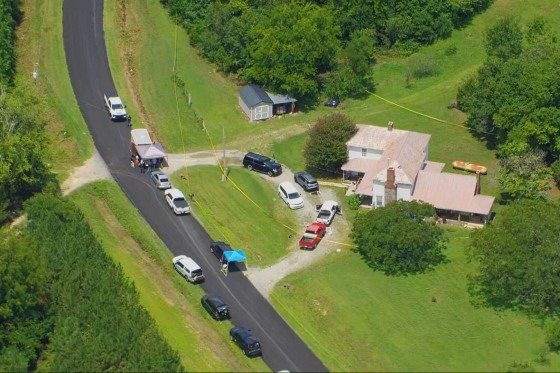 Investigators respond at the scene of a mass shooting in Caswell County, N.C.
nbcnews.com
Investigators respond at the scene of a mass shooting in Caswell County, N.C.
nbcnews.com
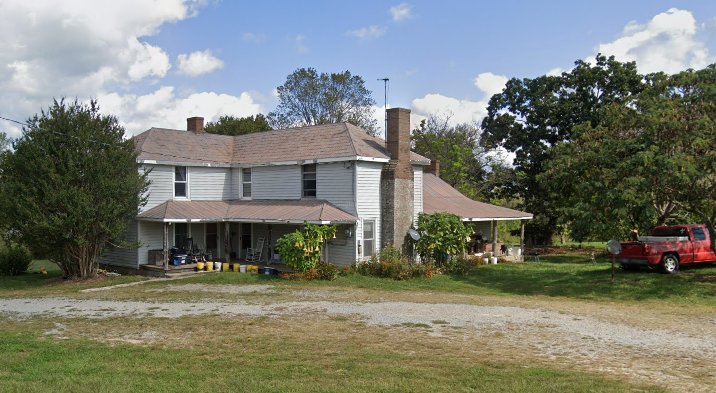 Multiple people were killed Wednesday in a mass shooting at a home in North Carolina, authorities said (Google Maps)
Google Maps
Multiple people were killed Wednesday in a mass shooting at a home in North Carolina, authorities said (Google Maps)
Google Maps
Multiple people are killed in a shooting in Caswell County North Carolina, deputies find several victims at a home in Prospect Hill after a call just before 8am, investigators say there is no ongoing threat to the public.
According to NBC News and The Independent, officers arriving on Brooks Road found multiple people who had been shot, with one victim taken to hospital and other fatalities confirmed at the scene. Authorities did not immediately release the number of dead, and they did not identify the victims or describe any relationship between them. The North Carolina State Bureau of Investigation sent crime-scene investigators to process evidence and conduct interviews, while the county sheriff’s office led the response with help from state police and local emergency services.
The early messaging around the case is narrow: the incident was “contained” to a single address and the public was told there was no broader danger. That framing is common in US mass-casualty shootings, where officials try to prevent panic while they establish whether a suspect has fled, whether there are additional scenes, and whether weapons remain unaccounted for. It also leaves a familiar vacuum. When the death toll is unspecified and the suspect status is unclear, the only thing that travels quickly is the fact of violence itself, amplified through alerts, screenshots, and partial quotes.
What follows tends to be an uneven contest between investigation and narrative. Local agencies must secure a scene, notify next of kin, and coordinate multiple responding departments, while national attention often arrives before basic facts do. In practice, the reputational stakes are immediate for everyone involved: a sheriff’s office that promises updates through press releases and social media is also signaling that the public record will be managed in controlled increments. For residents, the main near-term information is procedural—who is leading, who is assisting, whether schools or roads are affected—rather than explanatory.
The case also shows how much US public safety depends on small jurisdictions handling rare, high-impact events. A rural county can be forced overnight into a multi-agency operation involving state investigators and highway patrol, with the same deputies expected to keep routine calls moving. The costs—overtime, trauma care, investigative hours—arrive regardless of whether the suspect is quickly found, and regardless of whether the story later fades into the national background noise of similar incidents.
Deputies were dispatched to a home on Brooks Road just before 8am. By Wednesday afternoon, officials were still describing the outcome only as “multiple fatalities.”