
Russian strikes kill at least 17 in Kyiv
Von der Leyen condemns attacks and EU readies further Ukraine funding, cashflow plans cannot intercept missiles
Images
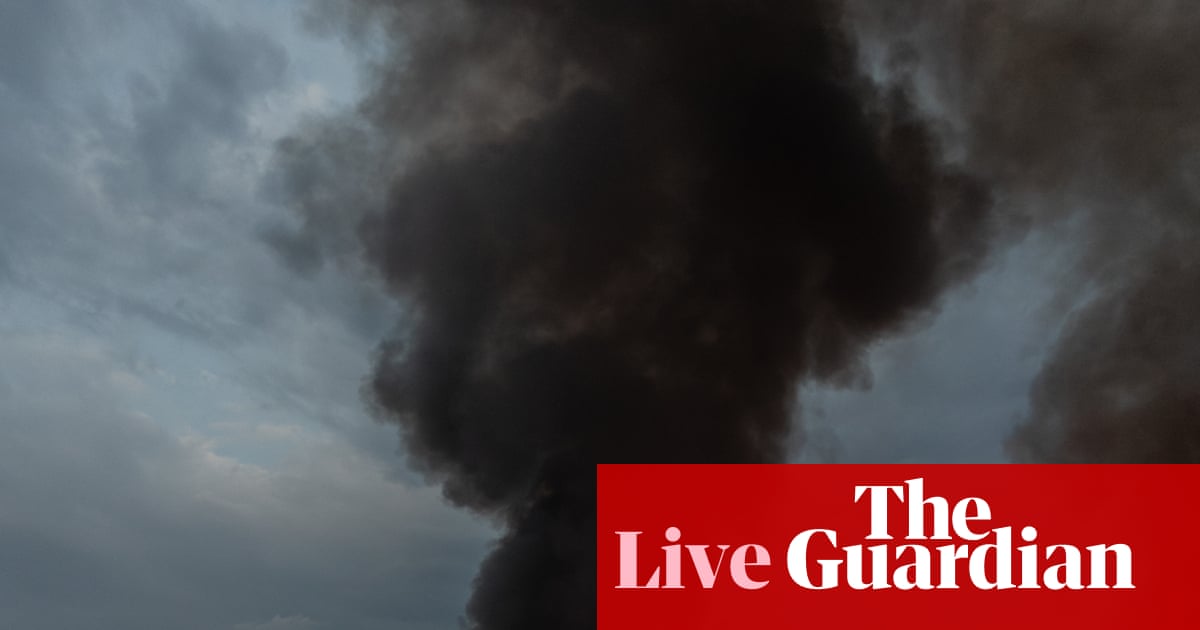 Zelenskyy rails at lack of anti-missile defences amid deadly Russian attack on Kyiv – Europe live
theguardian.com
Zelenskyy rails at lack of anti-missile defences amid deadly Russian attack on Kyiv – Europe live
theguardian.com
At least 17 people were killed in another night of Russian attacks on Kyiv, as Ukraine’s president renewed calls for more anti‑missile defences and EU leaders issued fresh condemnations. According to the Guardian’s live coverage, European Commission president Ursula von der Leyen described the strikes as “horrible atrocities” and said Russia should pay for the destruction.
The Commission’s answer is financial as well as military: it is planning to use proceeds from immobilised Russian assets, and it says it is making a further €1.4 billion available to Ukraine. The two tracks sit uneasily together. Air defence is a hardware problem measured in interceptors, launchers, radar coverage and the ability to sustain high-tempo use; asset proceeds are a budget instrument that moves through legal processes, political bargaining and procurement lead times. Russia’s operational advantage is that it can choose when to concentrate fire and force Ukraine to spend scarce interceptors in bursts, while Kyiv’s partners decide support packages in discrete announcements.
The strikes also highlight how the war’s economics shape battlefield outcomes. A defender must be right every night; an attacker can afford to probe, learn and return. Each additional layer of protection—cities, energy infrastructure, logistics hubs—creates a queue for systems that are already rationed. Even when European leaders frame new funding as support for “continued resistance,” the immediate pressure is less about resolve than about inventory: how many interceptors can be delivered, how quickly they can be integrated, and what gets left uncovered while they are.
Von der Leyen’s emphasis that Russia “must pay” points to a second contest running alongside the air war: who bears the bill. Using proceeds from immobilised assets is designed to shift costs away from European taxpayers, but it also turns legal and diplomatic constraints into part of the supply chain. The more European institutions rely on this mechanism, the more the war’s financing depends on court-tested structures rather than emergency discretion—an approach that can be durable, but rarely fast.
Kyiv, meanwhile, is left to translate statements and tranches into air defence coverage in real time. Another night’s strikes produced another set of casualties, while the Commission’s next €1.4 billion moved forward as a line item and a plan for future proceeds.