
Saudi-led group buys Electronic Arts for $55bn
Public Investment Fund teams with Jared Kushner and Silver Lake to take publisher private, blockbuster franchises change hands as quarterly scrutiny ends
Images
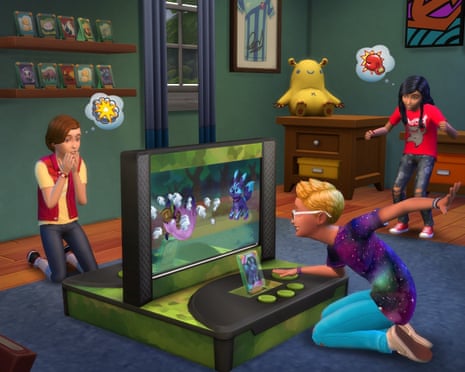 Electronic Arts is known for video games such as The Sims, Madden NFL and Battlefield. Photograph: EA Games
theguardian.com
Electronic Arts is known for video games such as The Sims, Madden NFL and Battlefield. Photograph: EA Games
theguardian.com
EA is being taken private in a $55bn deal led by Saudi Arabia’s Public Investment Fund alongside Jared Kushner’s Affinity Partners and private equity firm Silver Lake, according to The Guardian. The buyout, approved by the European Union and completed on a Tuesday evening, ends the game publisher’s 36-year run as a publicly traded company.
EA’s catalogue—The Sims, Madden NFL, Battlefield and EA Sports FC, formerly FIFA—sits in the middle of a global entertainment market that has become unusually dependent on a small number of companies with long-lived franchises. Going private removes the quarterly reporting cycle that forces public publishers to explain every dip in engagement and every delayed release, and it gives the new owners room to rework costs and strategy away from the glare of earnings calls. The Guardian notes analysts often argue that private ownership can reduce pressure to hit near-term financial targets, even as buyouts in practice are frequently followed by restructuring; EA itself laid off about 5% of its workforce in 2024.
The deal also underlines how capital sources are reshaping the games business. EA’s revenues have stagnated in recent years, The Guardian reports, while competition has intensified—particularly from major players in mobile and online ecosystems. The sector’s landmark transactions increasingly come from buyers whose goals are not limited to the next product cycle: Microsoft’s purchase of Activision Blizzard in 2023 showed how platform owners treat blockbuster game studios as strategic infrastructure, and Saudi Arabia’s push into games, esports, sports, media and comedy shows how state-backed investors treat cultural products as a long-term asset class.
For EA, the immediate operational change is accountability: public shareholders are replaced by a small group of owners with the power to set priorities and tolerate losses if the broader portfolio benefits. The company will no longer be required to publish quarterly results, and the new ownership group can decide how much of EA’s future is built on sequels to established franchises versus riskier new releases. That matters in a business where monetisation choices—live-service mechanics, pricing, and content decisions—are often driven by the need to smooth revenue between launches.
The timing is awkward. The Guardian reports that EA, on the Monday before the acquisition story, posted lower-than-expected quarterly revenues and blamed reduced engagement with its latest Battlefield game. A company buying an entertainment brand at a record-scale valuation is doing so at the same moment the flagship product line is failing to hold attention.
EA was founded in 1982 by William “Trip” Hawkins, a former Apple employee. In 2026, it changes hands for $55bn—just as its owners gain the freedom to stop explaining the numbers every three months.