
Fuego volcano forces evacuations in Guatemala
Authorities raise alert and open shelters near San Juan Alotenango, disaster response repeats the 2018 playbook
Images
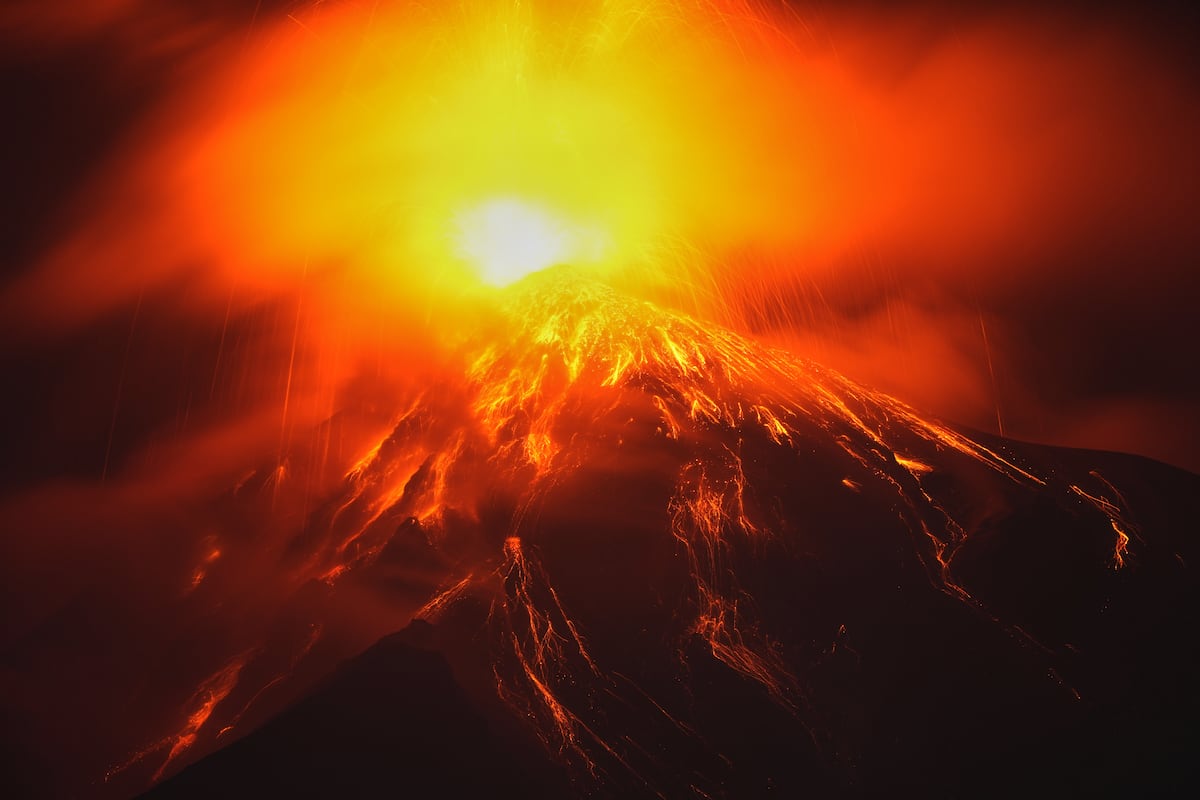
 The Fuego volcano in Guatemala erupts, with rivers of lava running down the slopes. Photograph: Johan Ordóñez/AFP/Getty Images
theguardian.com
The Fuego volcano in Guatemala erupts, with rivers of lava running down the slopes. Photograph: Johan Ordóñez/AFP/Getty Images
theguardian.com
 The Fuego volcano eruption in pictures
english.elpais.com
The Fuego volcano eruption in pictures
english.elpais.com
Hundreds of residents on the slopes of Guatemala’s Fuego volcano were moved out of their homes this week as authorities raised the alert level and opened emergency shelters in nearby towns. According to The Guardian, firefighters transported at least 350 people from the villages of El Porvenir and Las Lajitas to the municipality of San Juan Alotenango, where evacuees slept on makeshift beds in a community hall.
The eruption is not unusual for Fuego, one of Central America’s most active volcanoes, but the rhythm of evacuation orders has become a kind of stress test for a state that routinely has to mobilise transport, shelter, and basic services on short notice. The Guardian reports lava and ash rising several miles into the sky and warns from the national volcanology institute about hot debris flows down the slopes, with communities on the western and southern flanks considered most exposed. With schools closed in nearby areas and a road around the mountain range shut, the disruption quickly spreads beyond the immediate danger zone into commuting, tourism and local commerce.
The same geography that draws visitors to colonial Antigua and its surrounding highlands also concentrates risk: towns sit close to steep ravines that can turn into channels for ash, rock and water. When authorities tell residents to “self-evacuate,” as Conred’s spokesperson Valeria Urizar did according to The Guardian, the instruction assumes families have transport, somewhere to go, and enough savings to abandon work at a moment’s notice. Those who can leave early do; those who cannot wait for buses, firefighters, or relatives, and the shelter becomes the default safety net.
Fuego’s 2018 eruption remains the reference point for why precaution matters. Official figures cited by the sources differ, but both El País and The Guardian describe a disaster in which lava flows and debris overwhelmed communities and left large numbers dead and missing. That memory shapes today’s response: road closures to keep sightseers away, warnings for air traffic even when the capital’s airport stays open, and the rapid conversion of municipal buildings into dormitories.
For Guatemala, each eruption also exposes the limits of “emergency” as a permanent policy category. Evacuations rely on the same civil-protection agencies, the same local halls, and the same ad hoc logistics each time. When activity eases, people return to homes still inside a hazard map, and the next alert starts with the same list of villages.
In San Juan Alotenango, the community hall filled with cots again as ash drifted from the crater, and residents waited for the next bulletin on whether the mountain was calming down or simply pausing.