
Jordan calls emergency meeting on al-Aqsa status quo
Ben Gvir-led Temple Mount incursion triggers takeover warning, permits and policing replace treaties as the battlefield
Images
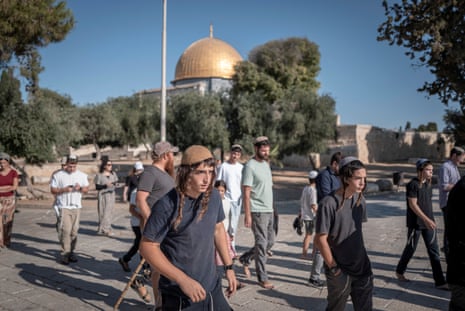 On 23 July, more than 2,000 Israelis from the religious right stormed the area. Photograph: Ilia Yefimovich/AFP/Getty Images
theguardian.com
On 23 July, more than 2,000 Israelis from the religious right stormed the area. Photograph: Ilia Yefimovich/AFP/Getty Images
theguardian.com
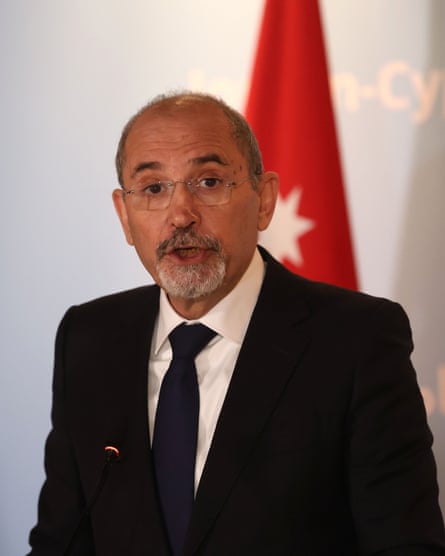 ‘Jerusalem is a tinderbox,’ said Ayman Safadi, Jordan’s foreign minister. Photograph: Salah Malkawi/Getty Images
theguardian.com
‘Jerusalem is a tinderbox,’ said Ayman Safadi, Jordan’s foreign minister. Photograph: Salah Malkawi/Getty Images
theguardian.com
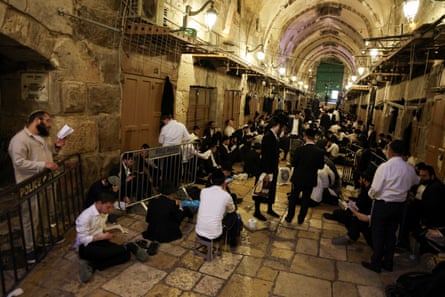 Jewish visitors pray at an entrance of al-Aqsa mosque compound. Photograph: Ammar Awad/Reuters
theguardian.com
Jewish visitors pray at an entrance of al-Aqsa mosque compound. Photograph: Ammar Awad/Reuters
theguardian.com
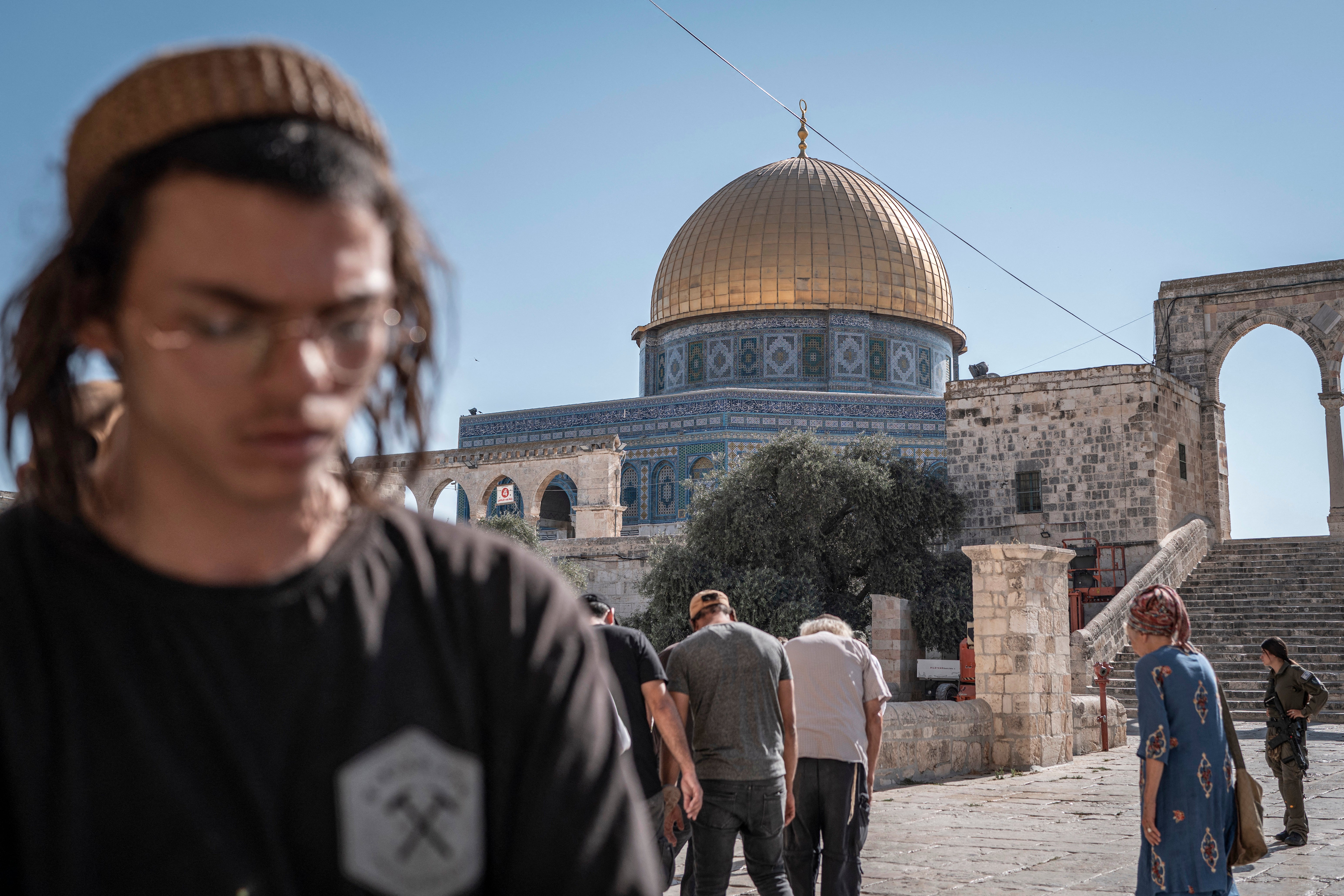 Israelis are seen at Al-Aqsa Mosque compound during the day of Tisha B'Av (the ninth day of Av) (AFP/Getty)
AFP/Getty
Israelis are seen at Al-Aqsa Mosque compound during the day of Tisha B'Av (the ninth day of Av) (AFP/Getty)
AFP/Getty
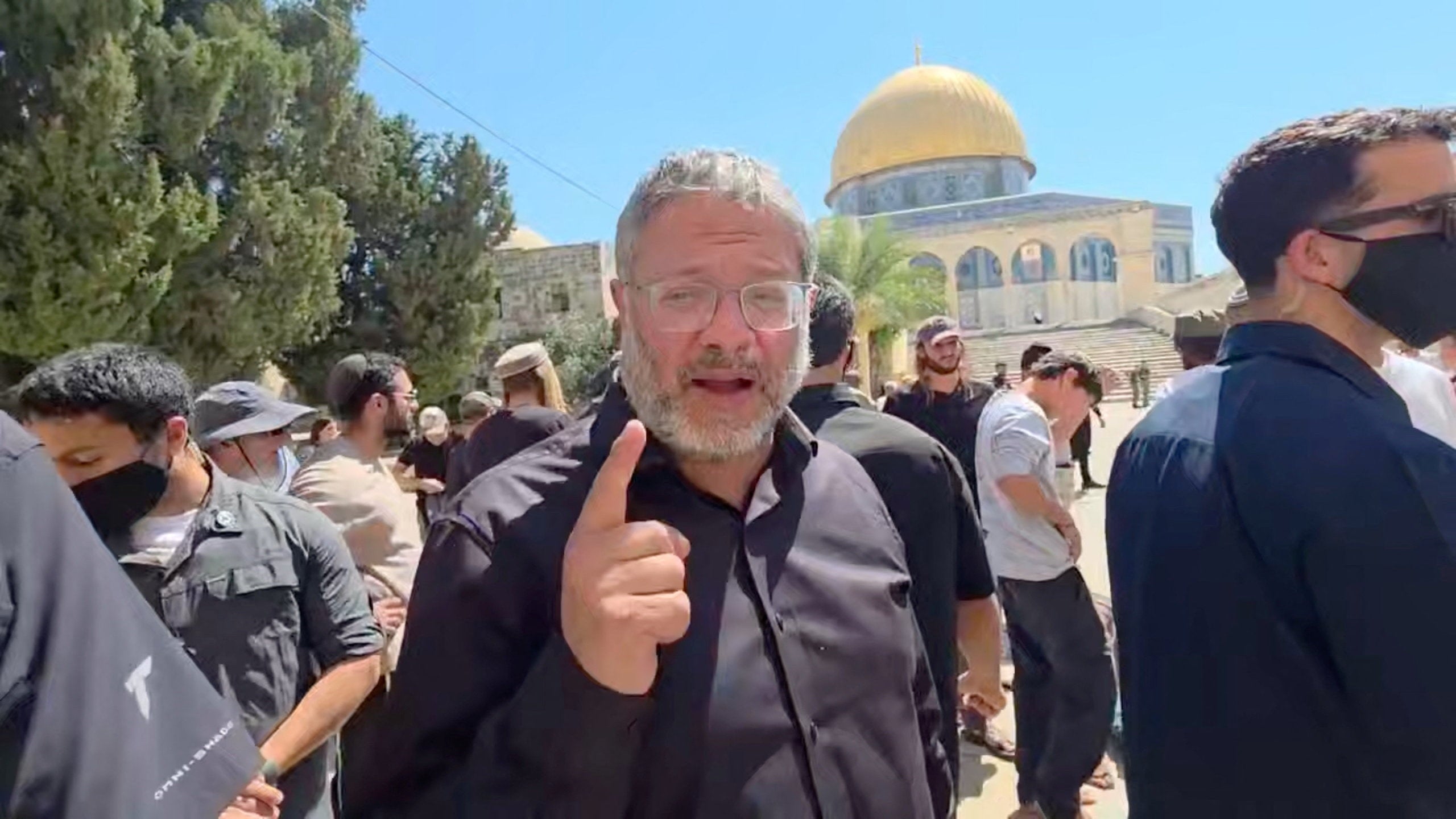 Israel's National Security Minister Itamar Ben-Gvir has been condemned for making several visits to the mosque (Reuters)
Reuters
Israel's National Security Minister Itamar Ben-Gvir has been condemned for making several visits to the mosque (Reuters)
Reuters
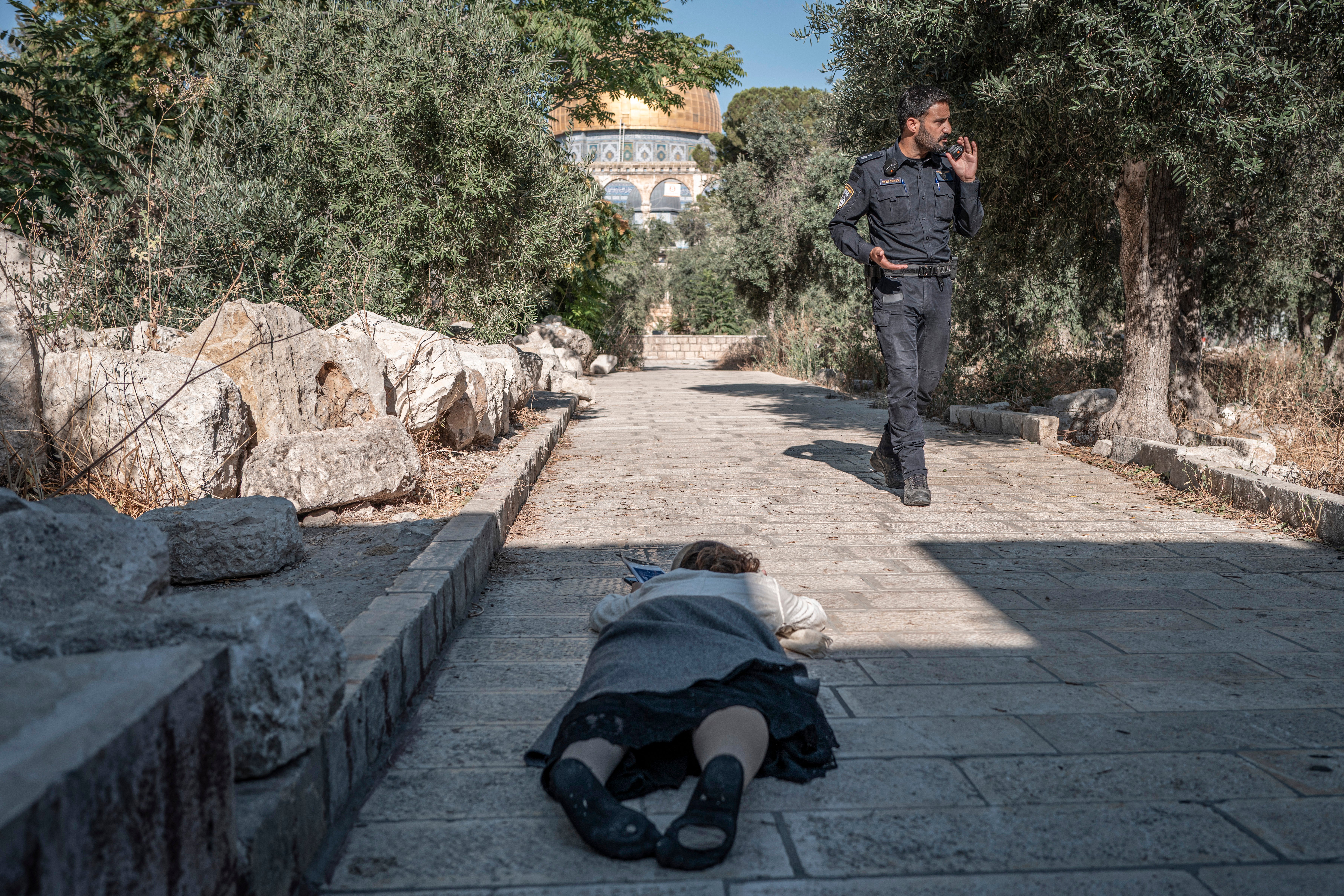 Around 2,000 people visited the site on 23 July, in a move that was fiercely condemned by Jordan (AFP/Getty)
AFP/Getty
Around 2,000 people visited the site on 23 July, in a move that was fiercely condemned by Jordan (AFP/Getty)
AFP/Getty
Jordan is convening an emergency meeting of Arab and Muslim foreign ministers after warning that Israel is moving toward an “imminent” takeover of the al-Aqsa mosque compound in Jerusalem, according to The Guardian and The Independent. The alarm follows a late-July mass incursion by Israeli religious-nationalist activists at the site Jews call the Temple Mount, led by Israel’s national security minister Itamar Ben Gvir. Jordan says the episode was the worst violation of the long-standing “status quo” in modern history, a set of arrangements that limits prayer at the compound to Muslims under Jordanian custodianship.
The immediate dispute is procedural—who controls access, policing, and permitted worship—but the stakes are structural. Jordan’s Hashemite monarchy treats custodianship over Jerusalem’s holy sites as a pillar of domestic legitimacy and a core asset in regional diplomacy; Israel’s far-right ministers publicly argue for formal Israeli sovereignty at the compound and have floated building a synagogue there, The Independent reports. Jordanian officials say recent Israeli measures have tightened the screws: entry permits for mosque staff have been revoked, and an imam was arrested during Friday prayers. The Guardian also reports Jordan is alarmed by a recruitment drive for a special Temple Mount police unit, a bureaucratic move that, if implemented, would shift facts on the ground without a treaty being rewritten.
The timing makes the compound harder to treat as a purely religious flashpoint. Both outlets describe an Israeli election campaign looming alongside major Jewish holidays in September, a calendar that reliably increases footfall and political theatre at the site. Jordan’s foreign minister Ayman Safadi is warning that “tampering” could trigger a broader religious conflict affecting فلسطين, Jordan, and the wider Muslim world; the guest list for the emergency meeting—Arab League states plus Turkey, Indonesia, Malaysia, and Pakistan—signals an attempt to widen the diplomatic cost of unilateral change. Behind the religious language sits a practical fear: Amman worries that intensified Israeli actions in the West Bank could drive displacement toward Jordan, which has repeatedly framed mass inflows as a red line.
The legal scaffolding Jordan cites is old and layered: custodianship dating to Ottoman-era arrangements, referenced in the Treaty of Berlin, reaffirmed after the 1967 war and again in the 1994 Israel–Jordan peace treaty, The Guardian reports. That history is also a catalogue of how quickly symbolic moves at the compound can turn into security crises, from British Mandate-era riots to the violence that followed Ariel Sharon’s 2000 visit.
Jordan will host the emergency meeting on Wednesday. The question on the table is whether the site’s next change comes through a formal announcement—or through permits, police units, and escorted visits that accumulate into a new normal.