
Daphne Caruana Galizia murder trial hears new details
Son testifies she was probing Electrogas leak and Panama Papers links, planned cross-newsroom investigation died with her
Images
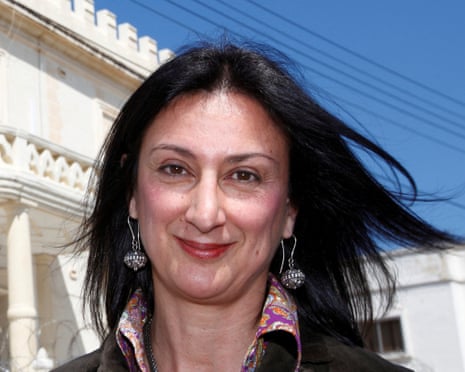 Daphne Caruana Galizia was killed in a car bombing in October 2017. Photograph: Darrin Zammit Lupi/Reuters
theguardian.com
Daphne Caruana Galizia was killed in a car bombing in October 2017. Photograph: Darrin Zammit Lupi/Reuters
theguardian.com
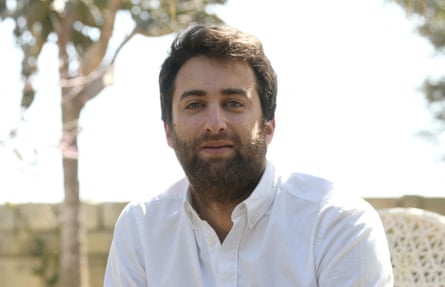 Matthew Caruana Galizia Photograph: Matthew Mirabelli/AFP/Getty Images
theguardian.com
Matthew Caruana Galizia Photograph: Matthew Mirabelli/AFP/Getty Images
theguardian.com
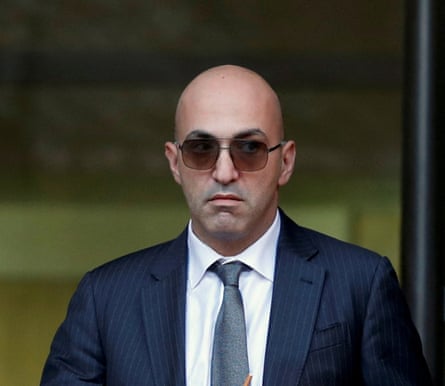 The Maltese businessman Yorgen Fenech. Photograph: Yara Nardi/Reuters
theguardian.com
The Maltese businessman Yorgen Fenech. Photograph: Yara Nardi/Reuters
theguardian.com
A Maltese jury on Monday heard that Daphne Caruana Galizia was investigating suspected corruption involving businessman Yorgen Fenech and senior figures in Malta’s government when she was killed in a car bombing in 2017. According to The Guardian, her son Matthew Caruana Galizia testified that she was working through a fresh trove of leaked material from Electrogas, a company partly owned by Fenech, on the day she died.
The testimony ties together two strands that have long defined the case: the Panama Papers’ offshore structures and the domestic power networks that fed on state contracts. Matthew Caruana Galizia told the court he had been uploading millions of Panama Papers files into a searchable database in 2015, and that he flagged Malta-related material to his mother. The jury heard that the leak and her sources indicated Malta’s then energy minister Konrad Mizzi and the prime minister’s chief of staff Keith Schembri set up offshore companies soon after taking office, and that an accountancy firm was helping them open bank accounts in the names of those companies.
By early 2017, Matthew testified, another leak arrived: thousands of emails stored on Electrogas servers. Electrogas had won a contract linked to the privatisation of a key part of Malta’s electricity infrastructure, described in the reporting as a flagship project of the Muscat government after the 2013 election. Matthew said his mother discussed the tendering process with him and described it as corrupt, and that Fenech appeared repeatedly in the emails. He told the court that receiving the Electrogas information felt like “a portal opened up and I could see into hell.”
The details matter because they show how investigative journalism collides with the parts of government that allocate scarce permissions: licences, tenders, and privatisations where a small circle can decide who wins and who loses. A contract framed as modernisation can also become a private revenue stream if the paperwork is opaque and the oversight is political. In that setting, a reporter does not need to prove every allegation to create risk for insiders; it is enough to publish documents that force explanations.
Matthew Caruana Galizia said his mother had planned to gather a group of journalists to examine the Electrogas data collaboratively, similar to the Panama Papers model, and that he had contacted The Guardian to begin work on the project before she was killed. The collaboration never happened. The emails, the tender process, and the offshore structures instead became evidence discussed years later in a courtroom, with the central figure from the Electrogas ownership structure now on trial accused of commissioning and paying for her murder.
Caruana Galizia’s last investigation, the jury heard, was still unfolding on the day she was killed. The material she wanted to share with other reporters ended up being introduced not in a newsroom, but under oath.