
Andy Burnham blocks rapists and child sex offenders from early release
Prison overcrowding forces sentencing changes as October rollout replaces September plan, ministers still will not say when capacity runs out
Images
 About 6,000 offenders had been due for early release in September amid official predictions that prisons will be full in November. Photograph: PA Images/Alamy
theguardian.com
About 6,000 offenders had been due for early release in September amid official predictions that prisons will be full in November. Photograph: PA Images/Alamy
theguardian.com
 Andy Burnham had previously paused the scheme to review it (PA)
independent.co.uk
Andy Burnham had previously paused the scheme to review it (PA)
independent.co.uk
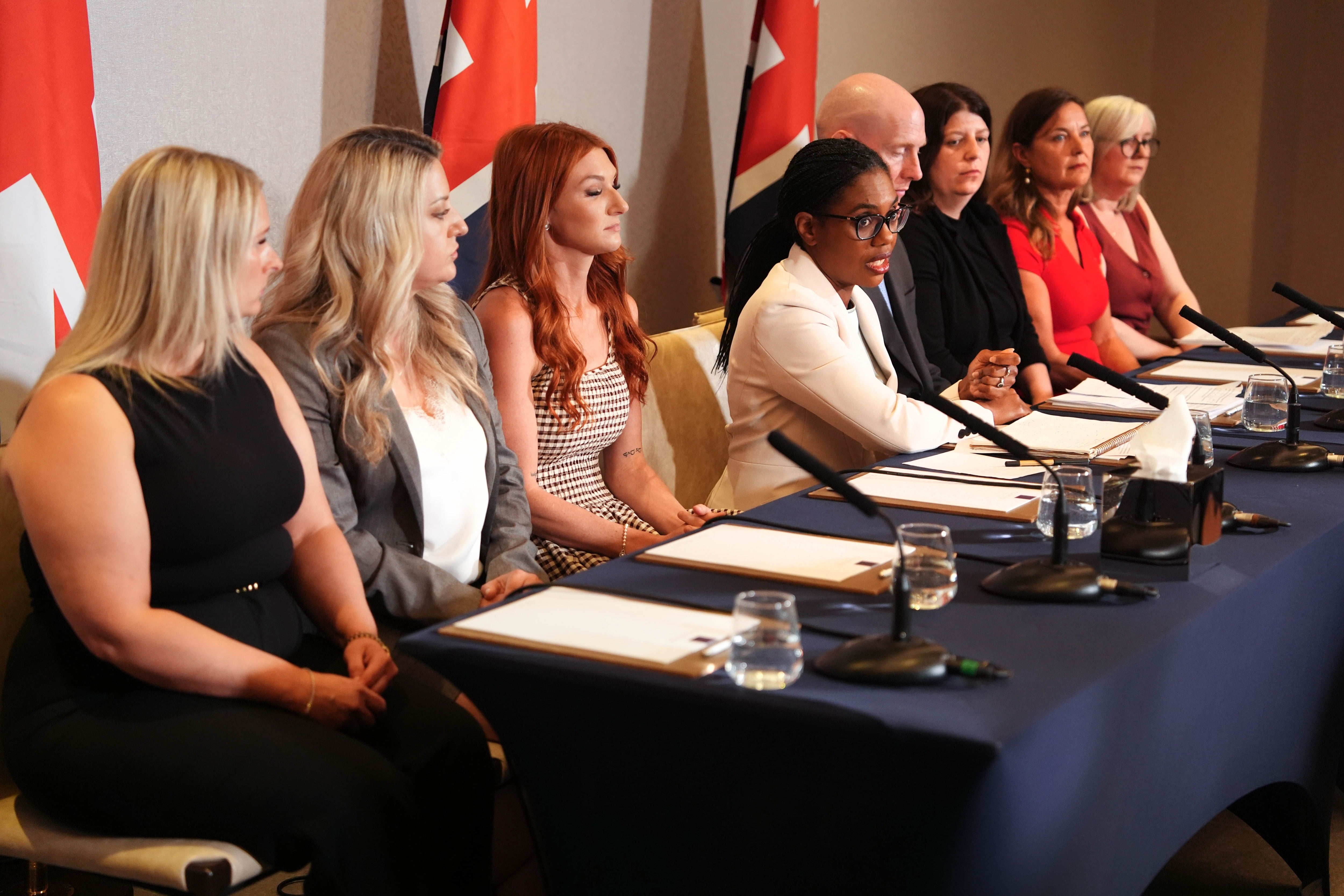 Kemi Badenoch held a press conference with survivors who had been told their abusers could be released early under the scheme in June (PA Wire)
PA Wire
Kemi Badenoch held a press conference with survivors who had been told their abusers could be released early under the scheme in June (PA Wire)
PA Wire
Andy Burnham has barred rapists, serious child sex offenders and people convicted of grooming offences from a planned early-release regime in England and Wales, according to The Guardian and The Independent. The government has also pushed back the start of the releases by about a month, moving the timetable from September to October. Ministers have not published how many prisoners will now be excluded, and the Ministry of Justice has not disclosed when its internal modelling expects prisons to run out of space again.
The change is a partial retreat from sentencing reforms designed to relieve overcrowding by shortening time served for certain prisoners. Under the Sentencing Act changes described by The Independent, some prisoners were set to be released after serving one-third of their sentence instead of half, with further adjustments that would move some longer sentences to eligibility at the halfway point rather than two-thirds. Burnham has said he wanted to go further but argued that tightening the exclusions too much would risk “collapse” of the prison system, a claim that sits alongside official forecasts that prisons will be full by November, as The Guardian reports.
The exclusions list is also political triage. Domestic abusers and killers remain eligible for the early-release changes, prompting criticism from the domestic abuse commissioner, Dame Nicole Jacobs, who said excluding domestic abusers from the carve-out is “wrong” and puts victims at risk, according to The Guardian. Victims’ advocates have also warned about capacity outside prison walls: the London victim’s commissioner, Andrea Simon, cited shortages of probation officers with experience of complex offenders. Burnham’s answer, per The Independent, is tighter community supervision, including a presumption of tagging, longer supervision periods, and new restriction zones, with GPS monitoring specifically mentioned for rapists.
The government is pairing the policy shift with support measures for victims, including a funding package and a new national helpline, The Independent reports. It is also pointing to longer-term capacity fixes—Burnham has blamed years of underinvestment in the prison estate and said the government intends to deliver a major prison-building programme, with Labour aiming for 14,000 new places by 2031.
For now, the immediate constraint remains arithmetic rather than principle: the Ministry of Justice is changing who qualifies for earlier release, while declining to say how many spaces that buys or how quickly the system fills back up.