
Iran denies Trump claim of Monday talks
Tehran cites Oman channel for temporary Hormuz safe route, markets still trade on statements that can be withdrawn overnight
Images
 independent.co.uk
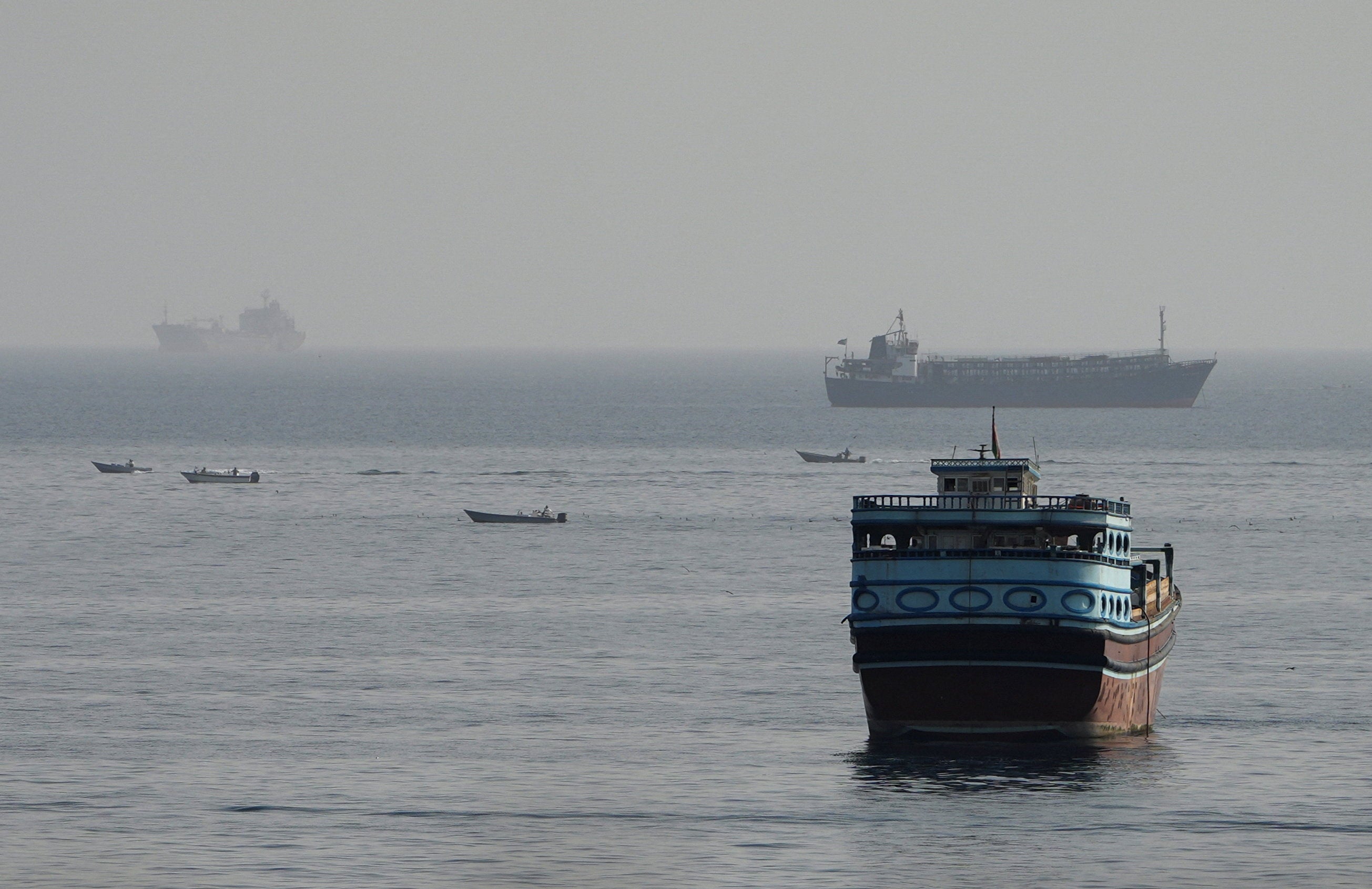 Vessels in the Strait of Hormuz, as seen from Musandam, Oman, on 3 August (Reuters)
Reuters
Vessels in the Strait of Hormuz, as seen from Musandam, Oman, on 3 August (Reuters)
Reuters
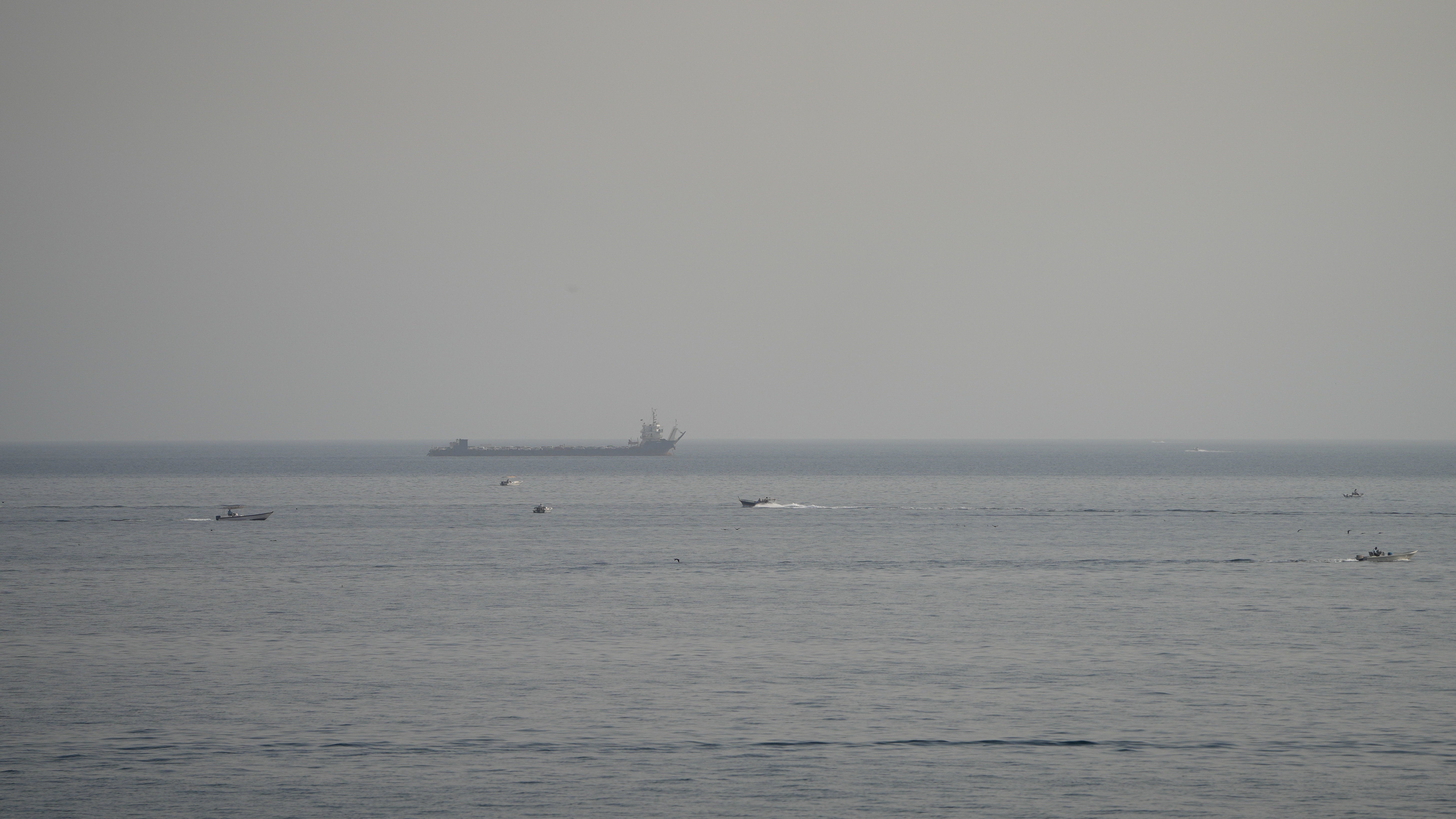 Boats and a vessel in the Strait of Hormuz, as seen from Musandam, Oman, August 3 (Reuters)
Reuters
Boats and a vessel in the Strait of Hormuz, as seen from Musandam, Oman, August 3 (Reuters)
Reuters
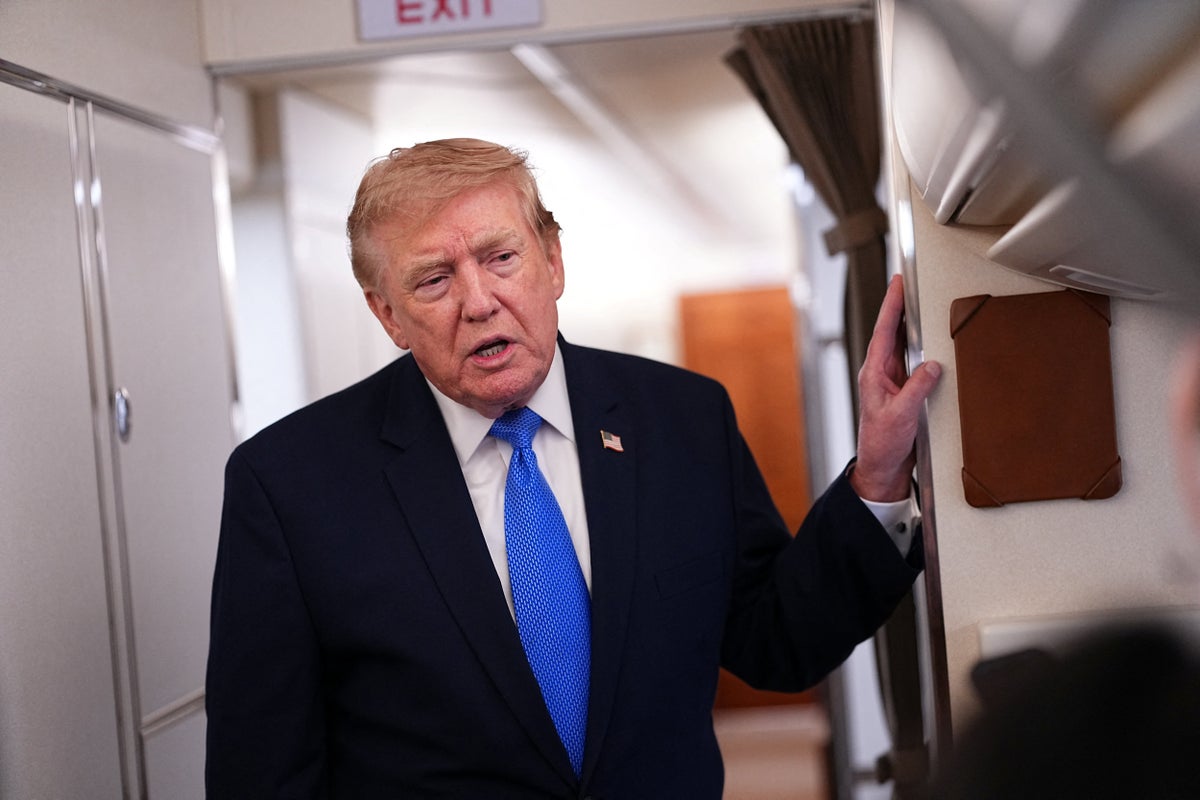
 Donald Trump (Reuters)
Reuters
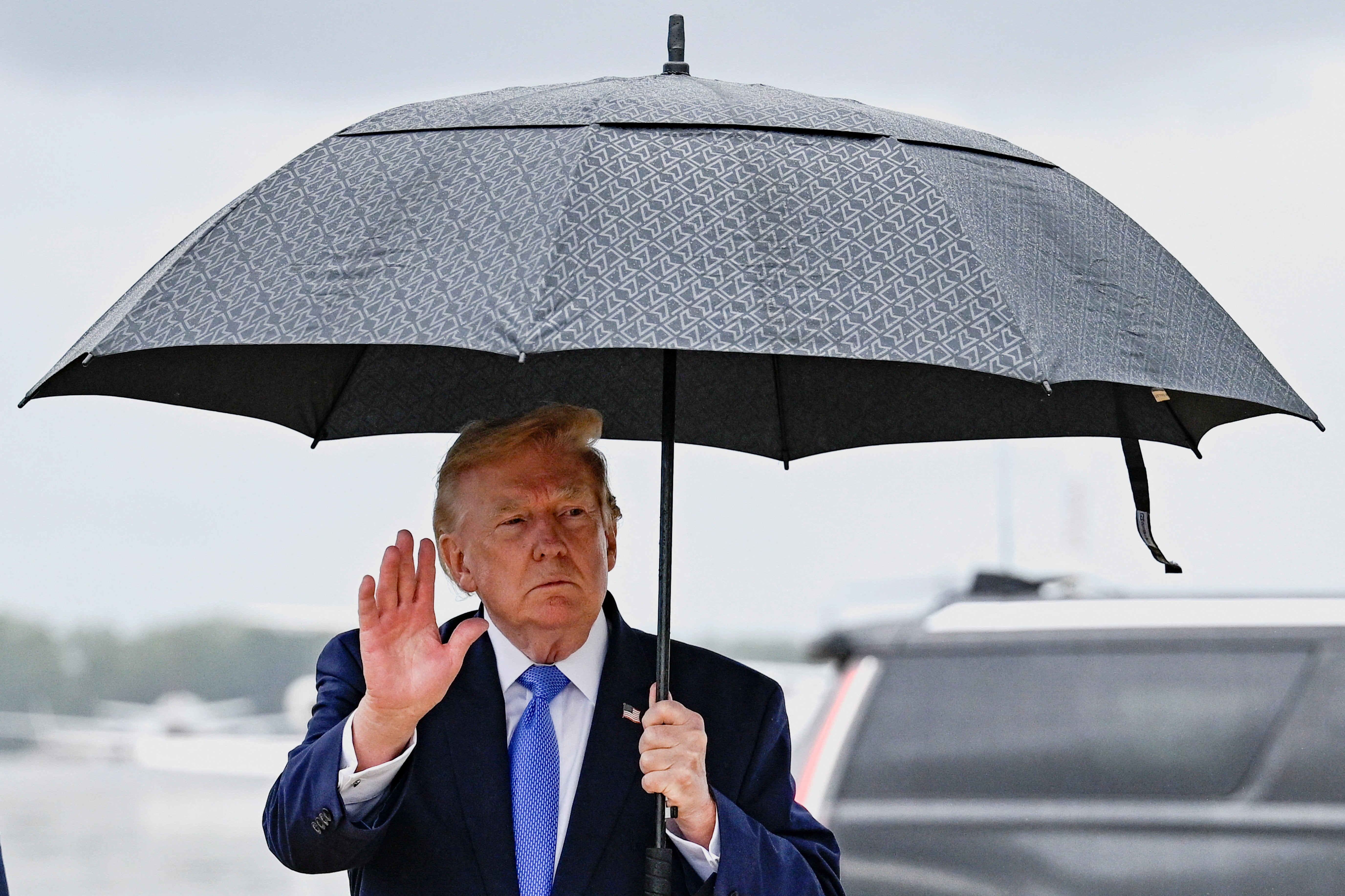
Donald Trump (Reuters)
Reuters
 independent.co.uk
Donald Trump said he called off a planned “major attack” on Iran after what he described as a preliminary deal to reopen the Strait of Hormuz and begin talks on Monday. Within hours, Iran’s foreign ministry publicly contradicted the claim, saying there was no plan to send or receive a delegation and that Tehran was “not currently holding talks” with Washington, according to The Independent.
The clash matters because Hormuz is not a talking point but a physical bottleneck. Even the suggestion of a reopening moves oil and shipping expectations, while a denial restores the baseline of uncertainty that has already pushed attacks beyond the Gulf—into the Red Sea and, in recent days, as far as a Mediterranean facility in Egypt, The Independent reports. Iran’s spokesperson Esmaeil Baghaei said Tehran is discussing a temporary safe route with Oman, but also stressed that any Oman channel would not be enough to “reopen” the strait, and that conditions would not change while US “aggression” continues. Trump, for his part, offered no operational detail beyond saying negotiations would begin Monday afternoon, and claimed on Truth Social that Iran and other Middle Eastern countries had asked for time to “complete a deal” that would immediately and totally reopen Hormuz and end Iran’s nuclear threat.
That mismatch—maximal American certainty versus procedural Iranian denial—highlights how bargaining over chokepoints often happens through intermediaries, partial commitments, and public signalling aimed at third parties. Oman’s role, as described by Iran, points to a narrow objective: a limited “safe route” that could let some traffic move without either side conceding the larger political dispute. Washington’s framing points to a different objective: a comprehensive reopening tied to nuclear concessions, packaged as an imminent diplomatic win. In the middle sit shipowners, insurers, refiners, and governments that have to act before clarity arrives; they price risk on headlines, not on signed documents.
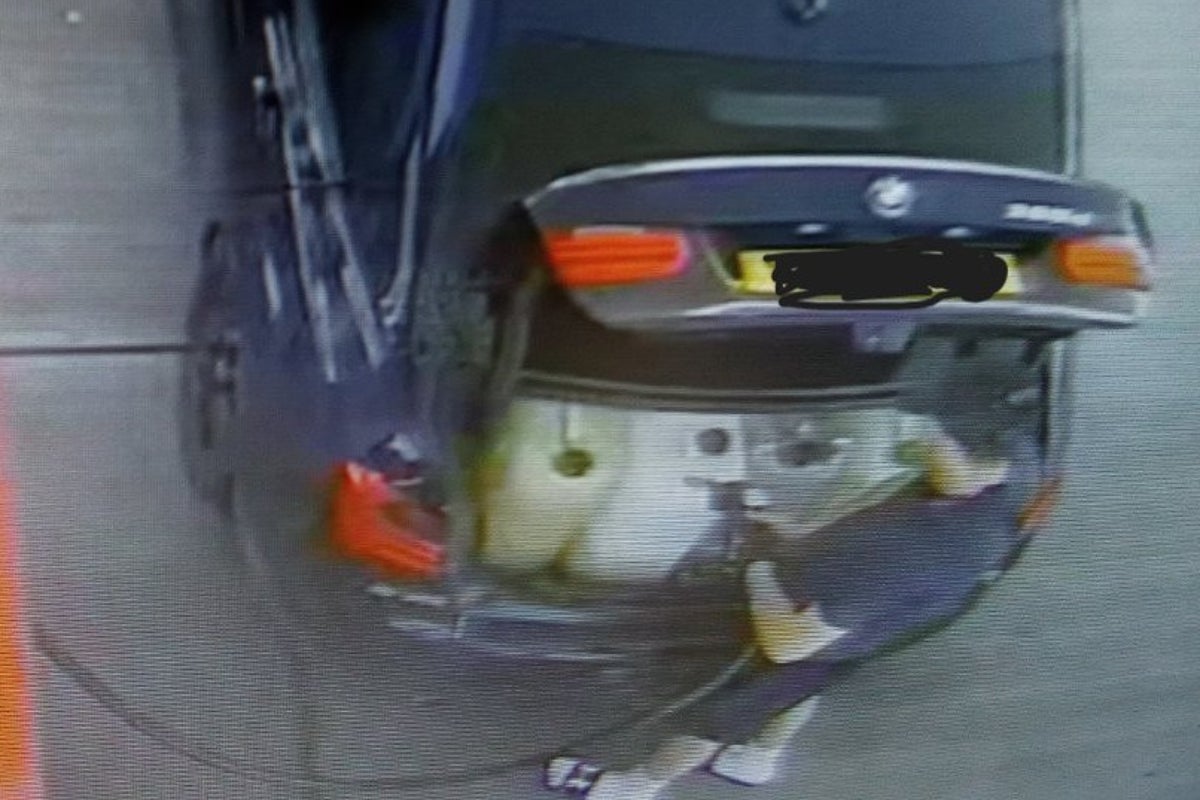
The domestic spillovers are already visible far from the Gulf. The Independent links the “Iran oil crisis” to a surge in fuel theft across UK petrol stations, citing Forecourt Eye data showing incidents up 20% in the five months after the conflict began compared with the five months before, with the value of stolen fuel up 48% as pump prices rose. The report’s detail is telling: a significant share of the increase comes from first-time offenders, suggesting that higher prices are pulling new people into low-level crime, while forecourt operators—often small businesses trading under major oil-brand signage—absorb the loss because they have already bought the fuel.
On Sunday, Trump returned to Washington and said talks would begin the next day. Iran’s foreign ministry, in the same news cycle, said no delegation was scheduled, and that the strait’s situation would remain unchanged under continued US pressure.