
Wildfires destroy hundreds of buildings near Spokane
Evacuations spread across eastern Washington as fires burn out of control, western firefighting capacity stretched by concurrent blazes
Images
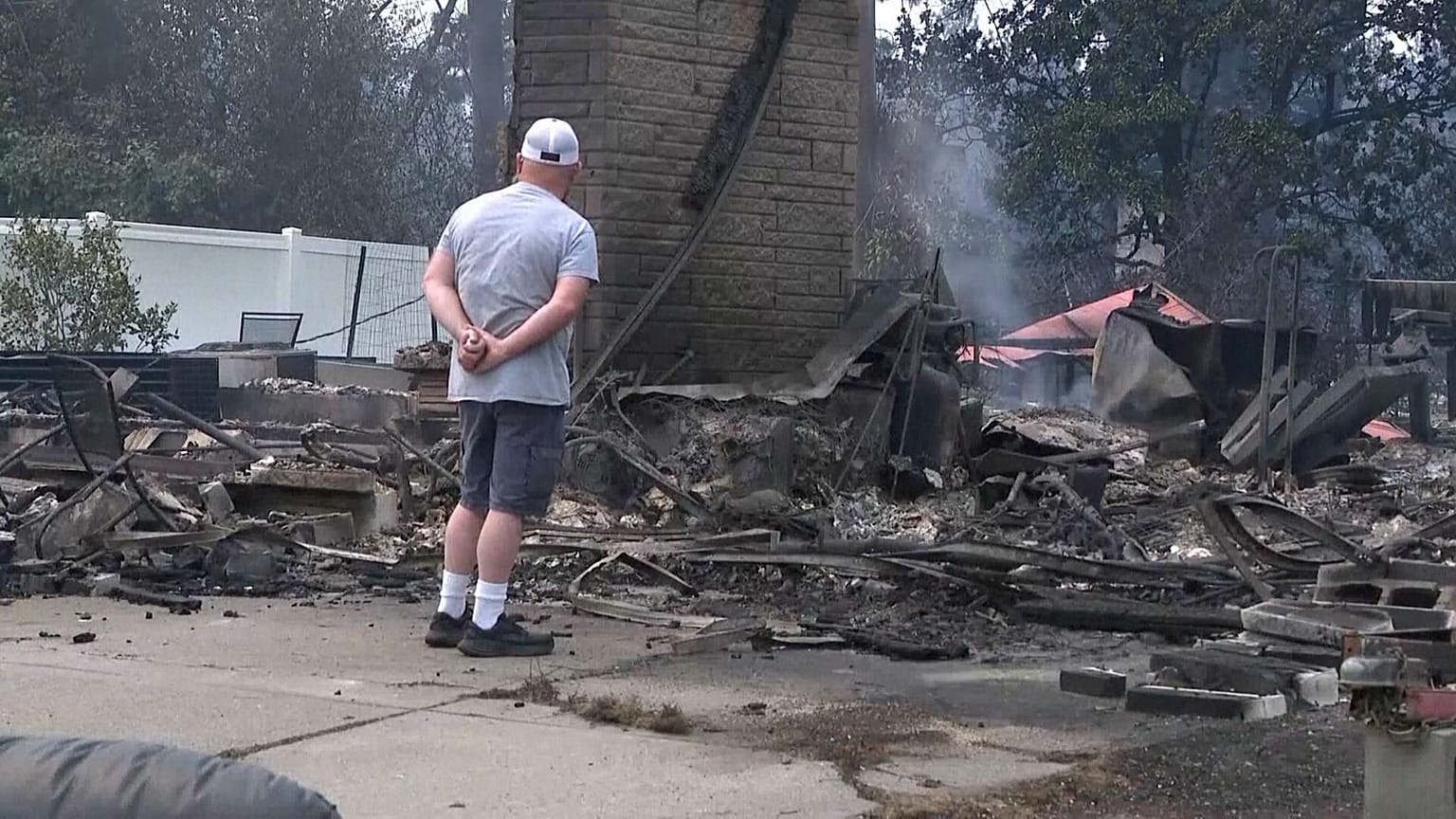 Eastern Washington fires have burned 600 structures and forced the evacuation of 5,000 homes
euronews.com
Eastern Washington fires have burned 600 structures and forced the evacuation of 5,000 homes
euronews.com
Roughly 600 buildings have been destroyed by wildfires near Spokane in eastern Washington, according to Euronews, as evacuations expanded and firefighting resources were stretched across the western United States. The blazes were still burning out of control over the weekend, with authorities reporting no deaths in connection with the fires. The affected area sits near Spokane, Washington state’s second-largest city, where smoke and closures have turned a regional summer into a logistics problem.
The immediate numbers—homes and businesses lost, thousands of households told to leave—capture only the first layer of cost. Large evacuations are not simply a matter of moving people; they depend on road capacity, temporary shelter, power reliability, and communications that keep working when air quality warnings and shifting winds make normal routines unsafe. Euronews reports evacuations affecting thousands of homes, while noting that the Spokane-area fires are among dozens of active blazes across the West, a detail that matters because fire crews, aircraft, and equipment cannot be in two places at once.
That scarcity shows up in the way incidents are grouped and managed. When multiple states are burning at the same time, mutual aid becomes less of a reserve and more of a zero-sum allocation: each jurisdiction can promise help on paper, but the actual assets are already committed. Euronews points to a separate wildfire in neighboring Idaho and Oregon that has been burning for days over a large area, drawing on the same regional pool of crews and support.
The second-order effects fall unevenly. Property owners face uninsured or underinsured losses, while renters and lower-income residents can be pushed into temporary accommodation markets that tighten overnight. Small businesses in evacuation zones lose inventory, footfall, and sometimes premises, but still face payroll and debt service. Local governments, meanwhile, end up paying for emergency operations first and arguing about reimbursement later, a sequence that can reward dramatic declarations while leaving slow recovery work underfunded.
For residents, the practical constraint is that “evacuation” is not a moment but a period: time away from work, school, medical routines, and the ordinary monitoring that prevents small problems from becoming expensive ones. In fast-moving fire conditions, the quality of the public response is often measured less by press conferences than by whether evacuation routes stay open, shelters have capacity, and warnings arrive early enough to matter.
Euronews’ account is blunt on what is known so far: hundreds of structures are gone, the fires have covered several square miles, and officials have not reported fatalities. The region is now trying to run a mass relocation while the fires are still active.