
Suicide bomber hits anti-militant rally in Pakistan Swat Valley
At least 14 killed including police as residents protest militant resurgence, government vows eradication as incident totals keep rising
Images
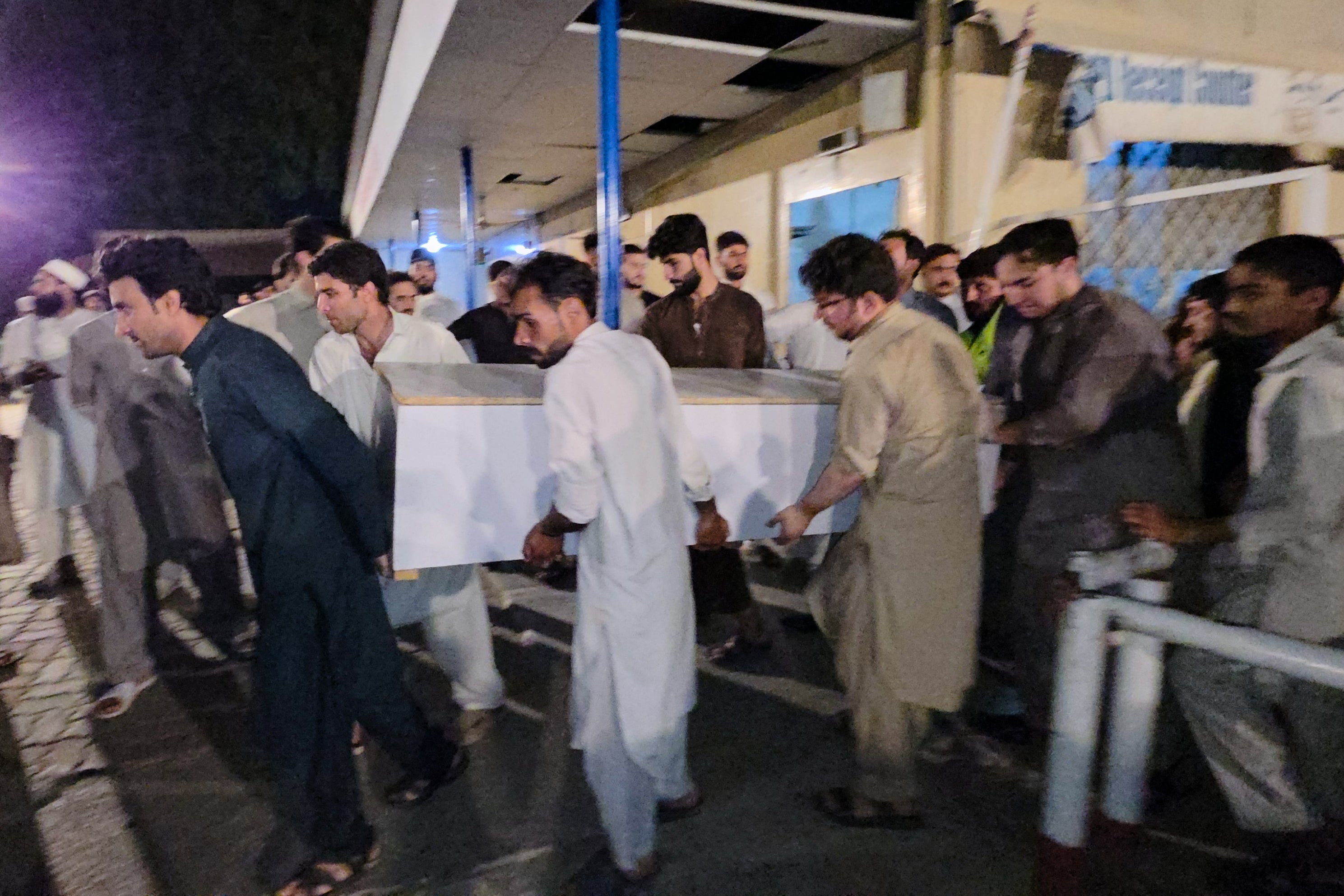 People carry a casket of a victim of suicide bombing, to transport after collecting from a hospital (AP)
independent.co.uk
People carry a casket of a victim of suicide bombing, to transport after collecting from a hospital (AP)
independent.co.uk
 independent.co.uk
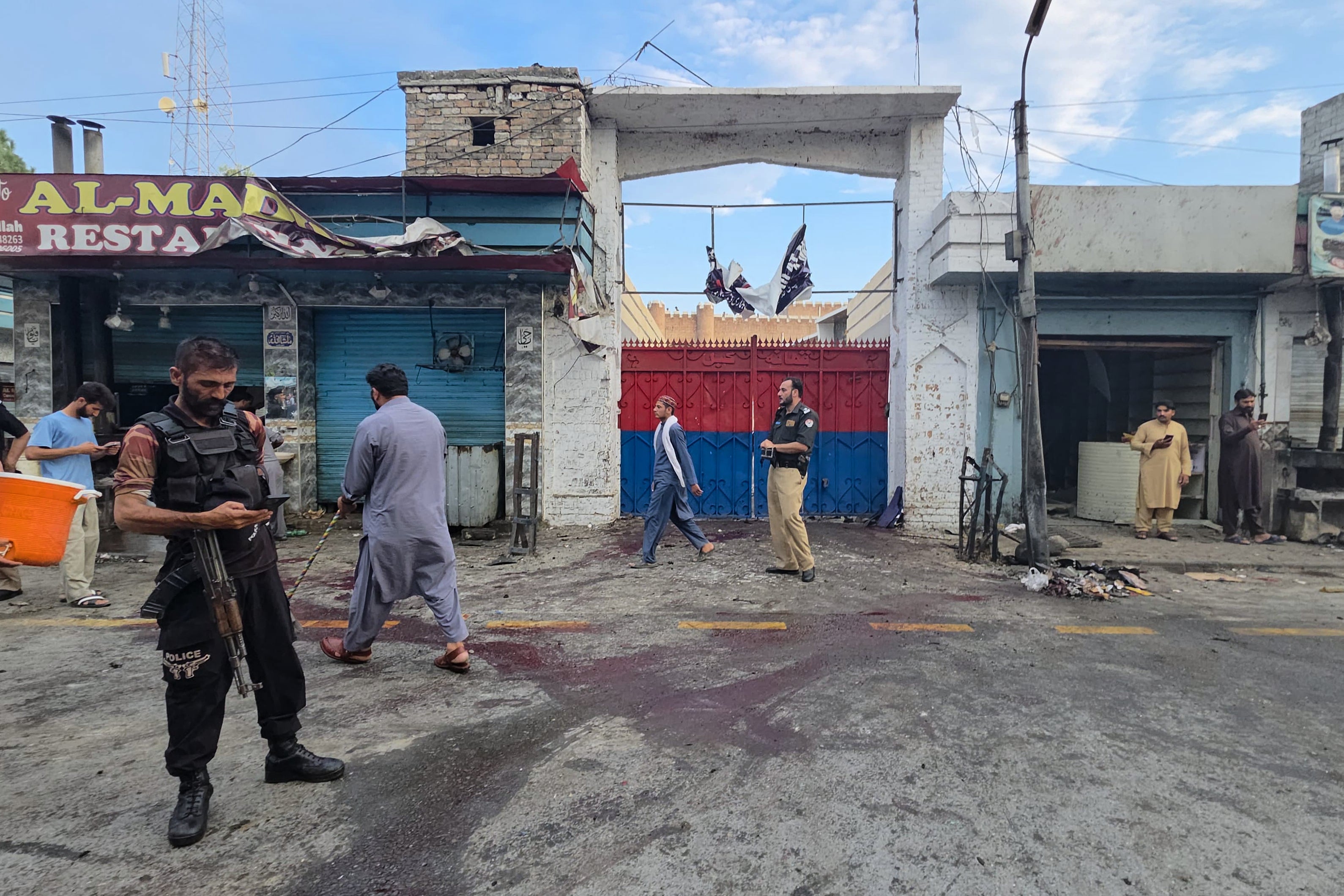
A suicide bomber struck an anti-militant rally in Pakistan’s Swat Valley on Sunday, killing at least 14 people, including police officers, and wounding more than two dozen others. According to The Independent, demonstrators had gathered in Kabal near a police station, chanting anti-militant slogans and demanding that the state restore security.
The target was not a military convoy or a government office, but a public meeting where residents were openly complaining that authorities were failing to contain militants. Witnesses told the newspaper that speakers at the rally argued security was the government’s responsibility and accused officials of not acting decisively. That choice of venue makes the attack legible as a message: even gatherings explicitly calling for the state to do its job can be penetrated, and police presence does not guarantee protection.
Swat is not an unfamiliar battleground. The Independent notes that the valley was once a stronghold for Islamic militants who imposed strict Sharia law, before military operations drove them out in 2007. Residents have staged repeated protests in recent months as militants reappear, and the bombing lands in a region where “return” is not a metaphor but a lived memory of parallel rule.
Pakistan’s national leadership responded with the standard sequence—condemnations, condolences, instructions to provide medical treatment, and vows to continue fighting “until eradicated,” as the report puts it. But the statistics Pakistan’s own military spokesman offered days earlier sketch the scale of what those vows are competing with: thousands of “terrorism incidents” recorded since January, and hundreds of deaths among soldiers, police, and civilians. In that context, a rally demanding peace is both a political act and an admission that ordinary life has become contingent on whether the next attack happens.
No group immediately claimed responsibility, though suspicion is likely to fall on the Pakistani Taliban, the paper reports. Islamabad has long argued that many of the group’s leaders and fighters have found sanctuary in Afghanistan since the Taliban returned to power in 2021, an accusation Kabul denies. The dispute turns cross-border militancy into a diplomatic stalemate: Pakistan blames the neighbour it cannot coerce, while local communities absorb the cost of a security gap that speeches cannot close.
At the rally in Kabal, people gathered to demand protection and ended up needing rescue and hospital beds instead. By nightfall, officials were still counting the dead and treating the wounded outside the same police station where the crowd had come to ask for peace.