
Daniel Ortega moves to end elections in Nicaragua
Legal changes advance through a captured legislature, a regime that once relied on rigged ballots now discards the ballot box
Images
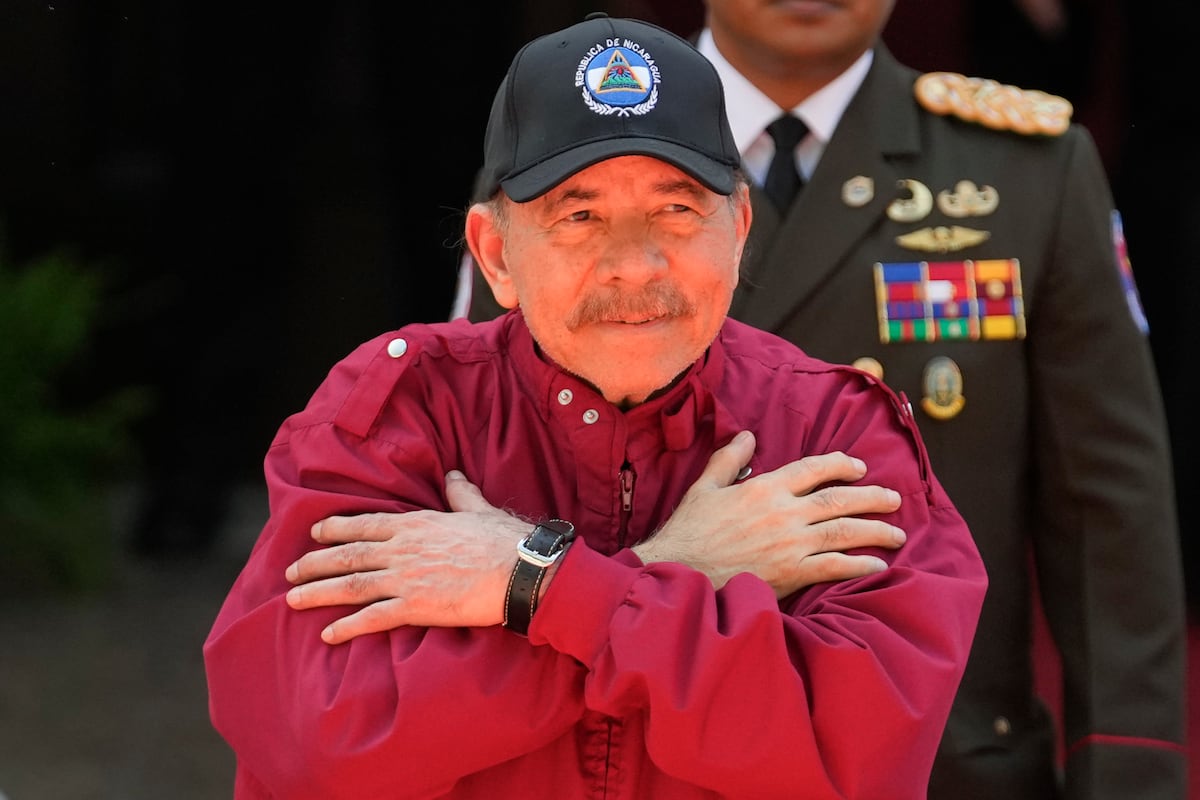 Daniel Ortega establishes Latin America’s last dictatorship in Nicaragua
english.elpais.com
Daniel Ortega establishes Latin America’s last dictatorship in Nicaragua
english.elpais.com
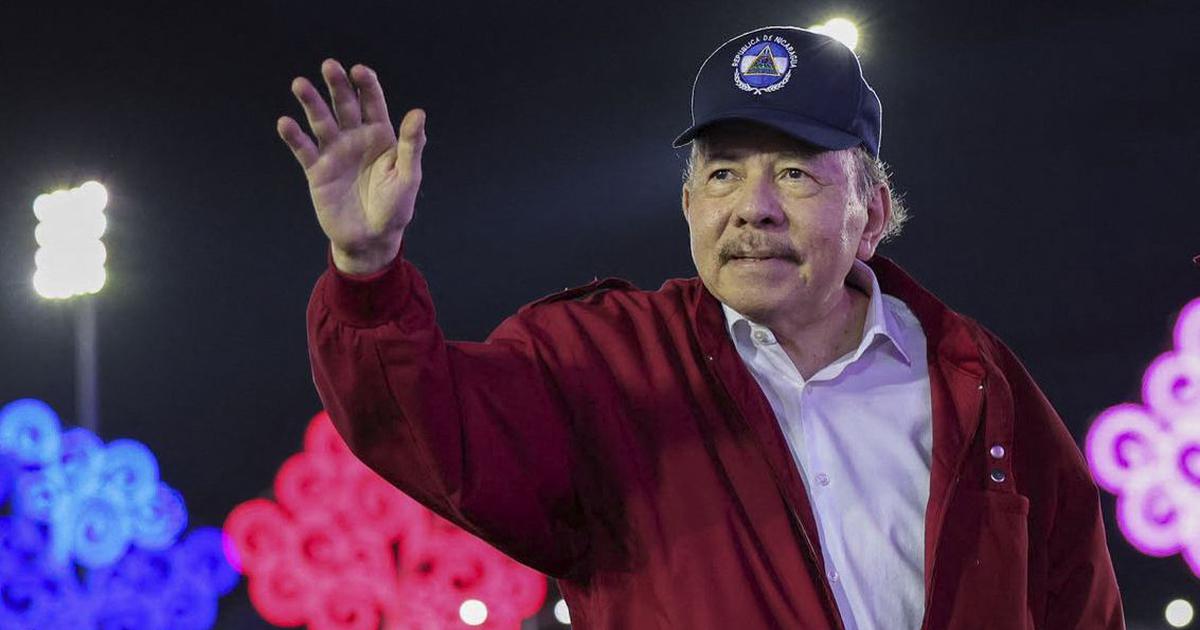 Nicaraguan president Daniel Ortega.
|
Cesar Perez / El 19 Digital / AFP
scroll.in
Nicaraguan president Daniel Ortega.
|
Cesar Perez / El 19 Digital / AFP
scroll.in
Daniel Ortega told a crowd on July 19 that Nicaragua no longer needs elections. The declaration, delivered on the anniversary of the 1979 Sandinista Revolution, comes as legal changes move through a National Assembly fully controlled by Ortega’s party, according to El País.
For years, Nicaragua’s elections had already become a managed ritual. El País describes a long sequence of institutional takeovers: the judiciary, the Supreme Electoral Council and the legislature brought into line; constitutional changes pushed through to remove term limits; opposition parties sidelined; and recurrent fraud turning voting into a box-ticking exercise. After the 2018 protests, the state’s posture hardened further into a de facto police state, with repression shifting from episodic to systematic. In the 2021 presidential election, the government jailed prominent pre-candidates and civic leaders, along with journalists and members of the Catholic Church, while Ortega claimed a landslide victory.
The new step is not simply another tightening of rules but a removal of the mechanism itself. That is unusual even among modern authoritarian governments, which often keep elections as a tool for mapping dissent, disciplining elites and projecting normality abroad. When rulers stage controlled votes, they learn where opposition is concentrated, which local figures can mobilise people, and which parts of the country are simmering. They also force opponents into an exhausting cycle of campaigns, boycotts and post-election disputes that rarely change the outcome but consume resources and attention.
El País quotes former Sandinista guerrilla and historian Mónica Baltodano, now in exile in Costa Rica, reacting with disbelief and comparing the direction of travel to closed political systems such as North Korea. Her point is less about symbolism than about architecture: if elections disappear, the remaining institutions can be redesigned as ratifying bodies—large assemblies and committees that meet, vote and applaud without providing a path for citizens to remove leaders. The government has already shown how it intends to handle dissent outside that architecture, stripping thousands of opponents of citizenship and rights and forcing many into exile after branding them “traitors to the homeland,” while closing and confiscating NGOs, media outlets and independent universities.
Ortega’s power-sharing arrangement with his wife and co-president, Rosario Murillo, adds a succession question to what used to be an electoral one. With the legislature preparing to formalise the end of elections, the regime can turn political continuity into an administrative procedure rather than a contest.
Ortega has ruled for nearly two decades while keeping the outward form of voting. On July 19, he publicly indicated that even the appearance is no longer necessary.