
EY warns UK recession risk if Strait of Hormuz stays closed
Outlook models 2027 GDP contraction and higher inflation, energy chokepoint turns geopolitics into household rates
Images
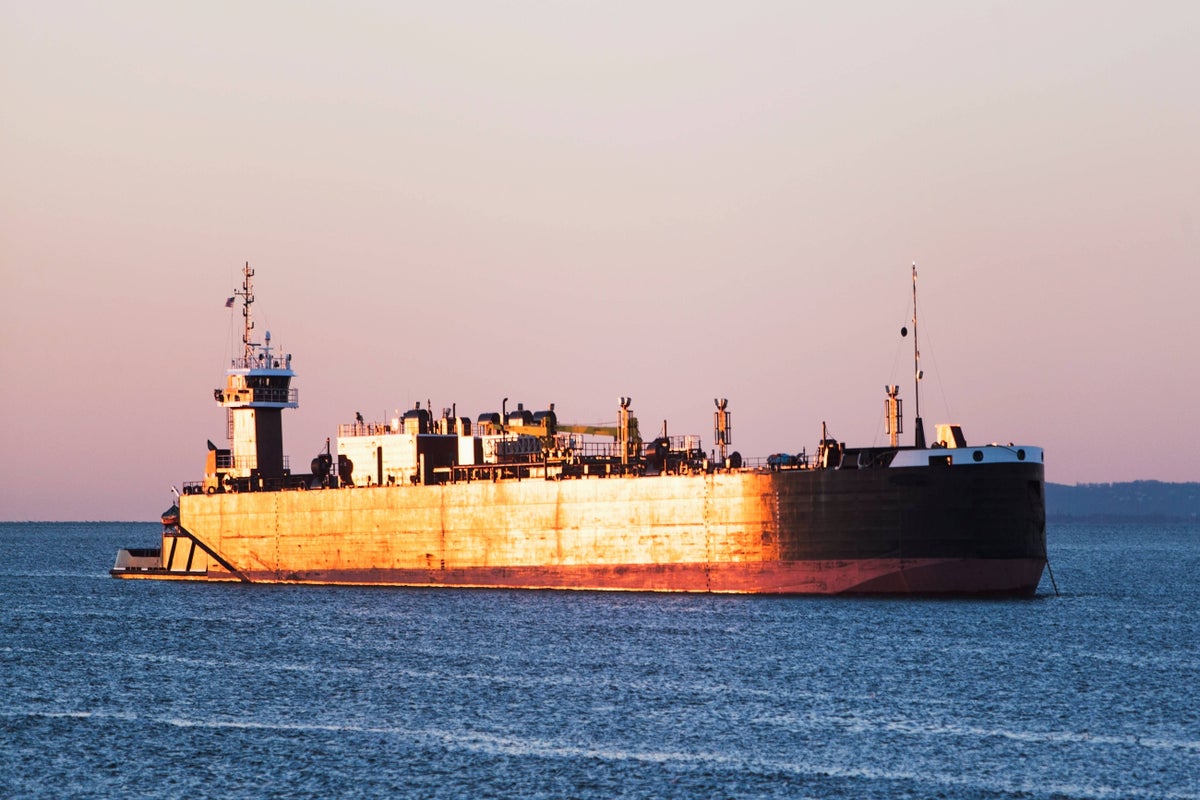 Prolonged Iran war could tip UK into recession next year, report warns
independent.co.uk
Prolonged Iran war could tip UK into recession next year, report warns
independent.co.uk
 standard.co.uk
A prolonged closure of the Strait of Hormuz could push the UK into recession in 2027, according to an EY economic outlook cited by the Independent and the Evening Standard. The report models UK GDP slowing to 0.5% growth in 2026 and contracting by 0.2% in 2027 if disruption persists into 2027. EY also warns inflation could rise to 6.4% by the end of 2026 under the same scenario.
Hormuz is a narrow chokepoint that normally carries roughly a fifth of the world’s oil and gas, and the report treats its closure as a direct channel from war to household budgets. Higher energy prices feed into transport costs, food distribution, and industrial inputs, then return as weaker consumer spending and delayed interest-rate relief. EY’s forecast cuts its expectation for UK business investment to a 0.7% decline in 2026, shifting from a prior view of flat investment, while projecting household spending growth of 0.3% in 2026 and 0.9% in 2027. Those numbers describe an economy that keeps moving but does not build much.
The interest-rate path in the report shows how quickly an external energy shock can dominate domestic monetary debate. EY expects rates to stay at 3.75% through 2026 and then fall twice in 2027 to end at 3.25%, but the Bank of England has signalled it is prepared to raise rates if the Iran conflict continues and inflation rises, according to the coverage. That is the squeeze households recognise: energy-driven price rises met by tighter credit, even when the source of the problem is far from UK demand.
EY’s base case assumes the strait reopens by the end of the third quarter of 2023, in which case it upgrades its UK growth forecast to 0.9% in 2026 and keeps 1.2% for 2027. The scenario gap is not a small forecasting tweak; it is the difference between muddling through and outright contraction. The report arrives as oil prices have risen above $100 a barrel for the first time in nearly four years, the Evening Standard notes, putting the energy channel into view before any modelled recession year.
The UK cannot reopen Hormuz, but it can decide how much of an energy shock is absorbed by competitive supply, and how much is mediated through regulated networks and policy promises that only work when fuel is cheap. EY’s recession case is built on a single physical fact: a strait that stays closed longer than planners assume.