
Reform UK pitches Operation Fortress to stop Channel crossings
Royal Navy interceptions and returns to France or Belgium would require emergency legislation, border policy recast as a military command problem
Images
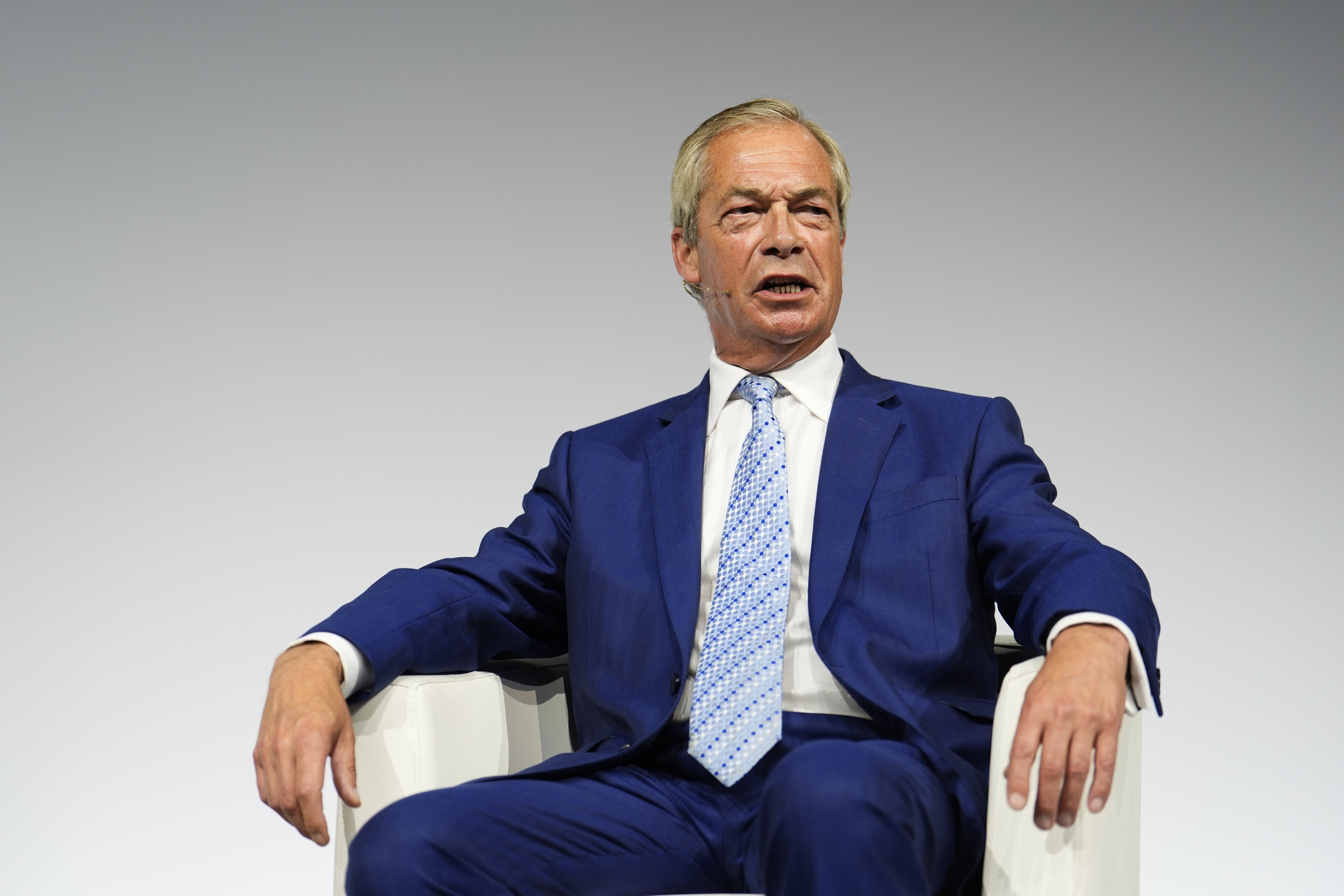 Reform UK leader Nigel Farage (Jordan Pettitt/PA) (PA Wire)
PA Wire
Reform UK leader Nigel Farage (Jordan Pettitt/PA) (PA Wire)
PA Wire
Reform UK proposes Royal Navy operation to turn back Channel boats, party pitches Operation Fortress as biggest military deployment since World War Two, emergency powers promised for a policy built on detentions and returns
Reform UK has unveiled a plan it calls “Operation Fortress”, promising what it describes as the largest military operation in the English Channel since the second world war to stop small-boat crossings from France, according to The Independent. Under a government led by Nigel Farage, the party says the Royal Navy would intercept all unauthorised vessels and return them to either France or Belgium.
The proposal turns a long-running policing and asylum question into a command-and-control problem. Reform says it would create a joint military command bringing together the Royal Navy, Royal Marines, RAF and British Army, alongside a dedicated surveillance command to track incoming boats. People intercepted at sea would be detained, given water, food and medical assessments, and then escorted back on navy vessels. The party says emergency legislation would be used “as necessary” to grant the joint command additional powers.
Reform frames the plan as both enforcement and rescue. The party points to deaths in the Channel — citing 162 fatalities between 2018 and 2025, according to the University of Oxford’s Migration Observatory — and argues that stopping crossings is a humanitarian response. But the mechanics described by the party depend on other states accepting returns and on legal and operational clarity over what happens once a vessel is stopped: who is detained, on what authority, and where responsibility sits if a return is refused.
The announcement also lands amid shifting numbers that allow rival narratives. The Independent reports that the Channel saw its busiest day of the year last Wednesday, with 752 arrivals, while the provisional year-to-date total stands at 14,526. The same report says that figure is down compared with the same point last year and also lower than the same period in 2024, giving opponents room to argue that existing measures are already reducing flows.
Labour dismissed the plan as “reheated” and said “anger and easy answers won’t bring crossings down”. A Labour spokesperson also claimed the government had stopped 46,000 attempted crossings and removed 70,000 people with no right to be in the UK — figures presented as proof that administrative enforcement, rather than naval escalation, is the lever that moves outcomes.
Reform’s language has been calibrated for a campaign season shaped by images from elsewhere. Home affairs spokesman Zia Yusuf described Britain as being “invaded” and attacked the use of hotels, while Reform cited the recent mass border breach in Spain’s Ceuta enclave as evidence of urgency. In that framing, the Channel becomes less a maritime boundary than a televised stress test of state capacity.
For now, Operation Fortress exists as a set of promised deployments and a pledge to legislate later. Its central claim is simple: that a navy can make the border “impenetrable” — and that the bill for doing so will be paid after the election.