
DR Congo Ebola outbreak becomes country’s largest on record
WHO cites accelerating spread across dozens of health zones, response depends on security and surveillance more than medicine
Images
 bnonews.com
 bnonews.com
 bnonews.com
 bnonews.com
 bnonews.com
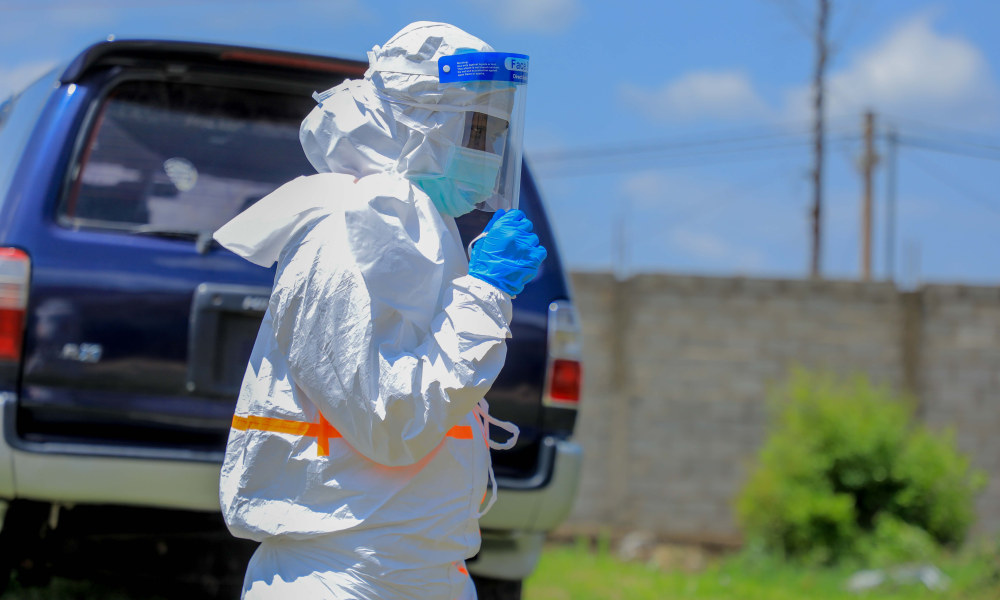
The Democratic Republic of the Congo’s current Ebola outbreak has become the country’s largest on record, with thousands of infections reported by the World Health Organization, according to BNO News. The outbreak began in the Mongbwalu health zone in Ituri Province and has spread across multiple provinces, with health workers among those infected.
The numbers matter because they describe a response system under strain rather than a single hotspot. WHO figures cited by BNO say transmission has accelerated, with new cases reported across dozens of health zones in the most recent reporting window. As the outbreak spreads geographically, the practical work multiplies: finding cases, tracing contacts, protecting clinics, and keeping staff in place in areas where insecurity and attacks on health facilities disrupt surveillance and restrict access.
WHO has warned that these disruptions raise the risk of undetected transmission. That warning is also an admission about the limits of international outbreak management when basic operating conditions fail—roads, security, staffing, and trust. BNO reports that the outbreak is caused by the Bundibugyo virus, and that there are no approved vaccines or specific treatments for Bundibugyo virus disease, leaving containment to public-health fundamentals rather than a pharmaceutical shortcut.
The outbreak’s cross-border footprint shows how quickly a local emergency becomes a regional problem. BNO reports cases outside the DRC, including in Uganda and in Europe, with some patients treated abroad, while Uganda has separately declared its own outbreak over after a period without new locally transmitted cases. The border remains porous to pathogens even when governments declare administrative endpoints.
WHO has called for a substantial expansion of response operations to bring the outbreak under control. The outbreak was declared in mid-May; by the time the case count surpassed previous records, the constraints described by WHO—attacks, restricted access, disrupted surveillance—were still part of the baseline.
In Ituri, where the outbreak began, the disease is still moving faster than the systems meant to measure it.