
Spain had intelligence warnings before Ceuta migrant surge
Euronews reports government delayed reinforcements as crossings hit historic scale, official praise for Moroccan cooperation collides with officers’ accounts
Images
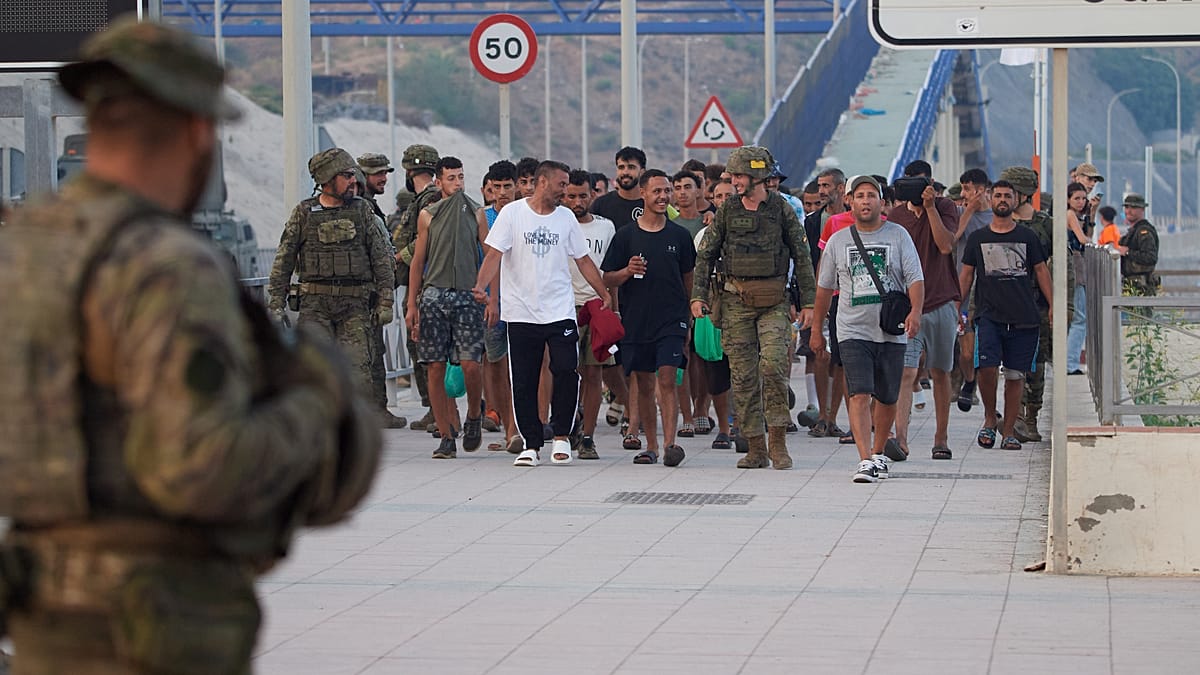 Spain received intelligence warnings before Ceuta migrant surge
euronews.com
Spain received intelligence warnings before Ceuta migrant surge
euronews.com
Between 60,000 and 75,000 migrants crossed into Ceuta from Morocco in a matter of days, according to Euronews, after Spanish intelligence services had circulated warnings that a mass arrival was being prepared. Prime Minister Pedro Sánchez called the episode a “violation of Spain’s territorial integrity” and blamed people-smuggling networks, while Spain’s Interior Ministry described cooperation with Morocco as “exemplary, loyal and permanent.”
The reporting describes a more complicated chain of events: intelligence alerts arrived over several days, including hours before the peak influx, and included specific signals such as buses transporting people from other parts of Morocco to the border area. Officers quoted by Euronews said the Moroccan gendarmerie did not intervene and watched “with their arms folded” as people swam around the breakwater, climbed fences and roofs, and pushed through the Tarajal crossing area. On the Spanish side, the Civil Guard and National Police were overwhelmed, with resources diverted to assisting injured migrants rather than stopping the crossings.
The scale of the episode matters because Ceuta is not just a border town but a test case for how EU territory is defended when pressure arrives suddenly and in large numbers. Euronews reports that military units in Ceuta and nearby Melilla were on standby, yet sources criticised Madrid for not deploying the army immediately. Instead, the Interior Ministry reinforced border security as sea arrivals increased with about thirty additional officers and a boat that later broke down, before ordering broader reinforcements late on Thursday and calling in the army only after the delay.
The build-up also appears to have been visible in the numbers. Nearly 1,000 people swam into Ceuta over roughly ten days before the mass crossing, and intelligence officials reportedly viewed those swims as a test by Moroccan authorities—an assessment communicated to the Spanish government. Euronews adds that the trend had been rising for weeks, partly linked to a Spanish Supreme Court ruling that prohibits the immediate return of migrants who swim to Spanish territory, raising the operational and legal cost of rapid pushbacks and shifting pressure onto policing and emergency services.
After the crossing, Spain’s Interior Ministry said around 53,000 people returned to Morocco in the following days. The immediate crisis passed, but the episode left two official narratives sitting side by side: advance warnings that were not matched by early deployment, and public statements describing border cooperation as swift and consistent “from the beginning.”
In Ceuta, Euronews reports, the reinforcements arrived after the border was already overwhelmed, and the army was called in after days of intelligence alerts had circulated.