
Trump pauses planned Iran strikes
Saudi crown prince warns escalation risks Gulf energy infrastructure, conditional restraint replaces weekend attack talk
Images
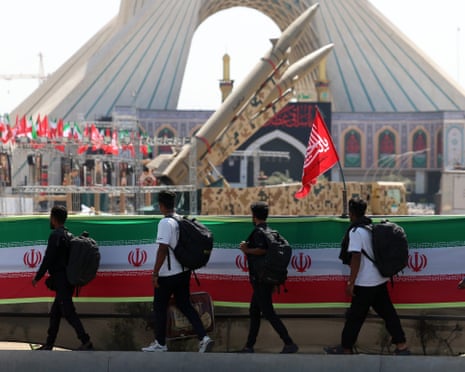 Iranian missiles on display at the Azadi square in Tehran. Iran warned this weekend against any ‘adventurous action’ by the US. Photograph: Abedin Taherkenareh/EPA
theguardian.com
Iranian missiles on display at the Azadi square in Tehran. Iran warned this weekend against any ‘adventurous action’ by the US. Photograph: Abedin Taherkenareh/EPA
theguardian.com
 Getty
Getty
 independent.co.uk
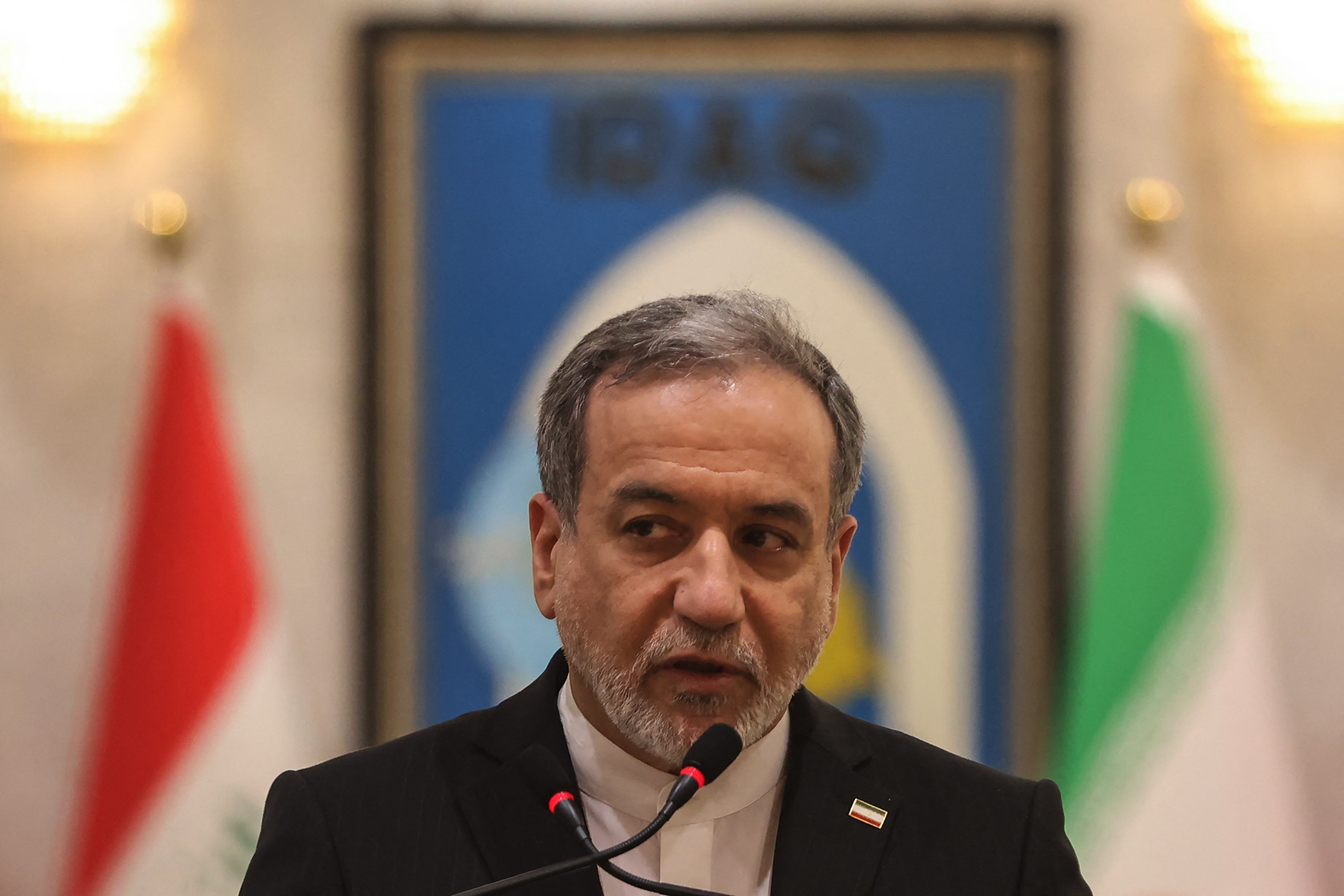 Iranian Foreign Minister Abbas Araghchi (AFP/Getty)
AFP/Getty
Iranian Foreign Minister Abbas Araghchi (AFP/Getty)
AFP/Getty
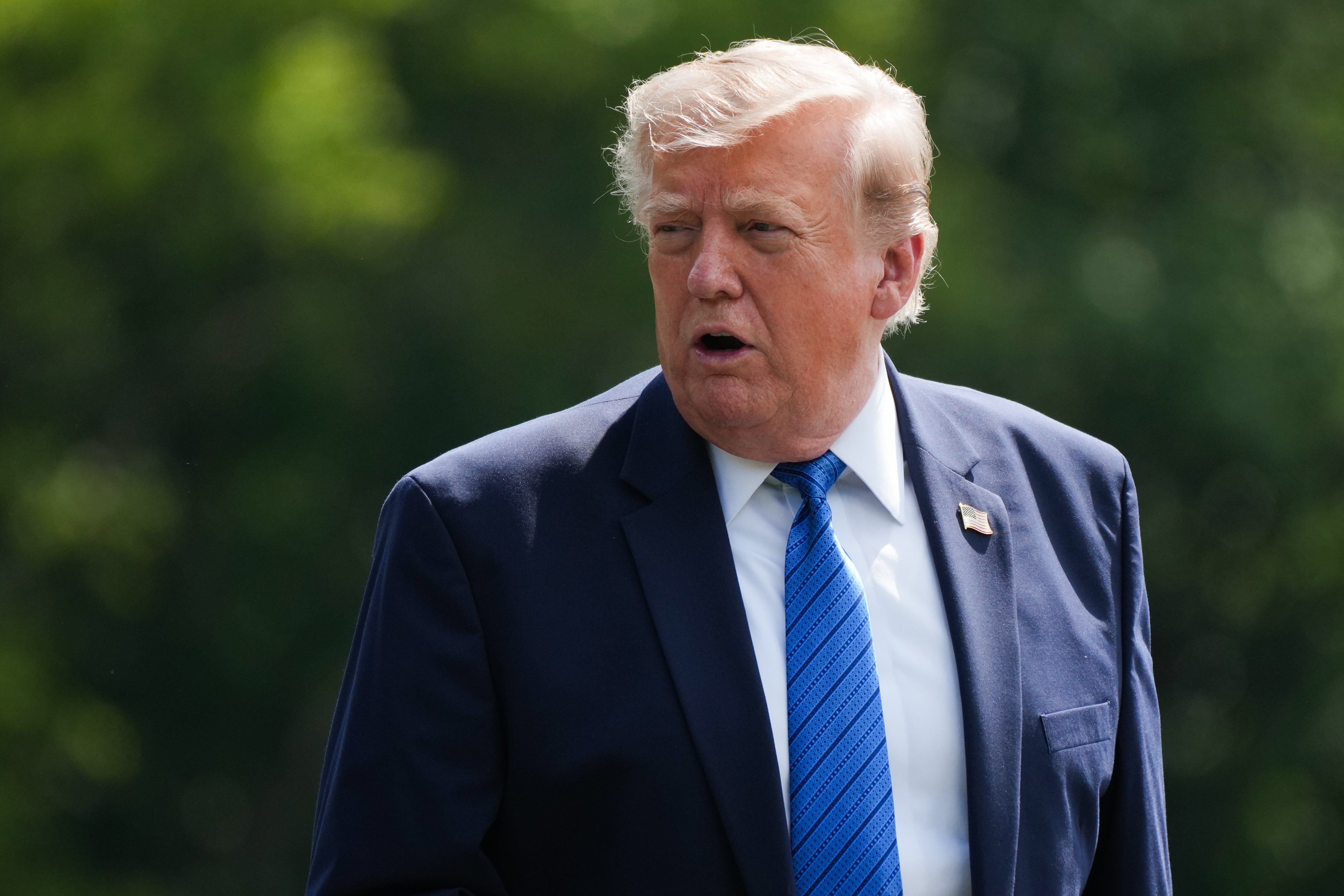
Donald Trump said he had ordered US forces to hold off on a threatened new round of strikes on Iran, after telling a cabinet meeting a day earlier that attacks could begin as soon as the weekend. According to The Guardian, the shift came after a phone call from Saudi Crown Prince Mohammed bin Salman, who raised concerns about escalation and the risk of Iranian retaliation against Gulf energy infrastructure.
The pause is being framed as conditional. Trump said the US would refrain from striking provided a deal to end the months-long conflict is reached quickly, while Iran’s foreign minister Abbas Araghchi warned regional counterparts that any “adventurous action” by the US or Israel would be met with a decisive and proportional response, the Independent reports. The Guardian also cited Iranian-linked Nournews saying attacks on Iranian energy infrastructure would prompt strikes on oilfields in Saudi Arabia and the UAE, and on gasfields in Qatar and Israel—an explicit attempt to turn a US-Israel campaign into a regional cost-sharing problem.
The episode underlines how quickly military planning runs into the interests of the states expected to absorb the blowback. Saudi Arabia joined the US earlier in the week in striking logistics and weapons sites used by Iranian-backed militias in Iraq, according to The Guardian, but then sought clarity on what further action Trump was considering. That combination—participating in limited operations while lobbying against broader escalation—reflects a narrow definition of acceptable risk when oil facilities, shipping routes and domestic stability are on the line.
It also highlights the fragile status of the maritime chokepoints the war keeps circling. The Guardian reported two maritime incidents off Oman, including a tanker struck by an unknown projectile that damaged its engine room. Kuwait’s army said it destroyed hostile drones launched by Iran and that falling shrapnel caused material damage but no casualties. Each incident adds pressure on governments to show control—yet the tools available are often reactive: air defences, escorts, and public warnings rather than durable guarantees.
Trump’s public messaging has oscillated between maximal threats and abrupt restraint. The Independent reported that he posted the US was “locked and loaded” while also saying Middle East countries asked him to hold off because the “perimeters of a deal” had been agreed. Iran did not immediately comment on Trump’s announcement, and Israel’s position was described through Trump’s statements rather than an official Israeli declaration.
For now, the most concrete change is procedural rather than diplomatic: strikes that were being discussed for the weekend are not happening. The terms of the promised deal remain undefined, but the Gulf states’ fear of what comes after a hit on energy infrastructure has already shaped the timetable.