
Old Trails Fire near Spokane forces thousands to evacuate
Wind-driven blaze jumps Spokane River with zero containment reported, power shutoffs and shelters show how quickly fire becomes infrastructure crisis
Images
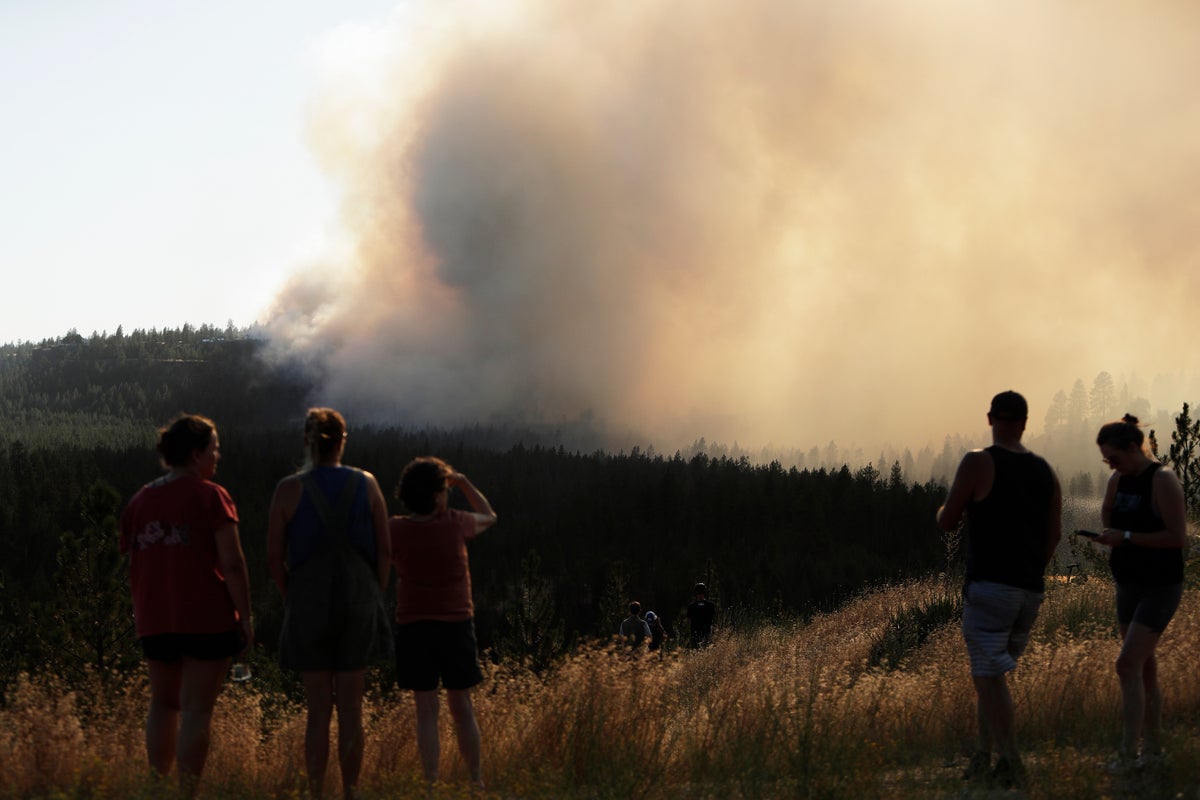 Wind-driven wildfire prompts evacuations in eastern Washington
independent.co.uk
Wind-driven wildfire prompts evacuations in eastern Washington
independent.co.uk
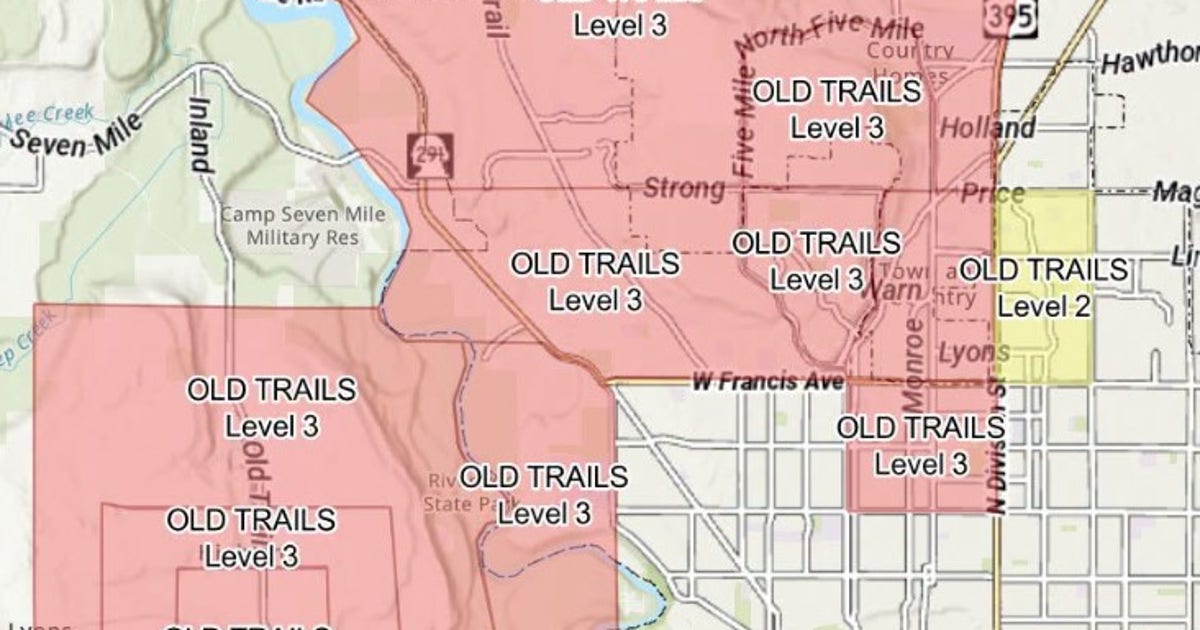 Wildfire burning in Spokane, WA prompts evacuation orders
fox13seattle.com
Wildfire burning in Spokane, WA prompts evacuation orders
fox13seattle.com
A fast-moving wildfire near Spokane in Washington state forced the evacuation of thousands of people on Saturday as strong winds and high temperatures pushed flames toward residential areas, according to AP reporting carried by The Independent. The blaze—known as the Old Trails Fire—started around noon, burned through brush and grass, and later jumped the Spokane River. By evening, officials said firefighters had achieved zero containment, and they did not yet have a solid count of damaged or destroyed structures.
The fire unfolded under the kind of weather conditions that turn routine ignition sources into regional emergencies. The National Weather Service issued a “particularly dangerous situation” red-flag alert for eastern Washington, while the Washington State Department of Natural Resources urged residents to follow evacuation orders and stay alert to shifting conditions. Cars lined roads as people fled, with smoke visible across the area. The cause of the fire was still under investigation.
Local authorities layered in the familiar escalation ladder of modern wildfire response. Spokane County emergency officials issued Level 3 “Leave NOW!” orders as conditions changed, expanding evacuation zones through the afternoon, Fox 13 Seattle reported. An evacuation shelter was opened at Spokane Falls Community College, and officials directed drivers to avoid entering the evacuation zone while leaving—an admission that road capacity and traffic discipline can be as decisive as hoses and aircraft when neighborhoods empty at once.
The economic knock-on effects arrived immediately. Avista, the regional power company, implemented public safety shutoffs due to elevated fire risk, a tool utilities have increasingly used to reduce the chance that electrical equipment sparks new fires. For residents, that means evacuation can coincide with sudden loss of power and communications, complicating everything from medical equipment to the ability to receive updated alerts. For utilities, shutoffs shift part of the wildfire cost from burned terrain to disrupted commerce and household routines.
Governor Bob Ferguson declared a state of emergency, tying the Old Trails Fire to a wider pattern of unusually high temperatures and high winds driving record wildfire activity across Washington. Emergency declarations can unlock resources, but they also formalize an expectation: that fires now arrive as repeat budget items, not rare shocks. The first responders still fight each blaze one ridge and one street at a time, but the planning horizon stretches into insurance markets, grid management, and the politics of who pays for prevention.
By Saturday night, the fire area remained active and evacuation boundaries were still shifting. Officials said the tally of lost structures would come only after crews could safely move back through the affected neighborhoods.