
Explosion kills at least three in central Moscow
Tass cites Interior Ministry as police work the scene, wartime normality breaks down in the capital too
Images
 Sofia: ‘When the girls came back, their clothes were torn ... If you said anything, they might kill you’ (Cinessaince)
Cinessaince
Sofia: ‘When the girls came back, their clothes were torn ... If you said anything, they might kill you’ (Cinessaince)
Cinessaince
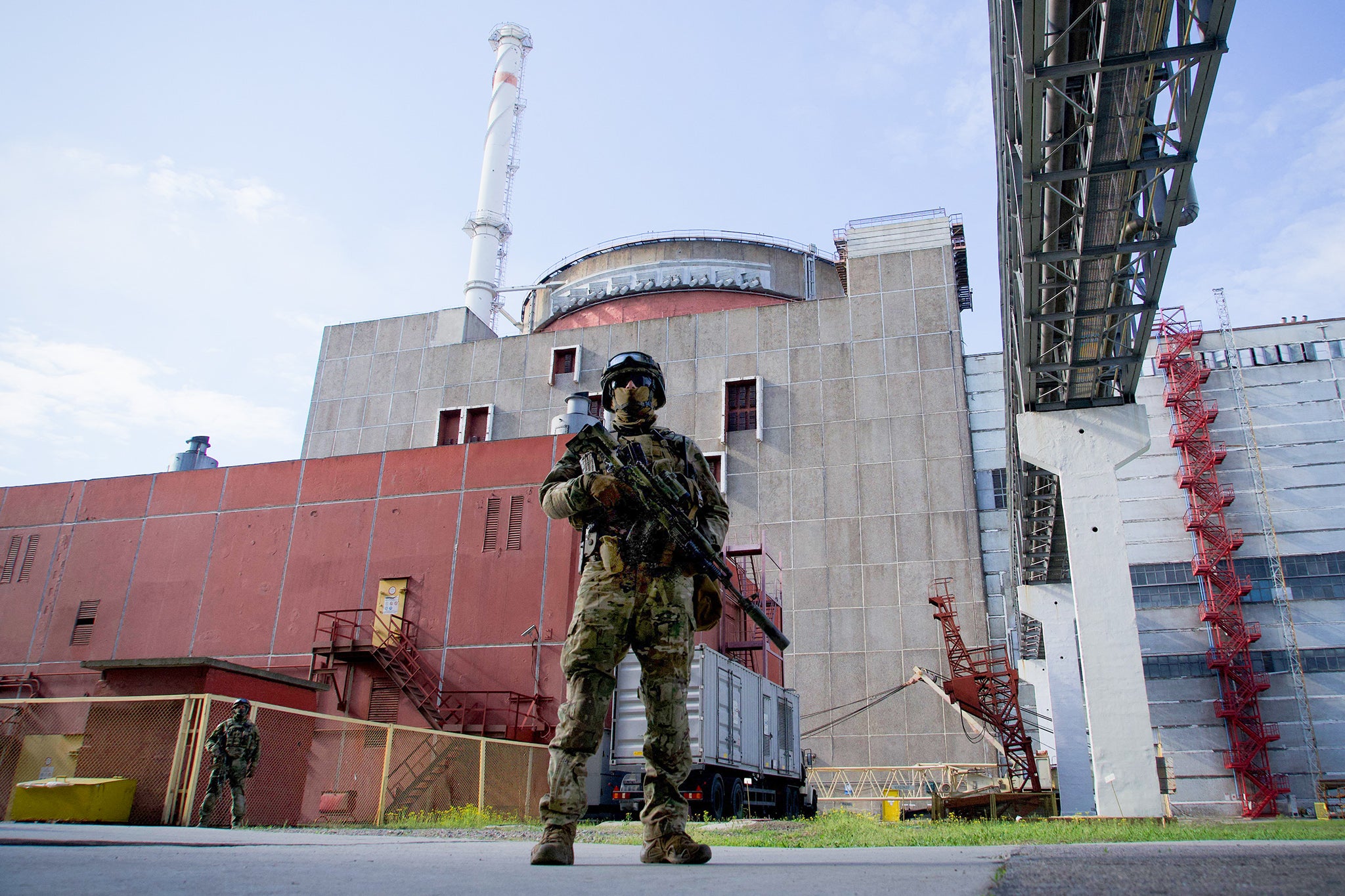 The power plant is occupied by Russian forces (AFP/Getty)
AFP/Getty
The power plant is occupied by Russian forces (AFP/Getty)
AFP/Getty
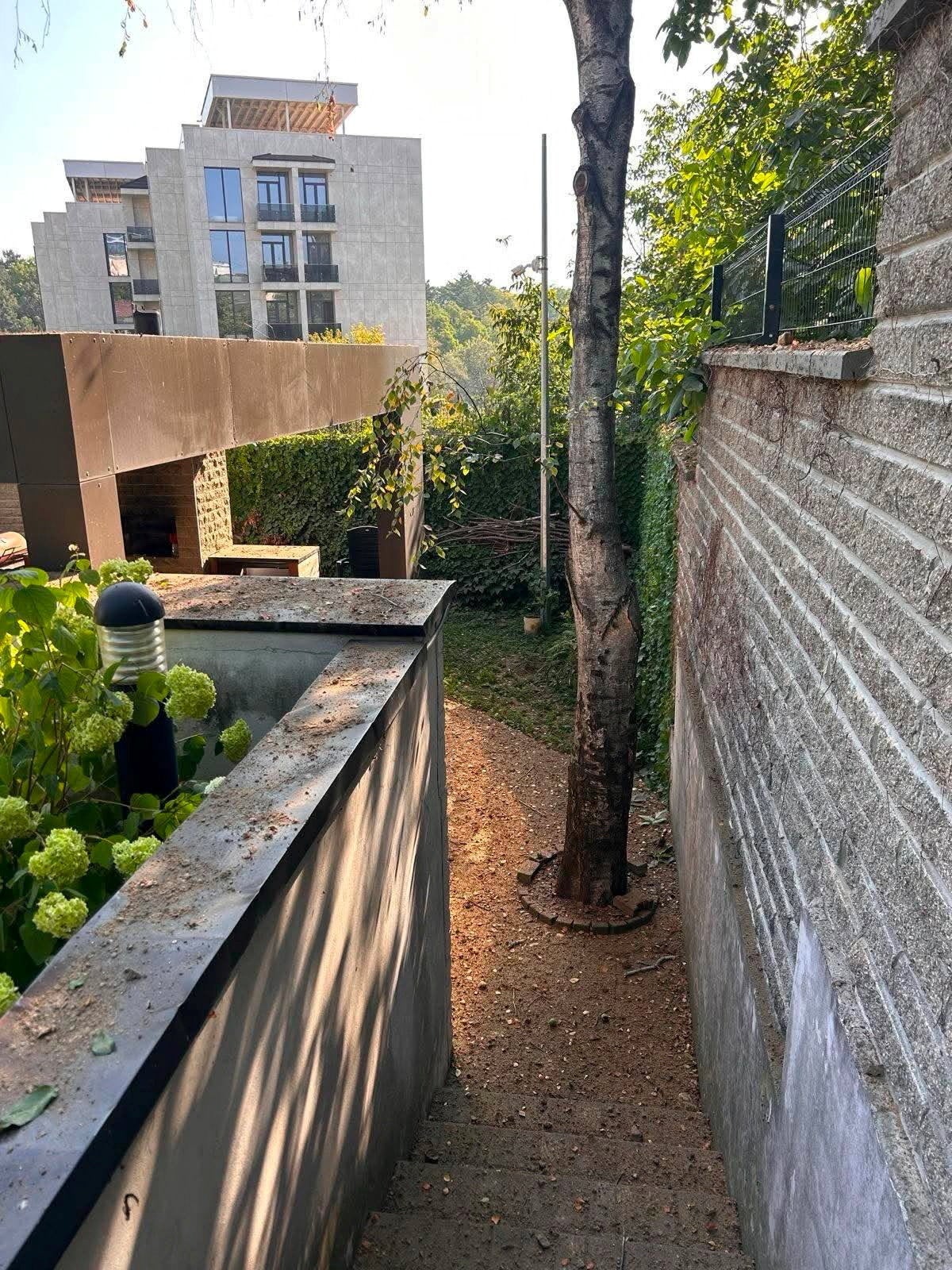 The inside yard of a damaged building that houses the Embassy of the Republic of Lithuania in Ukraine, after a Russian missile strike (Reuters)
Reuters
The inside yard of a damaged building that houses the Embassy of the Republic of Lithuania in Ukraine, after a Russian missile strike (Reuters)
Reuters
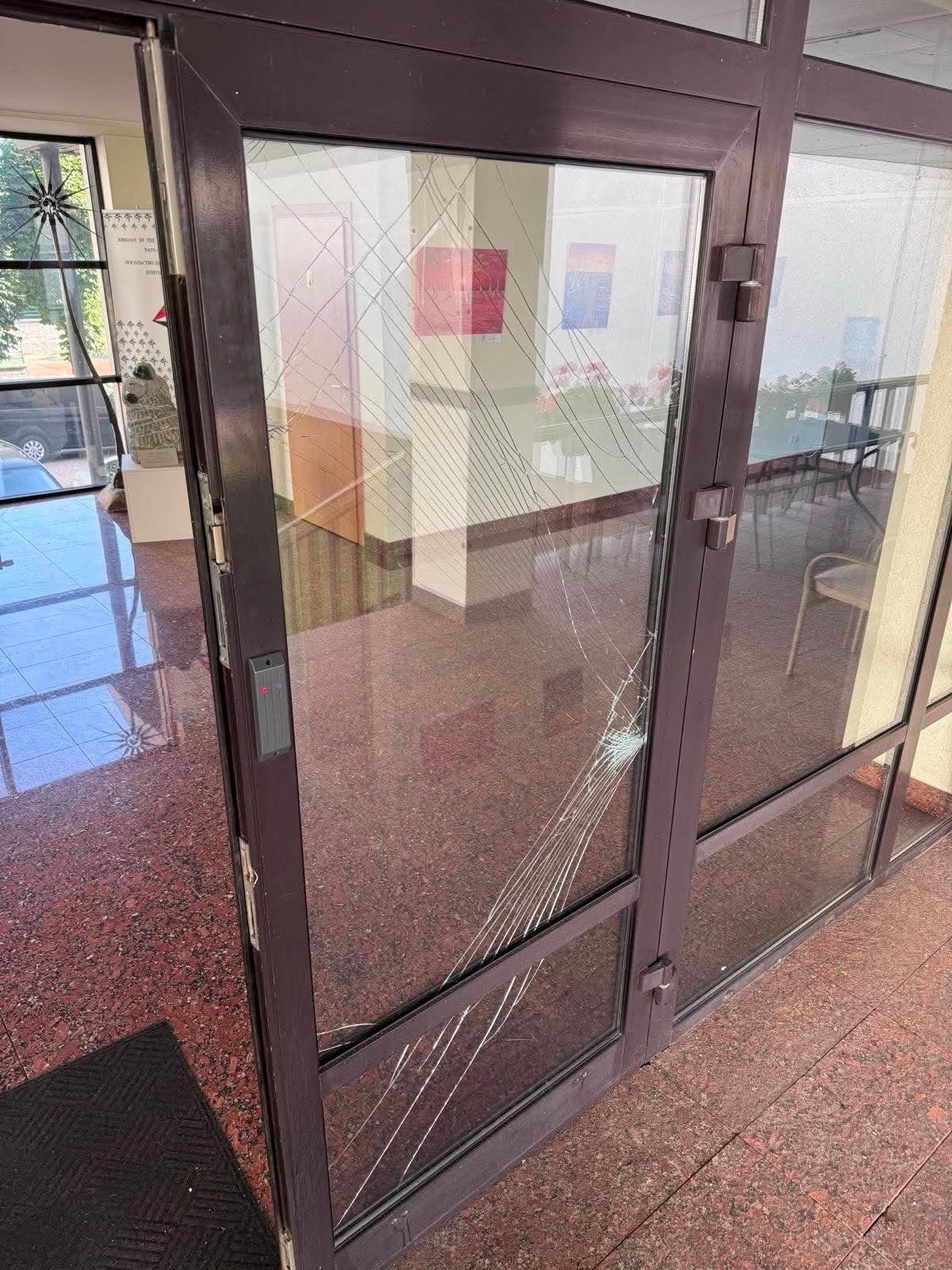 The interior of a damaged building that houses the Embassy of the Republic of Lithuania in Ukraine, after a Russian missile strike, amid Russia's attack on Ukraine, in Kyiv, Ukraine, (Reuters)
Reuters
The interior of a damaged building that houses the Embassy of the Republic of Lithuania in Ukraine, after a Russian missile strike, amid Russia's attack on Ukraine, in Kyiv, Ukraine, (Reuters)
Reuters
At least three people were killed and 15 injured in an explosion near a cafe in central Moscow on Friday evening, according to Russia’s Tass news agency citing an Interior Ministry official. The Interior Ministry’s Moscow branch was working at the site, The Independent reported in its live coverage of the Ukraine war. The cause was not established in the reports cited.
The blast lands in a capital that has spent years advertising normality while running a full-scale war next door. Russia’s internal security apparatus has expanded in budget, authority and public presence since the invasion of Ukraine, yet high-profile incidents still force authorities into the same routine: cordons, investigators, and short official lines that leave the public to fill gaps with rumour. In wartime, that information vacuum is not a side effect; it is a tool, and it also becomes a liability when citizens can see the disruption but not the explanation.
The timing also underlines the two-track nature of the conflict. On the same day as the Moscow explosion, Ukraine’s president Volodymyr Zelensky said Ukraine had struck three Russian oil refineries deep inside Russia, describing them as facilities sustaining the war effort. Russia, meanwhile, launched ballistic missile attacks on Kyiv earlier that day, killing at least 10 people and injuring 28, in what The Independent described as the second intense barrage in a week. Each side is trying to impose costs on the other’s rear areas, but only one of them can control the domestic narrative inside Russia.
For the Kremlin, incidents in Moscow are politically expensive even when the material damage is limited. The state’s pitch to the public rests on a promise that the war is distant and manageable: mobilisation can be partial, sanctions can be absorbed, and everyday life can continue. A deadly explosion in the centre of the capital punctures that promise in a way battlefield maps do not. It also creates pressure for visible responses—tightened security, arrests, new restrictions—because the easiest output for a security state is more security.
The reports offered no official account of what caused the explosion. What is clear is that, as strikes and sabotage claims proliferate across the region, the line between the front and the capital keeps thinning.
Tass reported the blast at about 8:10 p.m. local time, and Moscow police were still working at the scene as the night’s war news continued to update elsewhere.