
Iraq and Turkey sign one-year pipeline deal
Ceyhan route offers alternative to Hormuz shipping, export security shifts from sea lanes to contract disputes
Images
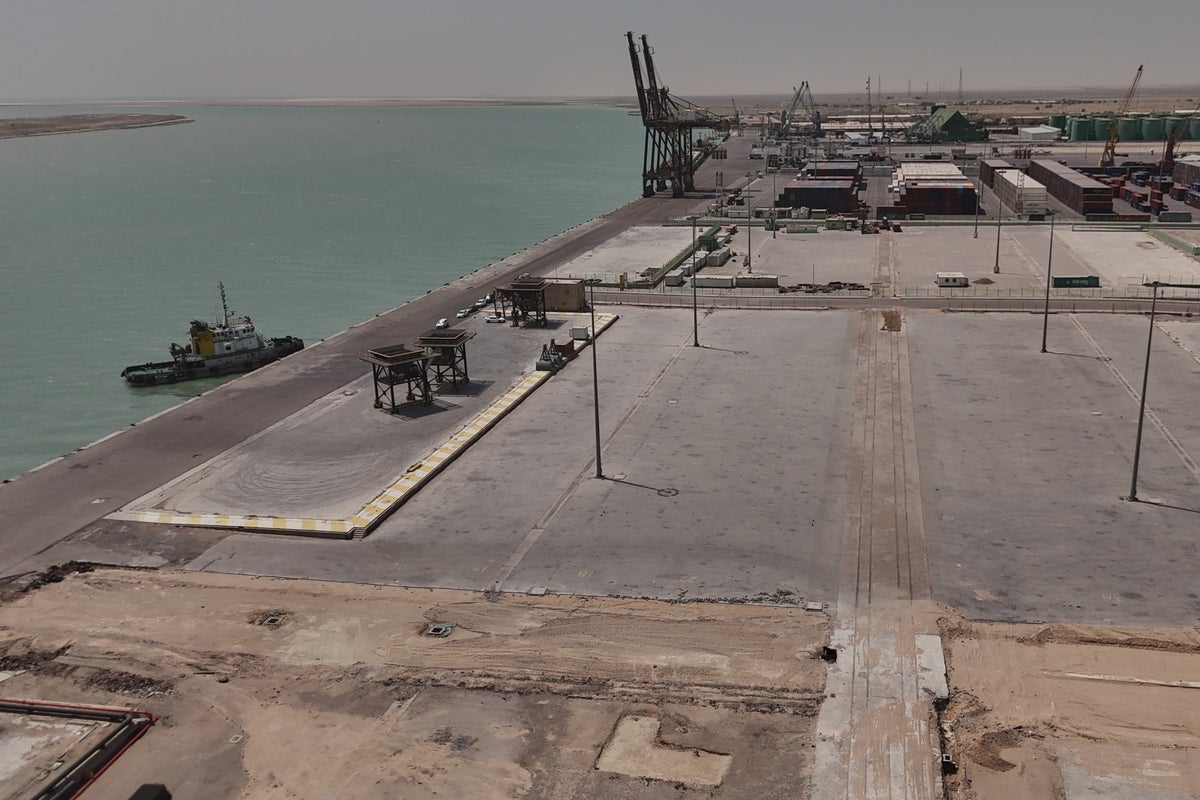 Iraq and Turkey strike a 1-year oil pipeline deal to boost exports during ongoing Hormuz closures
independent.co.uk
Iraq and Turkey strike a 1-year oil pipeline deal to boost exports during ongoing Hormuz closures
independent.co.uk
Iraq and Turkey have signed a one-year agreement to increase oil exports through the pipeline running from northern Iraq to the Turkish Mediterranean port of Ceyhan, according to reporting by the Associated Press carried by The Independent. Iraq’s oil minister, Bassem Mohammed Khudair al-Abadi, said the deal will remain in effect for a year while the two countries work toward a broader framework covering cooperation in oil, electricity and water resources.
The timing is the point. Since the US–Iran war began earlier this year, shipping through the Strait of Hormuz has been disrupted, pushing producers and governments to look for routes that do not depend on Gulf terminals and a single maritime chokepoint. Iraq’s export system was built around southern terminals, and AP described prewar exports of around 3.5 million barrels per day, mostly shipped via Hormuz. A pipeline to Ceyhan does not replace that capacity, but it converts a security problem at sea into a set of commercial, legal and physical constraints on land.
Under the new agreement, al-Abadi said the pipeline will carry a minimum of 750,000 barrels per day of Iraqi crude. AP reported that this would be an increase from current flows of around 200,000 barrels per day. For Baghdad, the attraction is diversification: fewer tankers waiting on a threatened strait, and more barrels moving through infrastructure that can be guarded, taxed and negotiated over.
But the same land route has its own history of stoppages. The Iraq–Turkey pipeline has been largely idle since 2023 after exports from Iraq’s semiautonomous Kurdish region were halted amid legal and commercial disputes, AP noted, with only limited resumption last year. A one-year deal signals urgency—get volumes moving now—while postponing the harder questions about revenue-sharing, arbitration, and who controls the valves when politics turns.
Prime Minister Ali al-Zaidi called the deal a strategic milestone for uninterrupted exports, and it comes days after he visited Ankara for talks spanning security, trade, energy, transportation, water management and infrastructure. One project under consideration, AP reported, is an additional pipeline link from Basra through western Iraq toward Ceyhan and onward to Syria’s coast—an outline of a map drawn by chokepoints.
Iraq’s government revenue depends overwhelmingly on oil. When tankers cannot sail, pipelines become foreign policy.