
Nirmal Purja dies in Broad Peak avalanche
Pakistan rescue operation repeatedly suspended by weather, drones spot bodies while helicopters wait for flying windows
Images
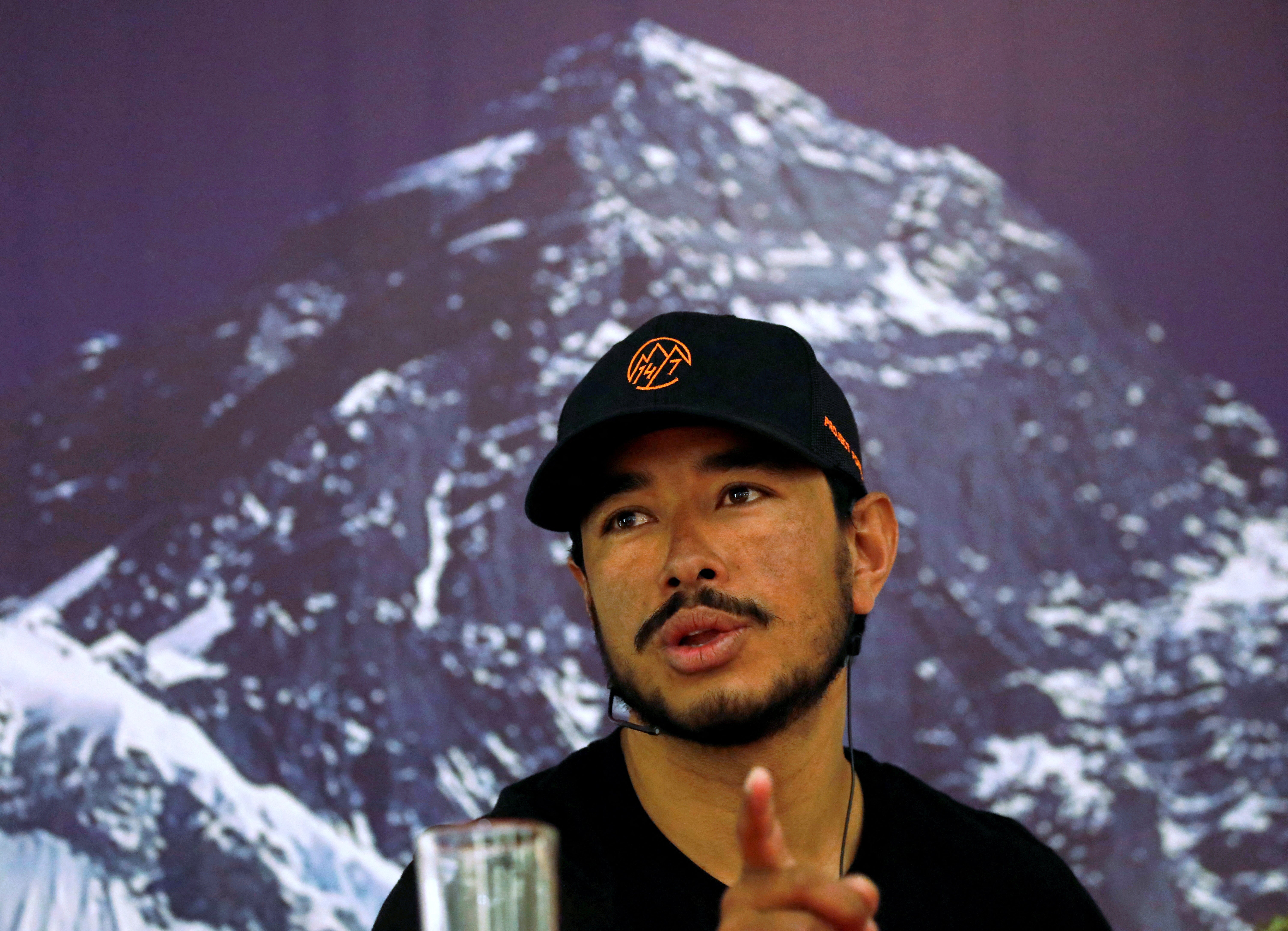 File. Nirmal Purja (Reuters)
Reuters
File. Nirmal Purja (Reuters)
Reuters
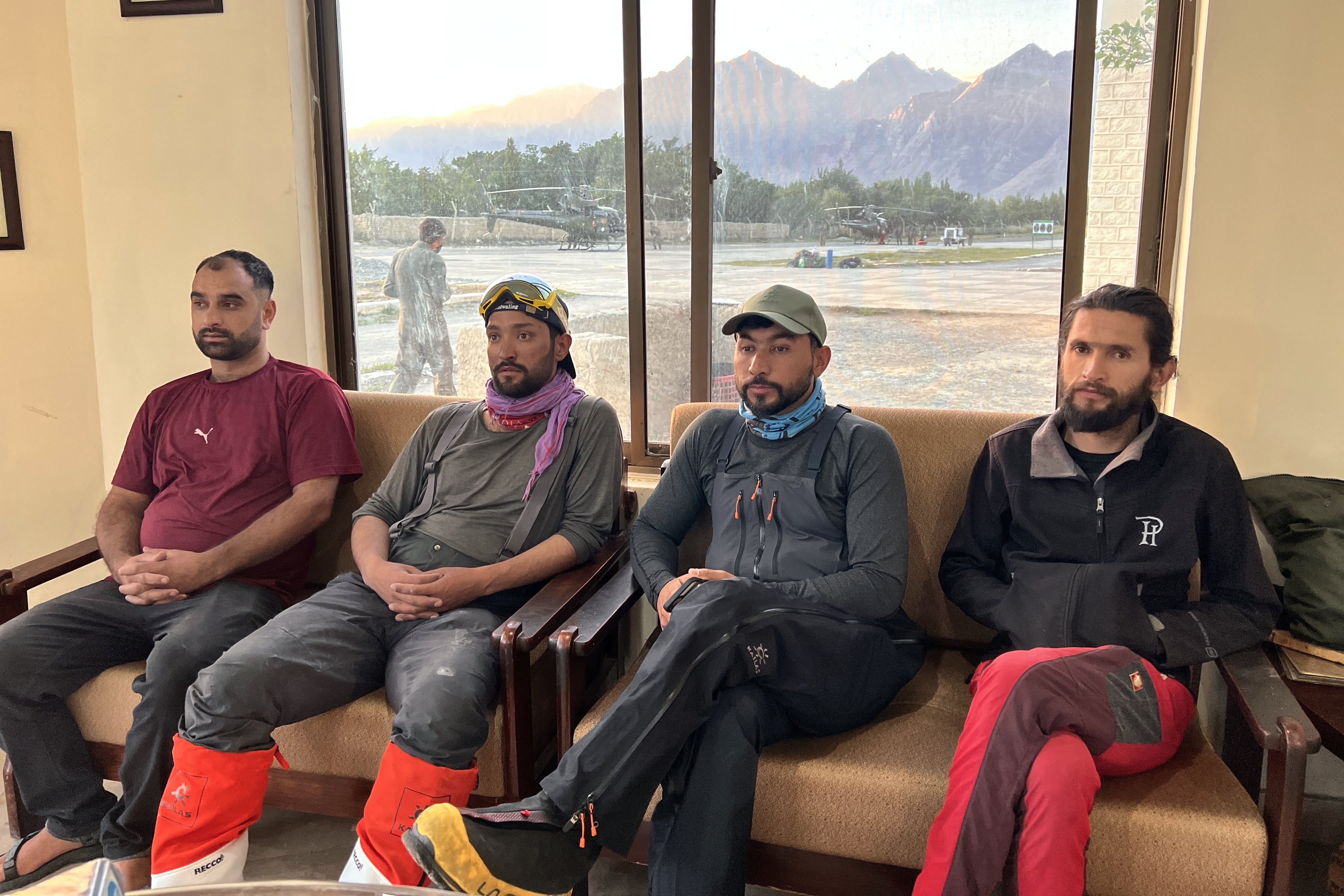 In this photo released by the Alpine Club of Pakistan on Friday, members of a mountaineers rescue team prepare to depart from an airbase on a search operation for climbers missing after an avalanche on Pakistan's Broad Peak (AP)
independent.co.uk
In this photo released by the Alpine Club of Pakistan on Friday, members of a mountaineers rescue team prepare to depart from an airbase on a search operation for climbers missing after an avalanche on Pakistan's Broad Peak (AP)
independent.co.uk
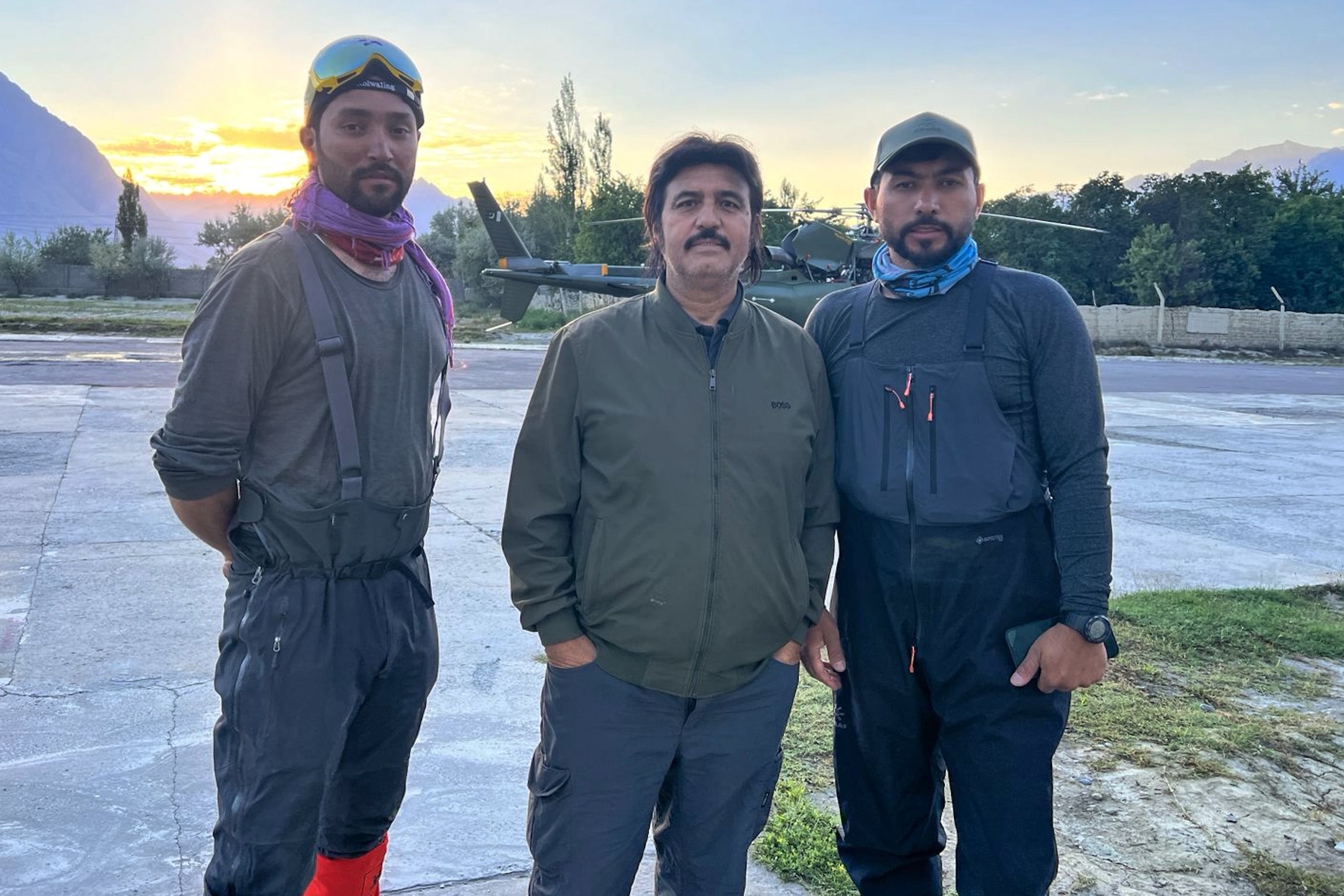 Members of a mountaineers rescue team pose for photo with honorary general secretary of Alpine Club of Pakistan Ayaz Ahmed Shigri, center, before departing from an airbase on a search operation for climbers missing after an avalanche on Pakistan's Broad Peak, in Skardu (AP)
independent.co.uk
Members of a mountaineers rescue team pose for photo with honorary general secretary of Alpine Club of Pakistan Ayaz Ahmed Shigri, center, before departing from an airbase on a search operation for climbers missing after an avalanche on Pakistan's Broad Peak, in Skardu (AP)
independent.co.uk
Nirmal Purja, the Nepal-born British mountaineer who became a global name through high-altitude speed records and a Netflix documentary, has died in an avalanche on Pakistan’s Broad Peak, according to his expedition company and local officials. The avalanche hit a 10-person team as it climbed between higher camps on the mountain, in the far northern Gilgit-Baltistan region. Authorities in the region said three members of the expedition had been confirmed dead after bodies or partial remains were recovered, while drone footage suggested more victims in the search area.
Broad Peak sits in the Karakoram near the border with China and is one of Pakistan’s 8,000-metre peaks that draw international climbers each season. But the same geography that sells the dream also prices in the risk: the route is remote, the weather can shut down aircraft, and rescue teams can be pinned at base camp for days. In this case, officials said a formal request was made for Pakistan army support and helicopters were deployed, yet the operation was repeatedly suspended because conditions made flying and ground movement unsafe.
The gap between what modern expeditions market and what the mountains allow becomes obvious when a disaster occurs. Drones can spot bodies from above, but recovery still depends on brief windows of visibility and pilots willing to fly into thin air and unstable weather. Local institutions also end up carrying the logistical burden: the regional information department and police provided updates, hospitals handled identification formalities, and a mountaineers’ rescue team was dispatched from an airbase—steps that are routine on paper and fragile in practice.
The incident also underlines how international the commercial climbing scene has become. Regional officials identified victims from the United States, Oman and Nepal, alongside Purja himself. Social media and documentary fame have turned elite mountaineers into public figures, and expeditions into branded products, but the outcome when things go wrong is still handled through helicopter manifests, legal identification procedures and weather reports.
By Friday night, police in Gilgit-Baltistan had again suspended the rescue effort because of bad weather. The search was expected to resume when conditions allowed, with additional Sherpas from other expeditions set to join the operation.