
Modern human DNA points to two unknown ancestors
UC Berkeley-led study infers ghost and super-archaic lineages without fossils, about 1% ancestry sits beside the familiar Neanderthal fraction
Images
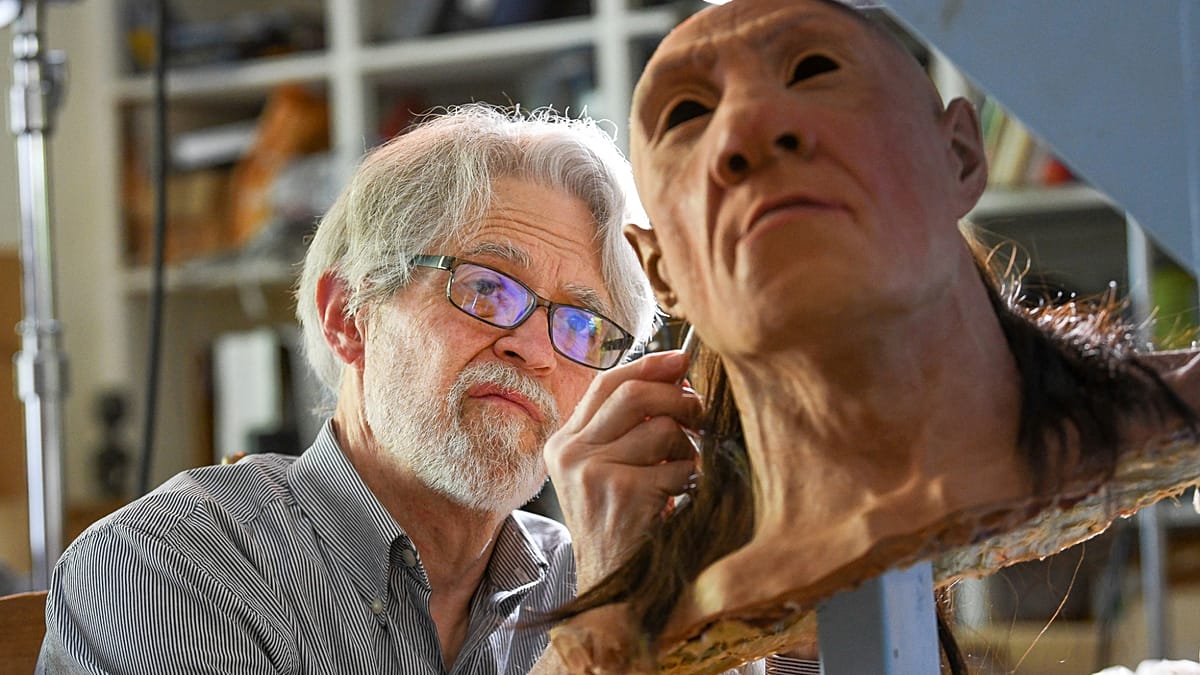 Mysterious DNA: two unknown ancestors found in human genome
euronews.com
Mysterious DNA: two unknown ancestors found in human genome
euronews.com
Stretches of DNA in modern human genomes appear to come from at least two previously unknown ancestral groups, according to a report by Euronews citing research led from the University of California, Berkeley. The study argues that one “ghost” lineage contributed roughly 1% of the DNA carried by all living humans, while a second, much older “super-archaic” lineage entered the modern genome indirectly via Denisovans.
The finding builds on two decades of ancient-DNA work that has already turned human origins into a story of repeated contact rather than clean separation. Neanderthal and Denisovan ancestry is now routinely detected in present-day genomes, with people outside Africa typically carrying about 1–2% Neanderthal DNA from interbreeding tens of thousands of years ago. What is different here is that the newly inferred lineages have no identified fossils and no sequenced ancient genomes to compare against, leaving researchers to reconstruct them from statistical patterns in living people’s DNA.
According to Euronews, the first unknown ancestor appears to have split from the evolutionary line leading to modern humans around 800,000 years ago—roughly the era when Neanderthals and Denisovans diverged from each other. The study places the interbreeding event in Africa more than 50,000 years ago, before the last major dispersal of Homo sapiens into Europe and Asia. Because the genetic fragments are reported to be present in all living humans, the mixing would have had to occur early enough to be carried through later migrations rather than remaining confined to one region.
The second contributor is described as “super-archaic”: a lineage branching off around 1.8 million years ago, far earlier than the splits typically discussed in popular accounts of human evolution. The study’s proposed pathway is indirect. More than 200,000 years ago, this super-archaic group likely interbred in Eurasia with Denisovans, and fragments of that older DNA later reached Homo sapiens through Denisovan admixture. Arjun Biddanda, a Johns Hopkins University postdoctoral researcher named by Euronews as a co-lead author, framed this as evidence that very deep hominin diversity persisted long enough to leave traces in genomes today.
Priya Moorjani, a UC Berkeley professor quoted by Euronews, described human evolution as a network shaped by repeated migrations and mixing rather than a simple branching tree. That description fits the practical consequence of the work: as more ancestry components are inferred, the “baseline” model of who met whom, and when, becomes harder to anchor to a short list of named species. The study also underscores a constraint of current methods: genomes can reveal that something happened, and roughly when, without revealing what the population looked like, where exactly it lived, or what it would be called in the fossil record.
The headline number is small—about 1%—but it is the same order of magnitude as Neanderthal ancestry that has already reshaped how museums, textbooks, and ancestry testing companies describe human origins. Here, the difference is that the contributors are defined by missing evidence: lineages detected in everyone’s DNA, but not yet found in a bone.